

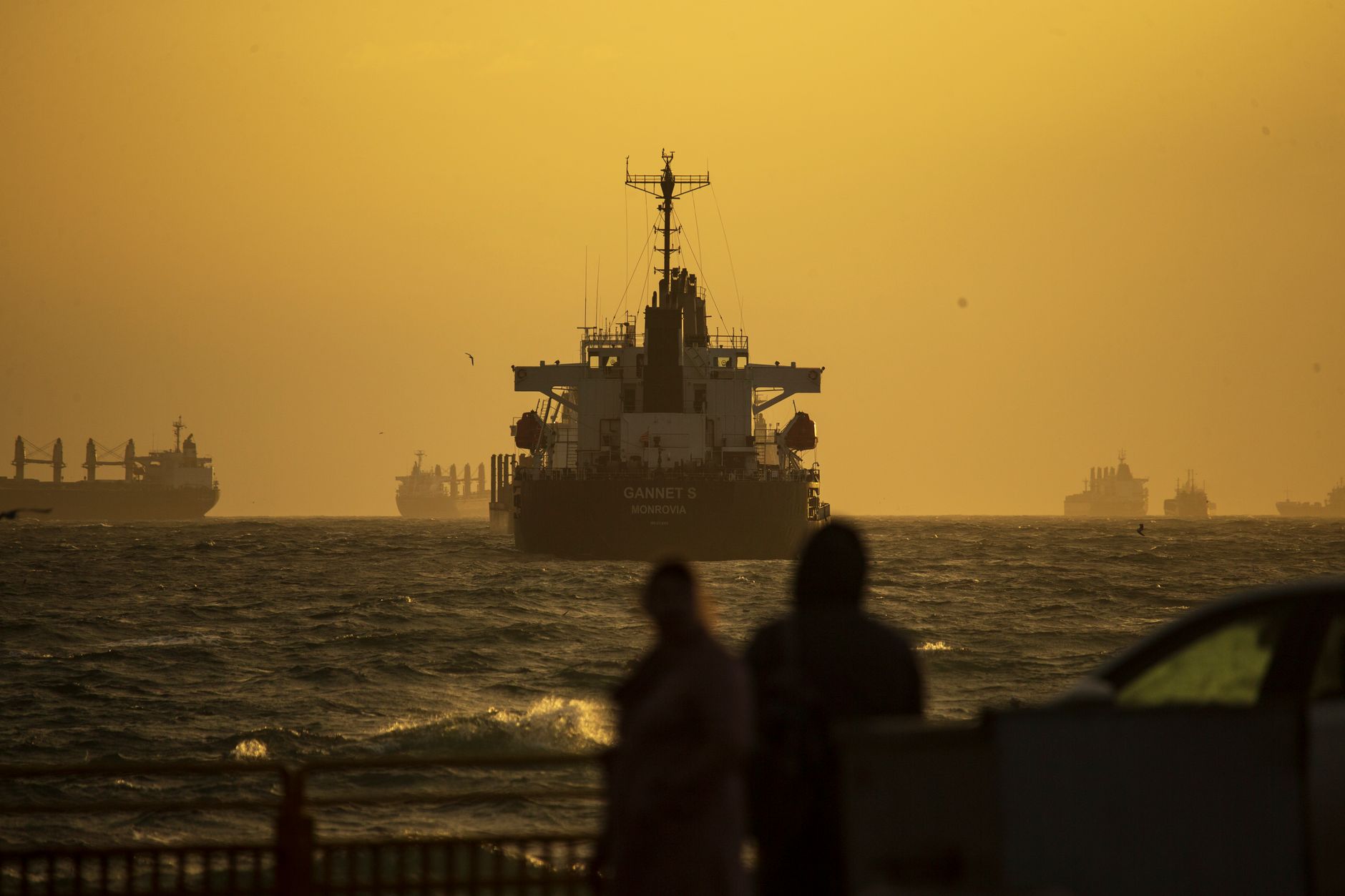
STRAIT OF HORMUZ — Iran attacked three ships transiting the Strait of Hormuz with missiles on July 11, 2026, prompting the United States to bomb more than 80 targets inside Iran and declare an end to the ceasefire between the two countries. The strikes and retaliatory attacks mark a sharp escalation in a conflict that has shifted from Iran’s nuclear program to its control over one of the world’s most critical maritime chokepoints.
The three targeted vessels were traveling through a corridor near the coast of Oman, following guidance from the United Nations’ International Maritime Organization. According to verified reports, the ships had not coordinated their passage with Iranian authorities. The Strait of Hormuz normally carries approximately one-fifth of the world’s oil and gas shipments, making disruptions there a matter of global economic concern.
In response to the attacks, the U.S. conducted airstrikes on over 80 locations across Iran. Simultaneously, Iran launched missiles at U.S. military targets in Kuwait and Bahrain. The U.S. also reimposed sanctions on Iranian oil sales, reversing a key concession from a recent diplomatic agreement. President Donald Trump declared the ceasefire between the U.S. and Iran to be over, telling reporters at the NATO summit in Ankara that the interim agreement was “over.”
The now-collapsed agreement was the 14-point Islamabad Memorandum of Understanding, signed on June 17, 2026. It was intended to halt active hostilities, reopen the Strait of Hormuz, establish a 60-day negotiating window for a final deal, provide a pathway to sanctions relief, and defer nuclear-related questions to later talks. The deal included a ceasefire across all fronts, including in Lebanon, and required Iran to reaffirm it would not develop nuclear weapons. In exchange, the U.S. agreed to lift its naval blockade and reduce military pressure on Iran.
Under the June agreement, oil shipments through the Strait had returned to about half of prewar levels. Oil prices, which had spiked as high as $126 per barrel during earlier phases of the war and typically hovered near $100, returned to pre-war levels within a week of the deal’s signing. However, prices jumped again to around $80 per barrel during this week’s renewed fighting before receding.
A key point of contention lay in how each side interpreted the Memorandum’s provisions on maritime navigation. U.S. officials viewed the agreement as restoring free navigation through the Strait akin to prewar conditions. Iranian officials, however, interpreted it as granting them authority to determine which ships could pass through the waterway. Iran had previously referred to required payments for transit using various terms, including a permit, a maritime safety fee, a routing system, a demining charge, a coastal-state service, or a technical clearance requirement.
The Memorandum also committed Iran to work with Oman on future administrative arrangements for the Strait. Despite this, Iranian officials have long described the waterway as a “golden weapon” and a “divine blessing,” underscoring its strategic value. U.S. Secretary of State Marco Rubio echoed that sentiment from a different perspective, calling the Strait Iran’s “economic nuclear weapon.”
Analysts suggest Iran may have calculated that the U.S. would be reluctant to resume full-scale conflict. “Because they believe that the US is deterred from resuming full-scale hostilities, there is scope for pushing the envelope, for pushing their luck and seeing how much they can extract in the Strait,” said Gregory Brew, an Iran and energy analyst at Eurasia Group.
Why It Matters
The July 11 attacks represent a decisive breakdown in the fragile diplomatic framework established less than a month earlier. The U.S.-Iran war, which began in March 2026 with disputes centered on Iran’s nuclear program, treatment of protesters, threats to Israel, missile development, and support for regional proxies, has now pivoted squarely to control of maritime trade routes. With the Strait of Hormuz serving as a conduit for 20% of global oil and gas flows, any disruption carries immediate implications for energy markets and international security.
The reimposition of oil sanctions, the large-scale U.S. bombing campaign, and the termination of the ceasefire signal a return to open confrontation. The 60-day window for a final deal, a cornerstone of the Islamabad Memorandum, now appears defunct. Without renewed dialogue, the conflict risks broadening across the Middle East, affecting not only energy supplies but also regional stability from the Persian Gulf to the Levant.



forum Comments (0)
No comments yet. Be the first to comment.