
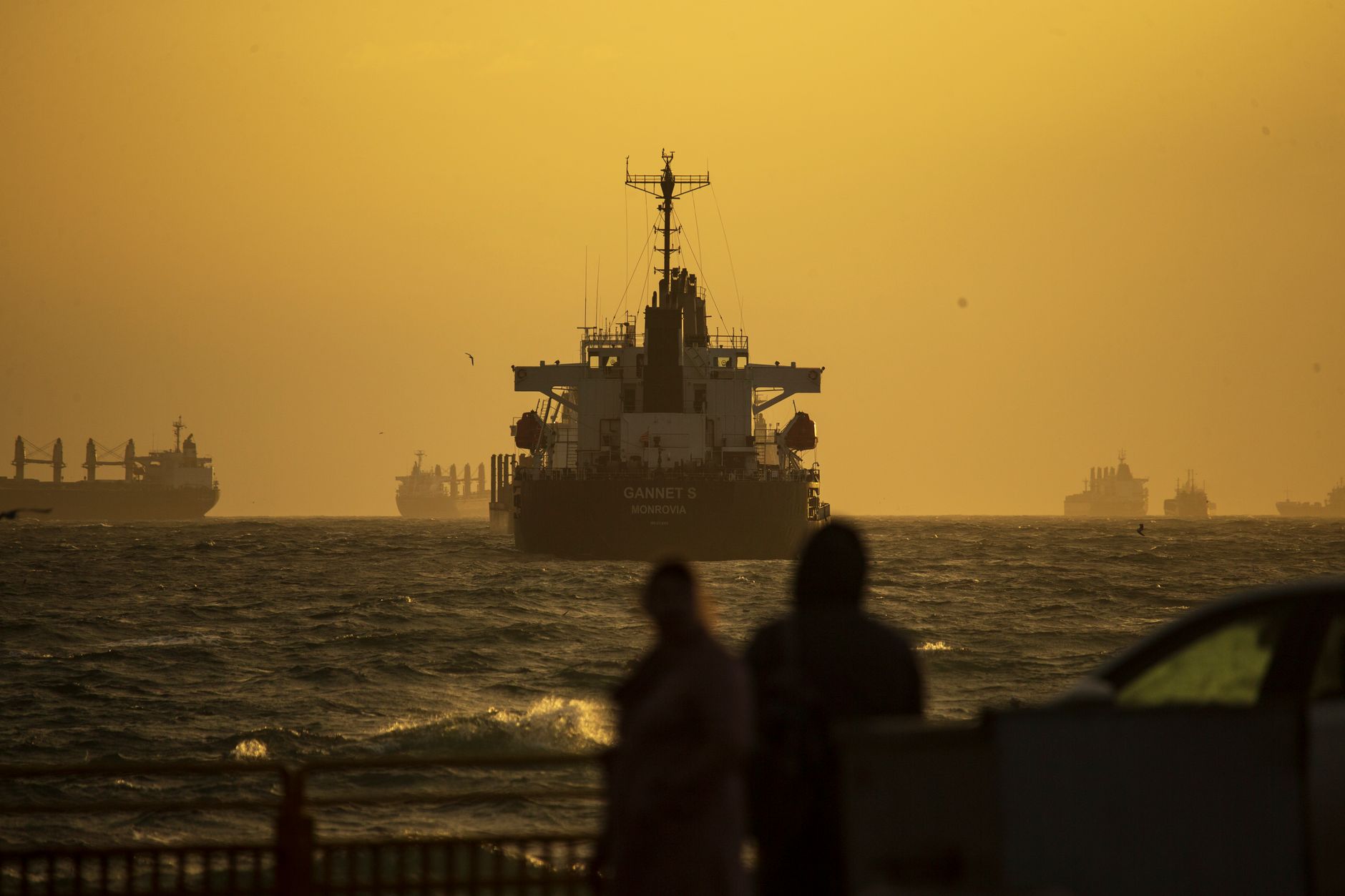
Chinese President Xi Jinping called for the reopening of the Strait of Hormuz during a phone call on Monday with Saudi Arabia's Crown Prince Mohammed bin Salman. Xi urged the restoration of normal passage through the waterway, which had been brought to a standstill for seven weeks due to actions by the United States and Iran.
"The Strait of Hormuz should maintain normal passage, as this serves the common interests of regional countries and the international community," Xi said. He also backed "All efforts conducive to restoring peace and stands for resolving disputes through political and diplomatic means."
A Chinese readout of the call did not specifically mention any key players in the U.S.-Israel war on Iran. Iran moved to close the Strait of Hormuz to most marine traffic on February 28, 2026, and the U.S. launched a blockade of all Iranian ports on April 13, 2026. President Donald Trump said on social media that the naval blockade would continue until Washington reached a deal with Tehran. Trump has also threatened to impose 50 percent tariffs on countries that supply Iran with arms.
Earlier this month, China vetoed a United Nations Security Council resolution to reopen the Strait of Hormuz. China has vetoed similar efforts to intervene in conflicts in Syria and Myanmar, and maintains a longstanding policy of noninterference in other countries' internal affairs.
China has a working relationship with all players in the war. It is Iran's largest trade partner and buys up to 90 percent of Iran's oil, according to the US-China Economic and Security Commission. In 2021, China signed a 25-year comprehensive strategic partnership agreement with Tehran. Over the past decade, it has cultivated closer ties with Saudi Arabia, Qatar, and the United Arab Emirates, and helped broker the 2023 normalization of relations between Saudi Arabia and Iran.
Xi met with Abu Dhabi Crown Prince Sheikh Khaled bin Mohamed bin Zayed Al Nahyan in Beijing on April 14, 2026, before the phone call with the Saudi crown prince. Chinese Foreign Minister Wang Yi made 26 phone calls between February 28 and April 8, 2026, according to the Ministry of Foreign Affairs, and envoy Zhai Jun held nearly two dozen meetings with key actors in the lead-up to a two-week Iran-U.S. ceasefire reached earlier this month. China is also preparing for the second China-Arab Summit and moving to finalize a free-trade agreement with the Gulf Cooperation Council.
"China is gaining not by doing any dramatic moves but waiting and seeing and using opportunities as they come to position, and letting the Americans deal with the mess," said Gedaliah Afterman, head of the Asia-Israel policy programme at the Abba Eban Institute for Diplomacy and Foreign Relations. Drew Thompson, a senior fellow at S Rajaratnam School of International Studies, offered a separate assessment. "They're trying to be a peacemaker without underwriting the peace process. The bottom line is the Middle East is far from a core interest of China, so it has limited political capital to spend," he said.


forum Comments (0)
No comments yet. Be the first to comment.