

The United States and Israel launched strikes on Iran as part of a military campaign whose core objective, according to President Donald Trump, was to deny Iran the ability to develop a nuclear weapon. A two-week truce has been announced, and a U.S. delegation is set to meet Iranian negotiators in Islamabad, Pakistan, this weekend.
Trump announced the war in a social media video from his Mar-a-Lago estate, calling on Iranians to take over their government when U.S.-Israeli bombing stopped. Within days, he demanded the regime's unconditional surrender. His stated war objectives also included destroying Iran's ballistic missile capabilities.
The campaign followed years of U.S. policy toward Iran's nuclear program. Trump withdrew the U.S. from the 2015 Joint Comprehensive Plan of Action in 2018, having judged the agreement too weak. During his first term he also ordered the killing of General Qasem Soleimani of the Islamic Revolutionary Guard Corps. Iran had been in compliance with the nuclear agreement before the U.S. withdrawal, and Tehran has said it never planned to develop a nuclear weapon.
Secretary of Defense Pete Hegseth described the outcome as a "capital V military victory" and said the U.S. had dealt "death and destruction from the sky all day long."
Officials said the aerial campaign was completed ahead of schedule and that U.S. forces destroyed Iran's conventional military capabilities, including missiles, launchers, drones, arms factories, and its navy. Leaked intelligence assessments, however, suggest Iran maintains about half of its pre-war stock of missiles and drones. Iran's stockpile of near-weapons-grade enriched uranium reportedly remains in gas cylinders under rubble after five weeks of war. Munitions were expended at a rapid rate, including large numbers of Tomahawk missiles, and the estimated cost of the war exceeded a billion dollars per day.
At least 168 people, including 110 children, were killed in a strike on a school in the city of Minab on the first day of the war. Thirteen U.S. service members were killed and hundreds were wounded during the conflict.
The U.S.-Israeli objective of regime change in Iran did not occur. According to one report, Israel killed senior figures including Supreme Leader Ayatollah Ali Khamenei, though this claim has not been independently confirmed. There is no evidence that U.S. forces captured Iranian leaders in Tehran.
Support for the war in Congress split along partisan lines, with Republicans backing the president. Some members of Congress publicly opposed Trump's social media threat to destroy a whole civilization. Influential figures in the MAGA movement also broke with the president over the war. Polling has consistently shown that a minority of Americans approve of the conflict.
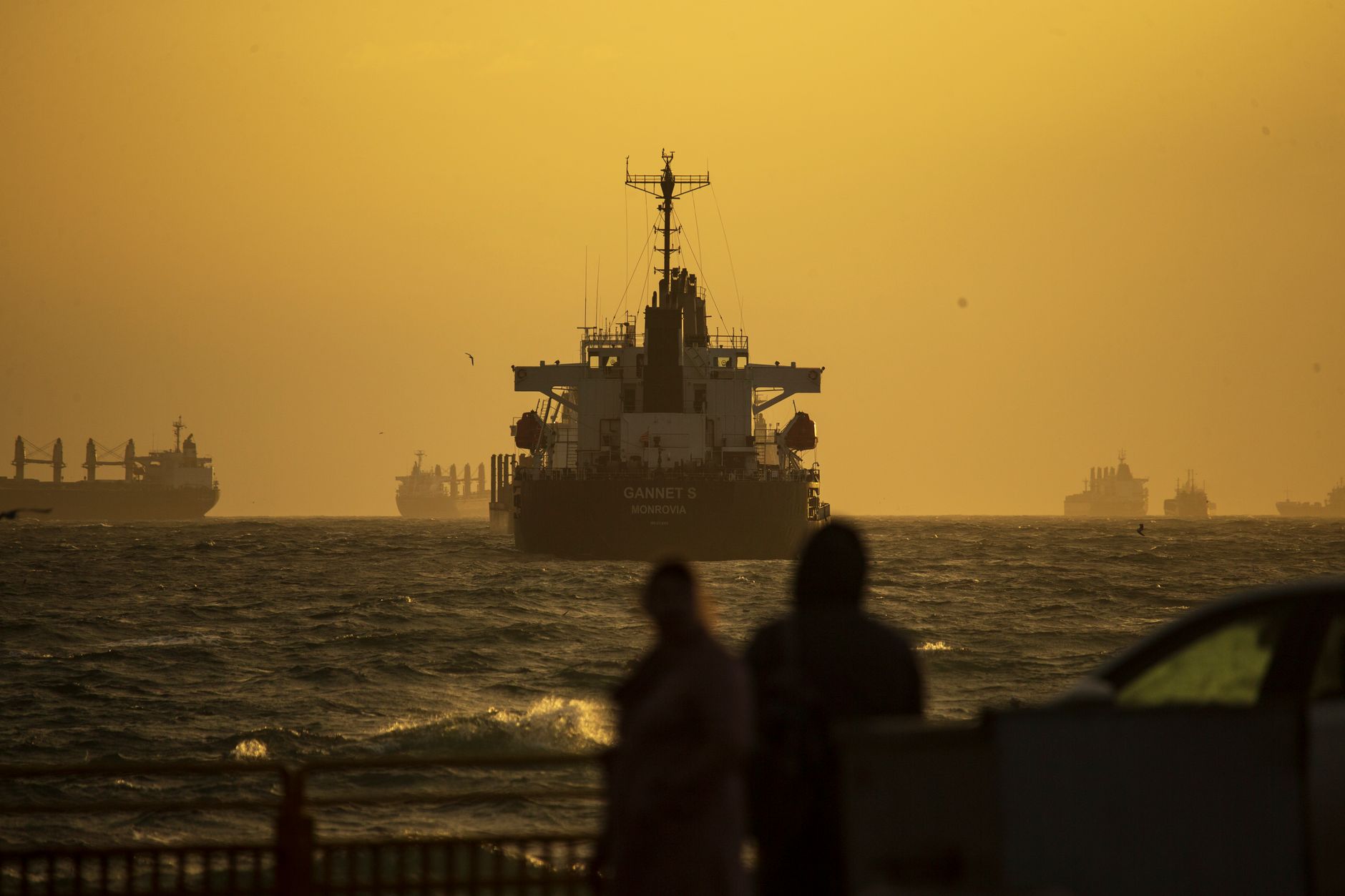
"The strait of Hormuz wasn't an issue before the US decided to strike," said Robert Malley, a Yale lecturer and former U.S. special envoy to Iran who served as lead negotiator on the nuclear agreement. The U.S. has not presented a clear plan for reopening the strait.


forum Comments (0)
No comments yet. Be the first to comment.