
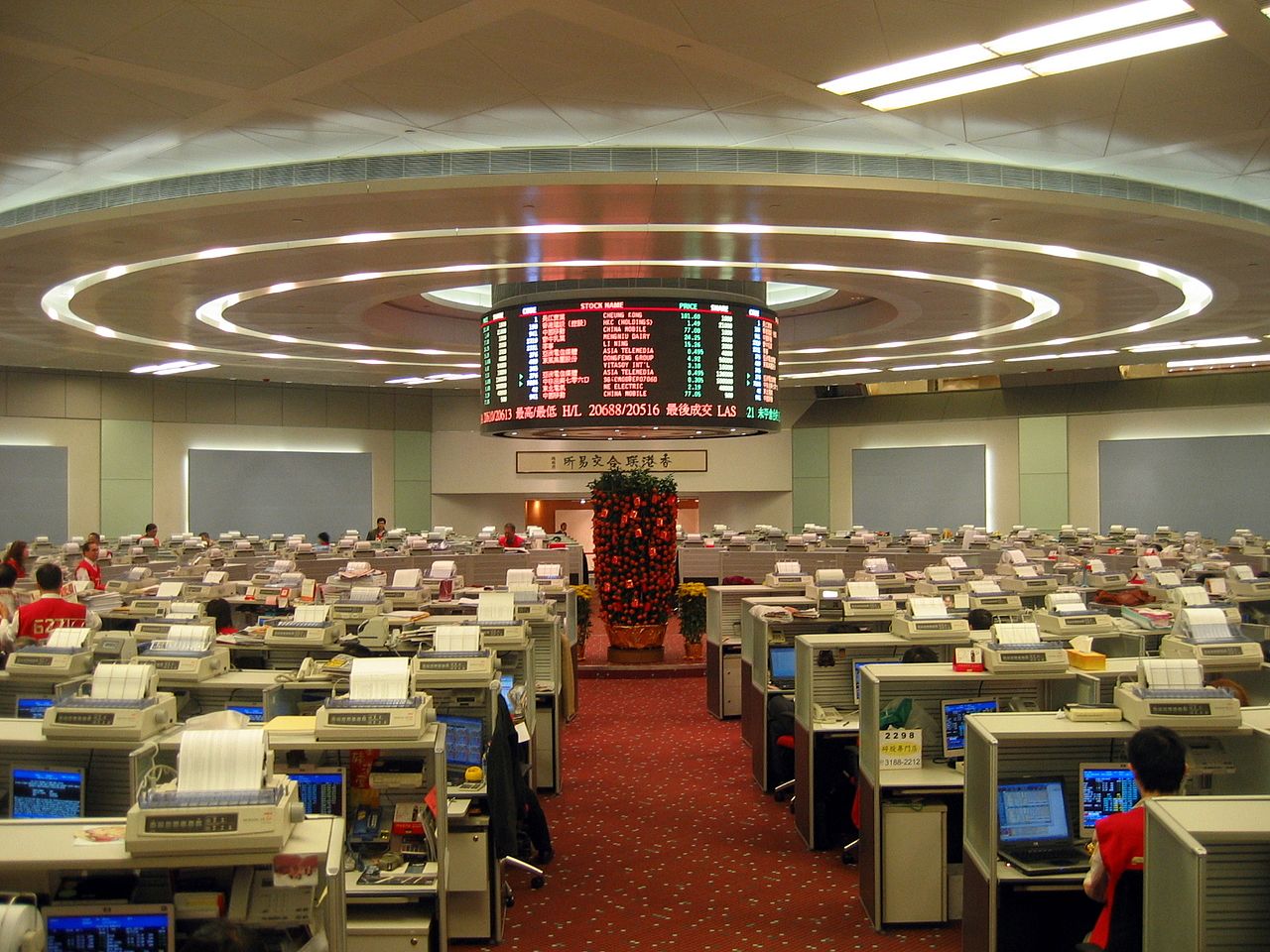
Asian shares were mixed on Monday, with Hong Kong's Hang Seng index rising 1.4% to 26,135.47 while Australia's S&P/ASX 200 slipped 0.3% to 8,704.70. Markets in mainland China and Japan were closed for Golden Week holidays.
South Korea's Kospi index gained 3.8%, and Taiwan's Taiex index rose 4.2%. U.S. futures rose 0.2%.
The moves followed gains on Wall Street on Friday, where U.S. stocks set more records driven by strong profits from major companies. The S&P 500 rose 0.3% to 7,230.12, closing out a fifth straight winning week. The Nasdaq composite rose 0.9% to a record close of 25,114.44, while the Dow Jones Industrial Average fell 0.3% to 49,499.27.
Earlier in the reporting period, Alphabet's stock rose 10% after reporting profit that almost doubled analysts' expectations. The S&P 500 rallied 1% to close at 7,209.01, its best month in more than five years, while the Dow Jones rose 1.6% to 49,652.14 and the Nasdaq composite rose 0.9% to a record of 24,892.31.
Apple's stock rallied 3.3% after reporting better-than-expected earnings. Exxon Mobil's stock price fell 1% and Chevron's fell 1.4% after both companies reported drops in net income from a year earlier. Over a quarter of the companies in the S&P 500 had reported first-quarter results, and 84% of them topped analysts' estimates. The S&P 500 was on track to deliver roughly 15% profit growth from a year earlier.
Oil prices held steady on Monday. The price of a barrel of U.S. benchmark crude fell 21 cents to $101.74, while Brent crude rose 5 cents to $108.19 a barrel. Brent crude was selling for a little more than $70 per barrel before the Iran war began. In earlier trading, Brent crude's price rose 67 cents to $111.07 per barrel and U.S. benchmark crude rose 10 cents to $105.17 a barrel.
In currency trading on Monday, the dollar rose to 157.18 Japanese yen from 156.80 yen, and the euro fell to $1.1724 from $1.1746. The dollar had bought 157.16 yen, up from 156.61 yen late Thursday, and the euro slipped to $1.1724 from $1.1731. Japanese officials warned they would intervene in the foreign exchange market if the yen fell further, and later intervened in the market after issuing warnings.


forum Comments (0)
No comments yet. Be the first to comment.