
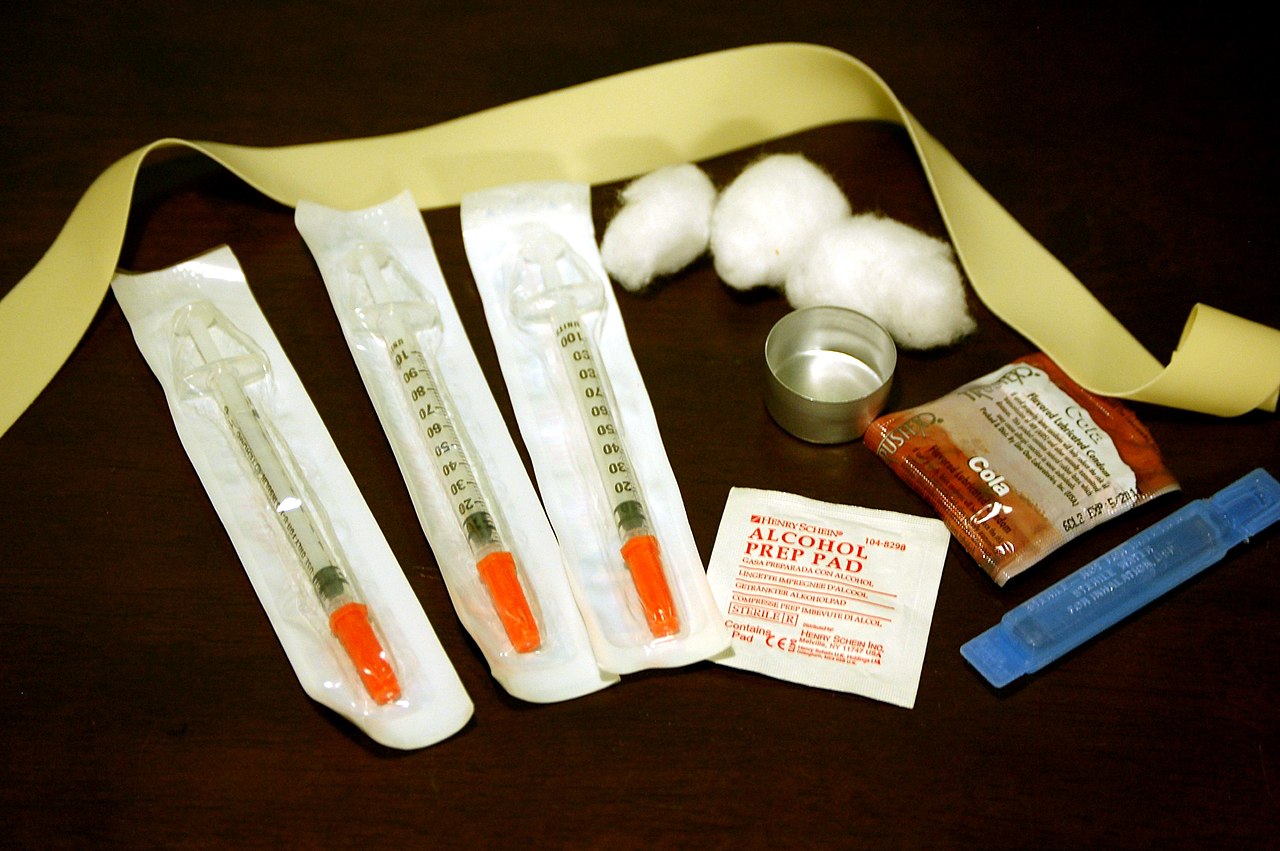
U.S. — The Trump administration announced an end to federal support for harm reduction programs, including syringe services, despite previously vowing to eliminate hepatitis C. The administration stated that federal funds can no longer support programs such as paying people who distribute syringes, framing the prohibition as a measure to prevent enabling drug use.
The Substance Abuse and Mental Health Services Administration (SAMHSA) specified that grantees are strictly prohibited from using federal funds for harm reduction efforts that facilitate illegal drug use. This prohibition includes purchasing, distributing, or supporting the provision of drug paraphernalia. Centers for Disease Control and Prevention staff stated in emails that funding may not support harm reduction efforts that a reasonable person might conclude primarily serve to facilitate or promote illegal drug use. CDC staff noted the administration's continued support for naloxone distribution.
U.S. Senator Edward J. Markey and other senators sent a letter to SAMHSA concerning the funding alteration. "Limiting access to test strips, as well as clean syringes, puts American lives at risk," Markey said. The letter addressed the administration's rejection of a public health approach that utilizes measures like syringe services and test strips to reduce the harms associated with drug use.
Regina LaBelle, director of the Addiction and Public Policy Initiative at Georgetown University, commented on the potential impact of the changes. "Syringe services will have to make some hard choices, like reducing services or hours," LaBelle said. She added, "It could potentially have a devastating impact in areas of the country." Drew Gibson, director of advocacy at AIDS United, stated, "They’re really wondering how it is they’re going to be able to keep their doors open."
The administration’s political review of discretionary grants has slowed funding to states for substance use response and disease prevention. The Minnesota Department of Health said it does not currently have the funds to continue supporting syringe service programs while awaiting federal funding decisions. Congress first allowed federal funding to support clean needle programs in 2016, permitting funds for staffing, facilities, and operating costs, but not for purchasing needles. Before this, federal funds were prohibited from purchasing syringes since the 1980s.
Why It Matters
The decision represents a shift from previously stated goals. In 2016, the United States signed onto a goal to eliminate hepatitis C, a disease that causes over 11,000 deaths annually in the U.S. Research has shown syringe services reduce infectious diseases like hepatitis C and HIV by 50 percent, and increase the likelihood someone will get treatment for substance use disorder. This policy change could affect ongoing efforts to combat these health issues and impact organizations that provide such services.


forum Comments (0)
No comments yet. Be the first to comment.