Relevance: supporting · Type: background
Confidence100%
Jim Mustian reported and co-wrote an Associated Press story regarding the U.S. Drug Enforcement Administration.
Relevance: primary · Type: event
Confidence100%
The U.S. Drug Enforcement Administration permitted hundreds of thousands of fentanyl pills to be distributed in New Mexico as part of an effort to build bigger federal prosecutions.
Relevance: supporting · Type: action
Confidence100%
Jim Mustian and AP journalist Joshua Goodman reviewed hundreds of internal DEA records.
Relevance: supporting · Type: action
Confidence100%
Jim Mustian and AP journalist Joshua Goodman interviewed current and former DEA agents.
David Howell, DEA whistleblower
Relevance: primary · Type: quote
Confidence100%
A whistleblower claimed the DEA gambled with public safety and violated U.S. Justice Department rules about seizing fentanyl.
Relevance: supporting · Type: event
Confidence100%
The White House designated fentanyl as a "weapon of mass destruction" last year.
Relevance: supporting · Type: action
Confidence100%
Joshua Goodman spotted a whistleblower complaint accusing the DEA of allowing fentanyl to hit the streets of New Mexico.
Relevance: supporting · Type: event
Confidence100%
The whistleblower report was sent to the White House in September.
Relevance: supporting · Type: background
Confidence100%
The whistleblower's name is David Howell.
Relevance: supporting · Type: event
Confidence100%
Jim Mustian met with David Howell in New Mexico in March.
Relevance: supporting · Type: background
Confidence100%
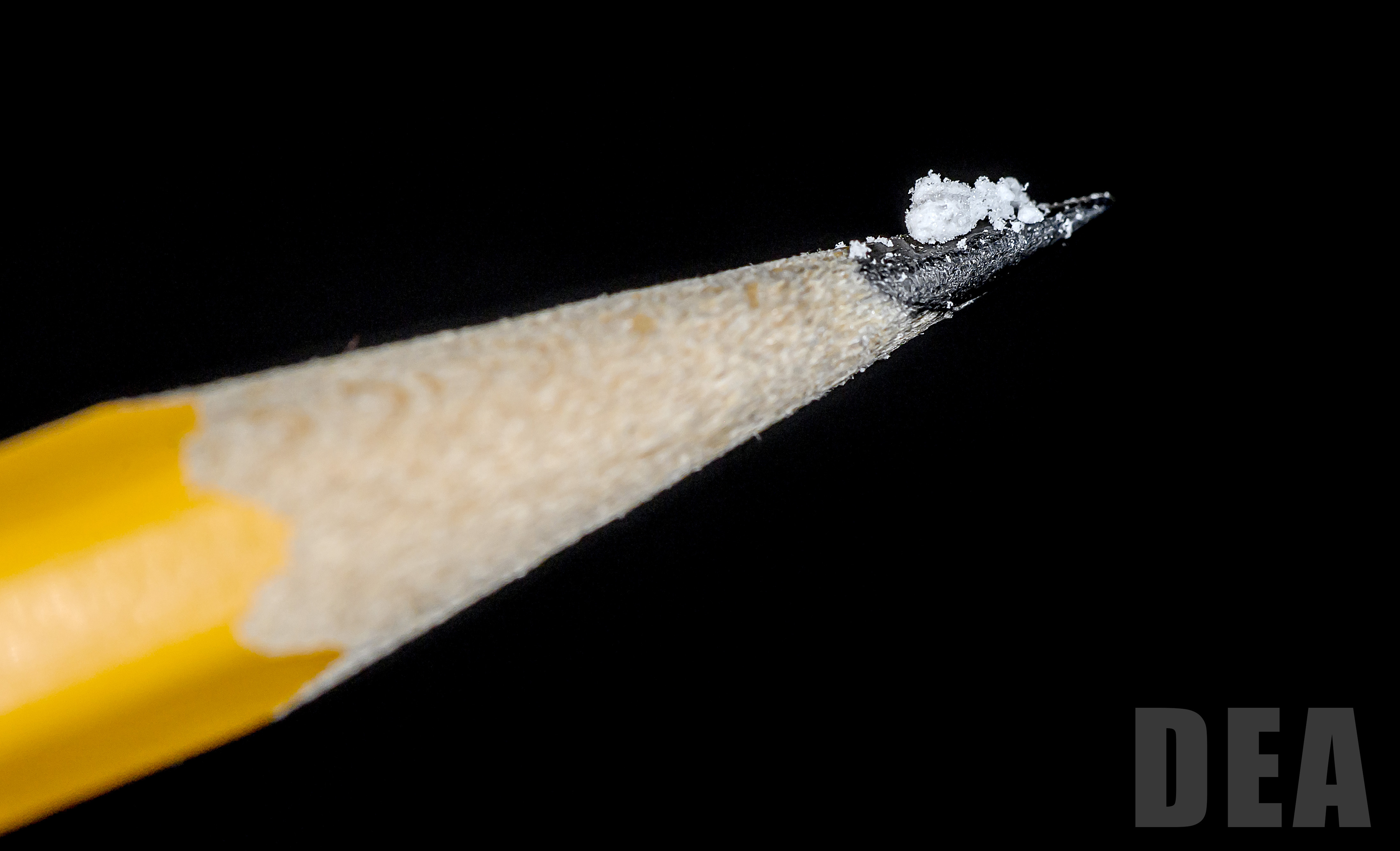
The DEA warns in its "One Pill Can Kill" campaign that a couple of grams of fentanyl is enough to kill the average adult.
Relevance: supporting · Type: background
Confidence100%
Counterfeit fentanyl pills are almost always manufactured by cartels in Mexican labs.
Relevance: supporting · Type: background
Confidence100%
Counterfeit fentanyl pills contain an unknown amount of fentanyl.
Relevance: primary · Type: event
Confidence100%
DEA agents monitored a fentanyl shipment at an Albuquerque mobile home park in 2023 but did not seize it.
Relevance: primary · Type: event
Confidence100%
DEA agents wrote in their investigative report that 74,000 fentanyl pills had been delivered in the 2023 Albuquerque incident.
David Howell, DEA whistleblower
Relevance: primary · Type: quote
Confidence100%
David Howell stated that the decision not to seize the 74,000 pills was akin to "providing one fentanyl pill to each person at a football stadium."
Relevance: supporting · Type: background
Confidence100%
Alex Uballez was the U.S. attorney in Albuquerque at the time of the 2023 incident.
Alex Uballez, Former U.S. Attorney
Relevance: primary · Type: quote
Confidence100%
Alex Uballez acknowledged that authorities sometimes "walk" drugs in the name of catching an ultimately "bigger fish."
Alex Uballez, Former U.S. Attorney
Relevance: primary · Type: quote
Confidence100%
Alex Uballez said the approach of letting drugs walk saves more lives than attempting to interdict every shipment.
Amanda Wozniak, DEA Spokesperson
Relevance: primary · Type: quote
Confidence100%
The DEA stated that "public descriptions suggesting that DEA knowingly permitted fentanyl to reach communities are false and fundamentally mischaracterize the facts."
Amanda Wozniak, DEA Spokesperson
Relevance: primary · Type: quote
Confidence100%
DEA spokesperson Amanda Wozniak wrote in an email that "the investigative decisions at issue were lawful, reasonable under the circumstances and consistent with Department guidance."
Relevance: supporting · Type: event
Confidence100%
The Justice Department rewrote its non-public rules to afford law enforcement more discretion in deciding whether to seize fentanyl.
Relevance: supporting · Type: background
Confidence100%
David Howell is a 19-year veteran of the DEA.
Relevance: primary · Type: action
Confidence100%
David Howell filed a formal whistleblower complaint with the Office of Special Counsel in late 2023.
Relevance: supporting · Type: action
Confidence100%
David Howell submitted DEA reports, emails, and text messages to the Office of Special Counsel.
Relevance: supporting · Type: event
Confidence100%
David Howell submitted a text message in which colleagues discussed a 100,000-pill transaction they witnessed but chose not to stop.
Relevance: primary · Type: event
Confidence100%
The Office of Special Counsel found a "substantial likelihood of wrongdoing" regarding the DEA's actions.
Relevance: primary · Type: action
Confidence100%
The Office of Special Counsel asked the Justice Department to investigate the DEA.
Relevance: primary · Type: event
Confidence100%
The Justice Department’s Office of Professional Responsibility found in 2024 that the DEA and U.S. attorney’s office had made reasonable decisions in deciding to allow drugs to go unseized.
Relevance: primary · Type: event
Confidence100%
The Justice Department’s Office of Professional Responsibility found that the DEA's inaction posed no "specific danger to public health."



forum Comments (0)
No comments yet. Be the first to comment.