

The U.S. Centers for Disease Control and Prevention reported two measles-associated deaths in the United States as of September 28, 2026. The agency listed over 3,600 confirmed measles cases nationwide as of September 24.
The CDC dashboard does not identify the states associated with the two reported deaths. This reporting follows a shift in federal verification protocols, as the CDC is relying on the National Center for Health Statistics to verify measles-related deaths, marking a departure from its standard protocol for infectious disease surveillance.
Disputes regarding death attribution have emerged between federal and state officials. The Pennsylvania Department of Health has counted four measles-associated deaths in 2026. The CDC disputed whether measles caused the four deaths reported by Pennsylvania.
Regional data indicates concentrated transmission in specific areas. Pennsylvania, Ohio, and New York had the most measles cases in the last two weeks. Almost all confirmed measles cases have been among unvaccinated individuals.
Vaccination gaps remain across the country. Approximately 280,000 kindergartners attended school without documentation that they had completed the MMR series during the 2025-2026 school year. One dose of the MMR vaccine is approximately 93% effective against measles, while two doses are approximately 97% effective.
Paul Offit, Director of the Vaccine Education Center at the Children’s Hospital of Philadelphia, said in an interview that current data may not reflect the full extent of the crisis. He said he thinks the number of people being exposed, infected, hospitalized, and dying may be underestimated. Offit also issued warnings for international travelers entering the country. He said anyone traveling from another country into the United States should ensure they are up to date on their vaccines, because it is dangerous to be in the United States now if not fully immune to measles.
Kalyani McCullough, Leader of the Vaccine Preventable Disease Epidemiology & Control Section at the California Department of Public Health, said in an interview about the broader health impacts of the virus. She said measles can affect many parts of the body and have long-lasting effects. McCullough detailed specific mechanisms of long-term harm. She explained that immune amnesia means the measles virus can reduce immunity to other infections after measles infection. She said it is important for people to realize that getting measles can have serious consequences.
State-level responses have included increased access to immunizations. Pennsylvania has opened nearly 150 pop-up vaccination clinics in homes and community centers. The state also developed a dashboard showing community transmission by county to keep residents informed.
The financial burden of containment is substantial. Each case of measles costs the public-health system an average of $58,600 to respond to. The herd immunity threshold for measles is 95%.
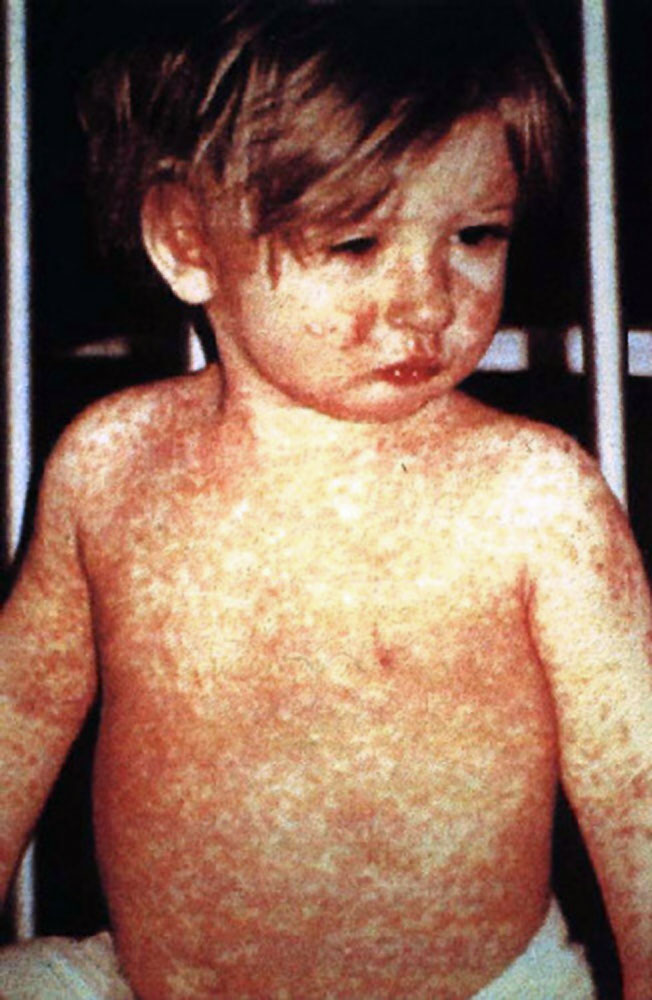
The virus exhibits high transmissibility among susceptible populations. Measles spreads through the air when an infected person coughs, sneezes, or breathes. One person with measles can infect about 15 to 18 other susceptible people. Up to 9 out of every 10 exposed susceptible people will get measles.
Clinical timelines and complications vary. Measles symptoms usually begin seven to 14 days after exposure, or as late as 21 days later. Measles can result in immune amnesia, making kids more likely to get other infections over the next two to three years. Approximately one in 10,000 people who recovered from measles will die years later from subacute sclerosing panencephalitis.
Timeline
On September 11, 2024, the CDC published in the Federal Register an interim final rule with request for comment to update existing regulations governing the WTC Health Program to align with statutory changes. In late August 2026, the CDC posted two of the Pennsylvania deaths on its national dashboard. On August 31, 2026, Robert F. Kennedy Jr., Secretary of Health and Human Services, questioned if the Pennsylvania deaths were fabricated.
As of September 24, 2026, the CDC lists over 3,600 confirmed measles cases in the U.S. On that same date, almost all confirmed measles cases have been among unvaccinated individuals, and Pennsylvania, Ohio, and New York had the most measles cases in the last two weeks. As of September 28, 2026, the CDC reports two measles-associated deaths in the U.S. though the CDC dashboard does not identify the states associated with the two reported deaths.
What's New
Additional reporting shows the reliance on the National Center for Health Statistics to verify measles-related deaths, marking a departure from standard protocol. The CDC lists over 3,600 confirmed measles cases in the U.S. as of September 24.
Paul Offit said he thinks the number of people being exposed, infected, hospitalized, and dying may be underestimated. Kalyani McCullough said measles can affect many parts of the body and have long-lasting effects. She explained that immune amnesia means the measles virus can reduce immunity to other infections after measles infection, and said it is important for people to realize that getting measles can have serious consequences. Offit also warned that anyone traveling from another country into the United States should ensure they are up to date on their vaccines, because it is dangerous to be in the United States now if not fully immune to measles.
Why It Matters
The discrepancy between state and federal death counts reflects challenges in infectious disease surveillance during outbreaks. The shift to using the National Center for Health Statistics for verification alters the timeline and method for confirming measles-associated fatalities. With Pennsylvania reporting four deaths and the CDC listing only two nationally without state identification, public health officials face difficulties in assessing the true mortality rate of the current surge.
The economic and health implications extend beyond immediate infection. Each case costs the public-health system an average of $58,600, straining resources as states like Pennsylvania open nearly 150 pop-up clinics. The potential for long-term complications, including immune amnesia and subacute sclerosing panencephalitis, affects individuals years after recovery. With 280,000 kindergartners lacking documented MMR completion, the population remains vulnerable to a virus that requires 95% herd immunity for containment.


forum Comments (0)
No comments yet. Be the first to comment.