
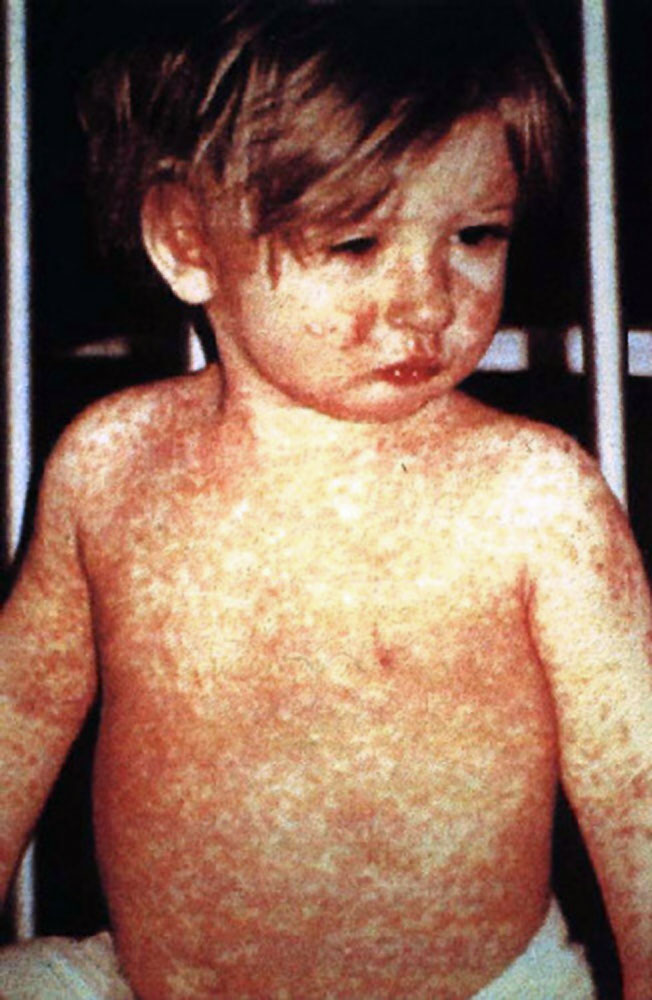
Utah's first measles outbreak in the current transmission period began on June 20, 2025, with more than 680 people contracting the disease across 22 of the state's 29 counties since that date. This outbreak occurred as the national U.S. measles case count reached 2,104 by June 18.
Measles exposures in Utah have taken place in various settings, including healthcare facilities, retail stores, restaurants, and youth sporting events. A February exposure at a Utah state high school wrestling championship resulted in at least 46 measles cases among attendees. Southwestern Utah has reported 265 measles cases since the summer of the previous year.
The TriCounty health region, comprising Daggett, Duchesne, and Uintah counties, recorded the second-largest decline in childhood vaccination rates in the state. More than 16% of kindergarteners in this region lacked measles vaccinations during the previous school year, a higher figure than Utah's statewide measles vaccination gap for kindergarteners, which stood at 12.8% for the same period. The two-dose measles vaccine regimen offers 97% protection against infection, and a 95% vaccination rate is considered necessary to prevent outbreaks.
The TriCounty Health Department recorded 74 measles cases in the spring following transmission from a youth wrestling tournament to local schools and households. TriCounty health officials responded by excluding unvaccinated students from in-person schooling during the outbreak and instructed individuals diagnosed with measles to isolate. A health department spokesperson said the TriCounty health region has experienced increased vaccine hesitancy in recent years. "The perceptions were changed that we weren't out there to police, we were there to be a help and a resource to the community." Cyndie Mattinson, an infectious disease specialist with the TriCounty Health Department, said.
Leisha Nolen, Utah's state epidemiologist, stated that the disease is still transmitting within the state. "It's still here, it's still transmitting. We just need those few cases to hit the wrong community and it could flare up really big again." Nolen said. Ongoing local transmission in Utah could impact whether the U.S. retains its measles elimination designation, which public health guidelines define as the absence of continuous community transmission for at least 12 months. International health experts will convene in November to determine if the U.S. and Mexico will retain their measles elimination status; Canada lost its status last year due to ongoing outbreaks.
Dr. Ellie Brownstein, a pediatrician in Salt Lake City and president-elect of the Utah chapter of the American Academy of Pediatrics, opposed legislation during the outbreak that would have simplified the process for obtaining school vaccine waivers. This legislation failed to pass. Brownstein said. "I don't know that we get it to end. I don't know that we're going to get this genie back in the box because there's enough people out there to spread it."


forum Comments (0)
No comments yet. Be the first to comment.