

STRAIT OF HORMUZ — The global economy has avoided a predicted recession six months after the start of the conflict, following the United States and Israel's attack on Iran on February 28, 2026. Financial markets have rebounded from initial losses, though the conflict has disrupted trade through the Strait of Hormuz and driven up costs for energy, agriculture and air travel.
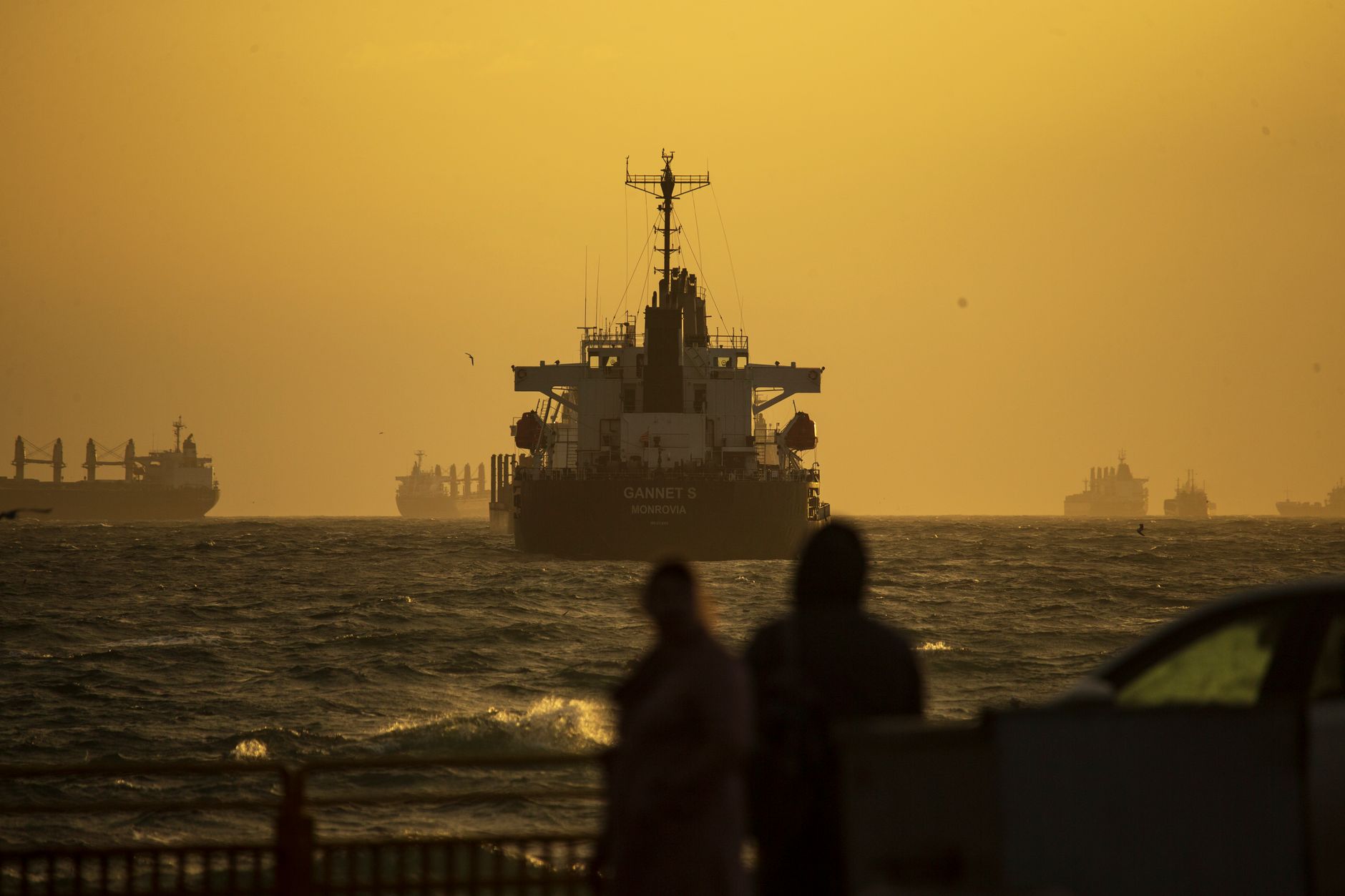
Tanker movement through the Strait of Hormuz has slowed significantly due to the war. The price of Brent crude oil climbed from a prewar close of about $72 a barrel to as high as nearly $120 a barrel. Prices remain approximately 20% higher than prewar levels.
"So far, the global economy has pulled off the financial equivalent of a ‘Mission Impossible’ scene," said Michael Ashley Schulman, an investment strategist with Cerity Partners. Following the attack on Iran, the Dow Jones Industrial Average and Nasdaq entered corrections, and the S&P 500 had its worst month since 2022. Since the market bottomed in late March 2026, the Dow has gained nearly 19%, the S&P 500 is up almost 22%, and the Nasdaq has surged 27%.
Fertilizer prices peaked in April 2026 at 44% higher than prewar levels, according to the World Bank’s price index. Carl Skau, acting executive director of the World Food Programme, stated in testimony that the suffocation of fertilizer exports has hit Asia and Africa hard. He said that when oil prices go up, so does the price of flour, rice and vegetables, and that an oil tanker anchored in the Strait of Hormuz can mean one less meal a day for a child in Sudan. The United Nations World Food Programme has warned that tens of millions of people could be pushed into hunger.
The International Air Transport Association expects jet fuel to cost, on average, 70% more in 2026 than in 2025. Lufthansa Group cut 20,000 short-haul flights. Spirit Airlines ceased operations.
"The likelihood that fuel surcharges are going to be rolled back and airfares are going to be brought down is very low over the next few months," said Brett House, a Columbia University economist. He said there is less choice for consumers and less competition between airlines, and therefore, less pressure to rein in fare increases.
Military contractor Powerus won a U.S. Air Force contract worth up to $90 million to supply interceptors for Iranian drones. Eric Trump and Donald Trump Jr. are preparing to take Powerus public. SpaceX is providing satellite service to guide U.S. drones against Iran. 1789 Capital Management owns stakes in military contractors Anduril and SpaceX.
Why It Matters
The conflict has reshaped global supply chains and commodity markets while testing the resilience of financial systems. Although a worldwide recession was avoided, the war has strained growth and reduced projected global economic output by hundreds of billions of dollars. The disruption to fertilizer and fuel exports has created direct links between geopolitical instability and food security in vulnerable regions.
Market rebounds have been driven by technology sector enthusiasm, which has offset some of the economic drag from the war. However, structural changes in aviation and agriculture suggest lasting impacts on consumer costs. The involvement of private military contractors and technology firms shows the evolving nature of modern conflict and its integration with commercial interests.
Timeline
The United States and Israel attacked Iran on February 28, 2026. The International Monetary Fund stated in a July 2026 report that the global economy is being shaped by the war straining growth and enthusiasm over artificial intelligence offsetting the drag.
What's New
A study titled "United Nations Peace Operations in a Changing Global Order" was published in 2018. Carl Skau is COO, World Food Programme.


forum Comments (0)
No comments yet. Be the first to comment.