
The recall involves approximately 1.5 million dozen white and brown cage-free eggs distributed to retailers and foodservice locations in Louisiana, Texas, Oklahoma, Arkansas, New Mexico, and Mississippi. At least 98 people in 17 states have been sickened by the salmonella-linked eggs, with 26 hospitalized.
Taylor Farms recalled iceberg lettuce during a cyclospora outbreak that contributed to more than 9,000 illnesses in the US. The company also recalled more than a dozen products containing jalapeños, including guacamole, salsa, and taco dip, after its supplier Coast Citrus Distributors recalled fresh peppers due to salmonella contamination.
Publix recalled frozen blueberries and mixed berries sold in multiple states due to concerns about E. coli contamination. Some Outshine fruit bars were recalled due to potential glass contamination. Recent food recalls have sickened thousands of people across the US.
Darin Detwiler, a professor emeritus at Northeastern University and an adjunct professor at Michigan State University College of Law, said recall activity has indeed been elevated. "What we can say is that recall activity in 2026 appears elevated, and some individual recalls are affecting extraordinarily large quantities of food," Detwiler said.
"That distinction matters. A handful of very large recalls can expose far more consumers than dozens of smaller events," he said. He noted that when recall notices become part of the background noise of everyday life, people may stop paying attention.
Edward Dudley, a professor of food science at Pennsylvania State University, offered a different perspective on the data. "We just transitioned through the summer, which for various reasons tends to see more foodborne outbreaks than other months," Dudley said.
There has been an increased effort by media outlets to report on these events, which is great for public awareness, but doesn’t necessarily reflect a concerning uptick in risk, Dudley said. Health and Human Services Secretary Robert F. Kennedy Jr. reportedly cut back on parasite monitoring before any of this occurred.
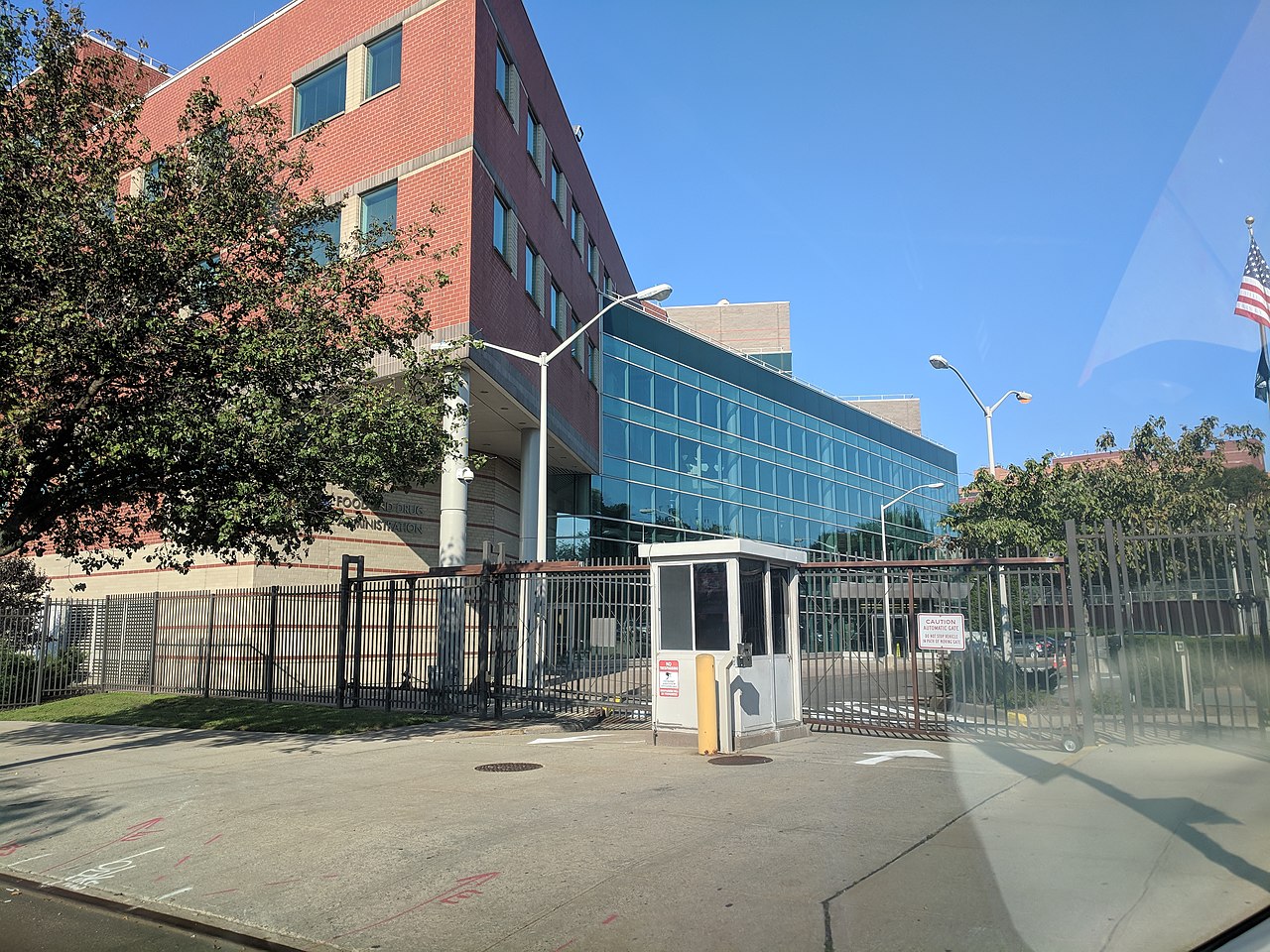
The FDA’s budget decreased by $271 million compared to the previous year. The agency cut over 4,300 employees in 2025 and 2026. The Centers for Disease Control and Prevention cut over 2,800 jobs in 2025 and 2026.
Why It Matters
The convergence of reduced federal staffing, budget cuts, and delayed regulatory enforcement coincides with a period of notable foodborne illness outbreaks. With the FDA and CDC reducing their workforce by thousands of positions since 2025, the capacity for routine safety inspections and pathogen surveillance has diminished. The removal of specific pathogens from CDC surveillance programs and the delay of the Traceability Rule further alter the landscape of food safety oversight.
Large-scale recalls affecting millions of units pose a distinct risk to public health compared to smaller, isolated incidents. Frequent high-profile recalls may lead to consumer desensitization, potentially undermining trust in the food supply chain. The situation shows the tension between operational constraints at federal agencies and the demand for rigorous food safety monitoring.
Timeline
The CDC removed pathogens like cyclospora, listeria, and shigella from its surveillance program last year. In February 2026, the Government Accountability Office stated that the FDA is dealing with staffing shortages as the number of required safety inspections increases. As of July 31, 2026, there were 122 food and beverage recalls, compared to 135 during the same period in 2025 and 146 in 2024.


forum Comments (0)
No comments yet. Be the first to comment.