
MONTREAL — Real-world data presented at a conference in Montreal demonstrate that the complement inhibitor pegcetacoplan slows geographic atrophy progression in eyes with or without concurrent neovascular age-related macular degeneration, with greater effectiveness observed in combination with anti-VEGF therapy. Geographic atrophy had a similar response to pegcetacoplan whether concurrent with neovascular age-related macular degeneration or alone, while a propensity-matched analysis showed a slower rate of visual acuity decline in eyes treated with pegcetacoplan alone or in addition to anti-VEGF therapy. Pegcetacoplan alone slowed best-corrected visual acuity deterioration compared to controls.
Compared with pretreatment status, the rate of geographic atrophy progression decreased significantly following initiation of pegcetacoplan. In eyes with geographic atrophy alone, the annualized rate of atrophy slowed after treatment began, with a measurable reduction in lesion growth over 12 months. A similar trend was observed in eyes with both geographic atrophy and neovascular age-related macular degeneration, indicating a consistent treatment effect across subtypes.
"We saw that rates of atrophy progression were similar pre-pegcetacoplan treatment in eyes with GA alone and those with GA and neovascular AMD. Subsequent to the initiation of pegcetacoplan, we see a reduction in photoreceptor and RPE atrophy rates over the 12 months in both cohorts, with larger numerical effects in the combined-disease cohort, indicating that pegcetacoplan reduces atrophy progression in those with neovascular AMD and concurrent atrophy," Al-khersan said.
Treatment with pegcetacoplan slowed the rate of retinal pigment epithelium loss in both groups (P<0.001). The effect on retinal pigment epithelium loss was greater in the geographic atrophy/neovascular age-related macular degeneration group at 0.96 mm2 compared to 1.17 mm2. The annualized pretreatment rate of photoreceptor loss was 1.66 mm2 in both groups.
Treatment with pegcetacoplan slowed the rate of photoreceptor loss (P<0.001). Photoreceptor loss slowed in both groups, with numerically greater protection in eyes with neovascular age-related macular degeneration (-58% vs -41%). Pegcetacoplan slowed the rate of photoreceptor loss more in the geographic atrophy/neovascular age-related macular degeneration group at 0.70 mm2/yr versus 0.97 mm2/yr.
Nimesh Patel, MD, of Mass Eye and Ear, and colleagues performed a propensity-matched analysis of data from the Vestrum retina specialists' database. The analysis was aided by Retina AI Discovery. Propensity-score matching included patient age, sex, best-corrected visual acuity, geographic atrophy lesion size, lesion distance to fovea, and subfoveal involvement.
The analysis included 511 patients treated with pegcetacoplan alone, 564 untreated patients, 328 patients who received the complement inhibitor and anti-VEGF therapy, and 394 who received anti-VEGF treatment only. Follow-up continued for 18 months.
"This effect was most pronounced in the patients with concurrent neovascular AMD who were also being treated with anti-VEGF therapy. It was statistically significant at all time points for the concurrent-treatment group," Patel said.
Fewer patients lost 15 or more letters when treated with pegcetacoplan alone or with concurrent anti-VEGF therapy. For the pegcetacoplan-control comparison, rates of 15-letter or greater loss were lower at 6 months, 12 months, and 18 months. Pegcetacoplan plus anti-VEGF therapy resulted in lower rates of 15-letter or greater loss compared to anti-VEGF alone at 6 months, 12 months, and 18 months, with the difference statistically significant at 12 and 18 months.
"We also saw that fewer patients lost 15 letters with pegcetacoplan treatment than controls and that was regardless of anti-VEGF use. The difference was statistically significant at all time points up to 18 months. To my knowledge, this is the first study -- either real world or clinical trial -- to demonstrate a visual acuity benefit for patients with geographic atrophy with pegcetacoplan, both geographic atrophy alone and concurrent with neovascular AMD and anti-VEGF," Patel said.
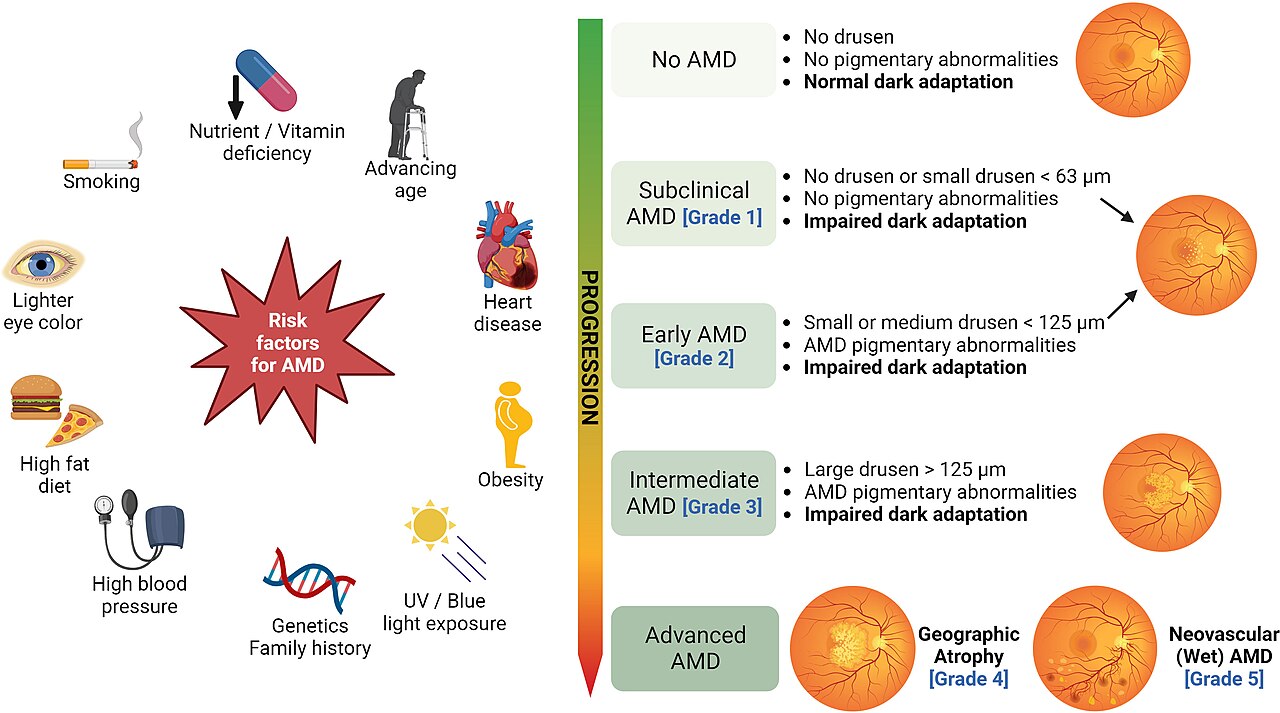
Geographic atrophy, a late stage of dry age-related macular degeneration, leads to progressive vision loss as retinal cells deteriorate. The findings indicate that pegcetacoplan provides measurable structural and functional benefits across patient populations, with the most pronounced outcomes in those receiving combined therapy for both geographic atrophy and neovascular age-related macular degeneration.



forum Comments (0)
No comments yet. Be the first to comment.