
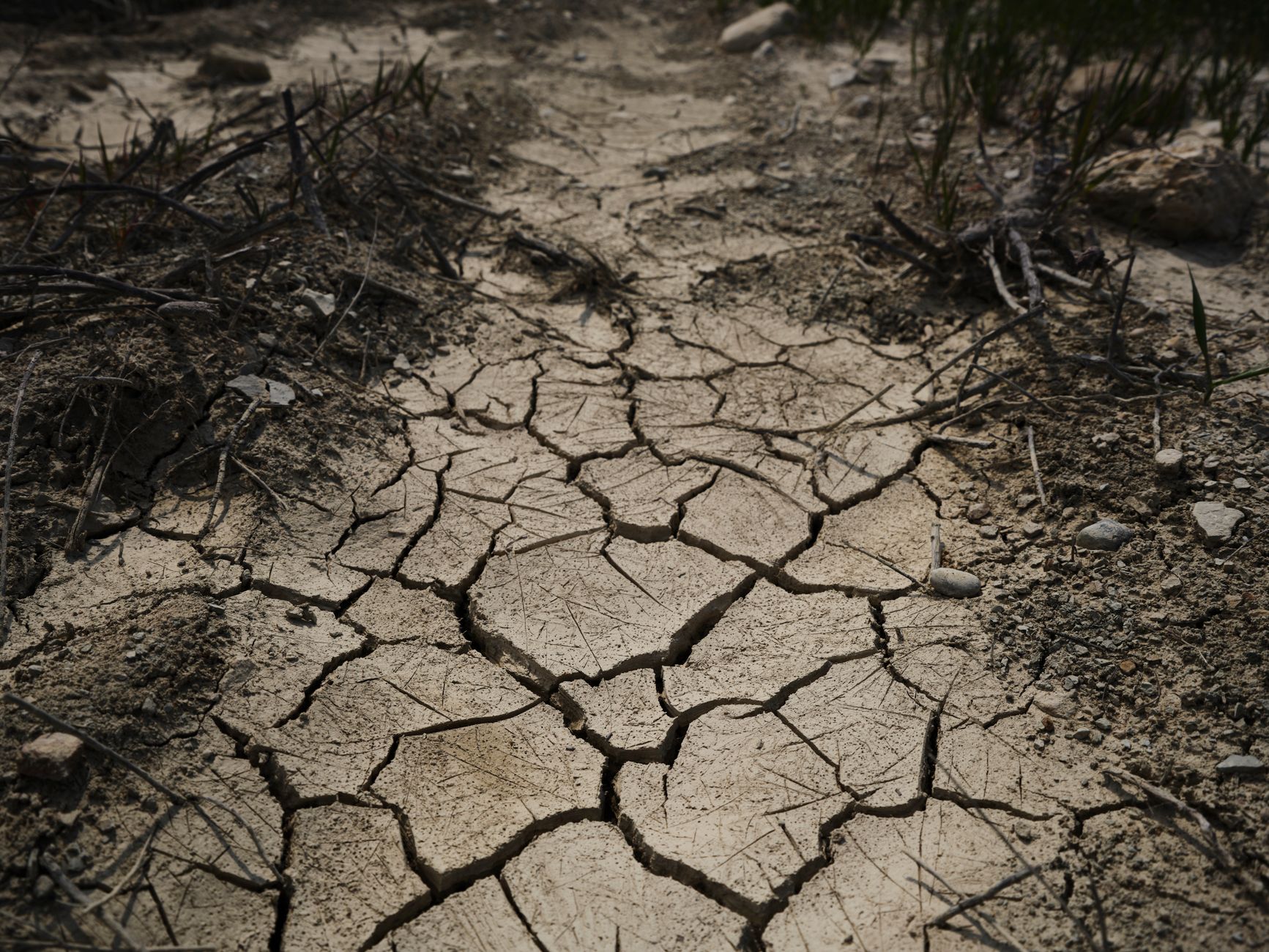
A recent heatwave caused approximately 1,000 additional deaths in France between June 24 and June 27, according to France's national public health agency. Temperatures in parts of Europe exceeded 40 degrees Celsius during the heatwave, which affected up to 150 million people.
Julio Díaz Jiménez, a professor at Madrid's Carlos III health institute, stated: "It's common sense. A heatwave is not the same when you're in a shared room with three other people and no air conditioning, as when you're in a villa with access to a pool and air conditioning." In a southern suburb of Paris, a 60-year-old resident named Aboubakar reported experiencing temperatures of 40C inside his fourth-floor flat. "I'm suffocating. I can't afford to buy a fan. There are no shutters on my flat. At night I can't sleep, it's like a furnace," Aboubakar said.
Ajit Niranjan, a journalist, reported: "Each year heat kills 10 times more people than murderers in Europe." Some towns in the wealthiest area west of Paris restricted access to municipal swimming pools for individuals from other areas. In Germany, a public swimming lake turned away visitors who did not speak German. In Berlin, police deployed water cannons to cool people during the heatwave.
Half of French homes have inadequate protection from high temperatures. Europe is the fastest-warming continent globally. The climate crisis and growing disparity could account for more than 100,000 deaths annually in Europe.
Why It Matters
The recent heatwave in Europe highlights vulnerabilities to extreme temperatures, particularly among certain populations. The death toll in France and the reported experiences of individuals like Aboubakar demonstrate that access to cooling resources varies. Public health officials have noted the disproportionate impact of heat events, linking them to socio-economic factors.


forum Comments (0)
No comments yet. Be the first to comment.