
JERUSALEM — The Israeli government informed the High Court of Justice on Wednesday, July 1, 2026, that legislation to establish an alternative investigative framework for the October 7 massacre is expected to pass its first Knesset reading on Monday, July 6, 2026. The government also requested an additional 30 days from the High Court to provide a further update regarding petitions that demand the creation of a state commission of inquiry into the October 7 failures and the subsequent war.
The High Court of Justice had instructed the government in April 2026 to report on the progress of an investigative framework. At that time, the High Court noted that more than two and a half years after October 7, no suitable mechanism had been established to investigate the events and derive lessons from them. The government maintained its position that it is legally authorized to determine whether to establish an inquiry, what its mandate should be, and when its work should commence.
The government stated that the Knesset Constitution, Law and Justice Committee had approved the bill for its first reading on June 9, 2026. The government-backed legislation proposes the creation of a commission of inquiry. Under the version of the bill approved in June 2026, the Knesset would aim to appoint a six-member panel with the support of 80 Members of Knesset (MKs).
If the Knesset is unable to appoint a six-member panel with 80 MKs, the revised proposal stipulates that the committee chairman and the leader of the opposition would each appoint three members. This revised proposal allows the commission to operate with a minimum of three members. A provision that would have allowed the state comptroller to fill vacant positions if either side failed to make appointments was removed from the bill cleared for its first reading.
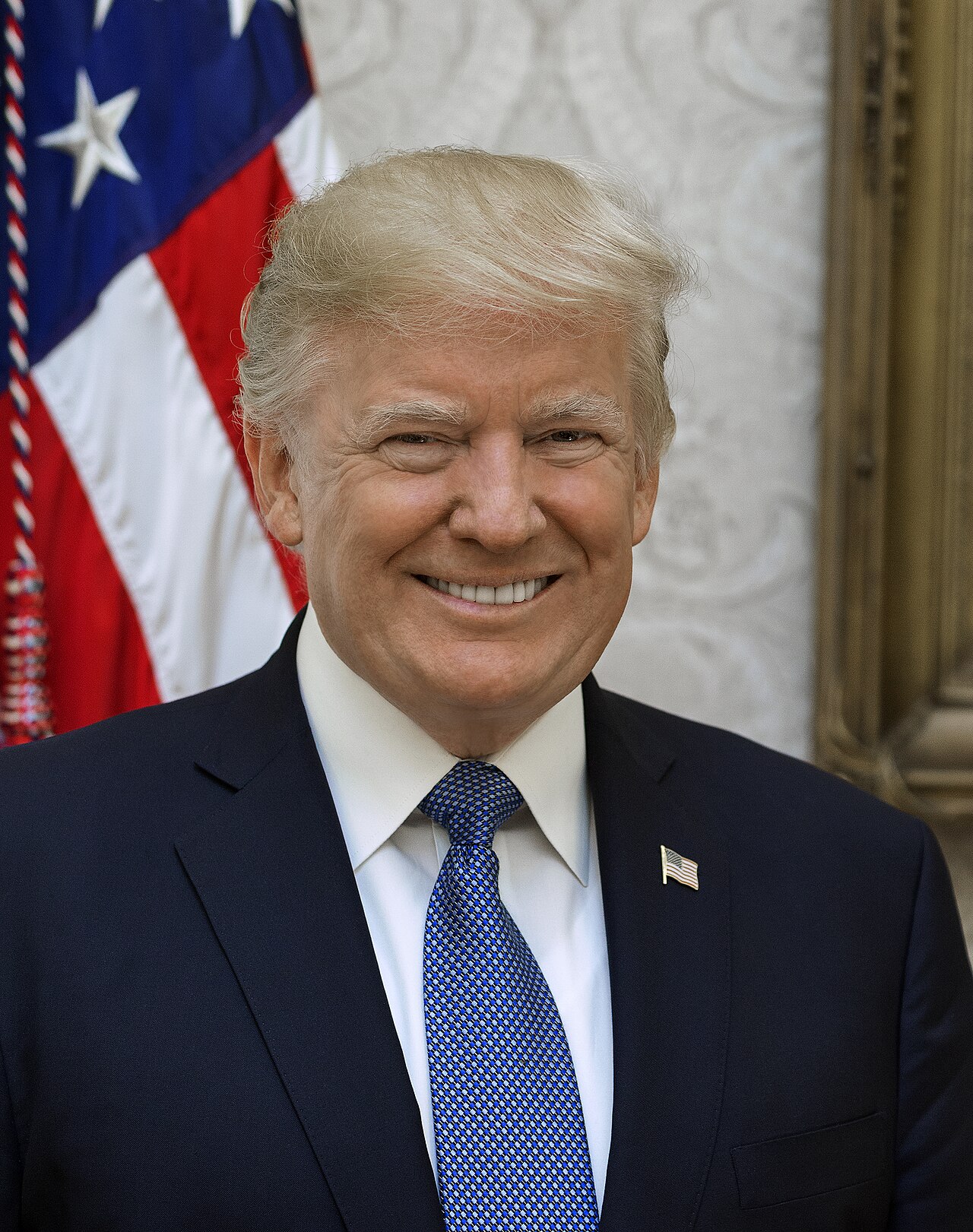
Prime Minister Benjamin Netanyahu argued that an inquiry formed through agreement between coalition and opposition representatives would possess broader public legitimacy than one whose members are appointed by the Supreme Court president. Likud MK Ariel Kallner made a similar argument regarding public legitimacy. Opposition parties, bereaved families, and the Attorney-General's Office contended that this proposal would enable politicians to influence the composition of an inquiry into their own conduct.
The Attorney-General warned that transferring appointment authority from the judiciary to political actors could undermine the independence and effectiveness of the investigation. After a first-reading vote, the bill would need to return to committee for further review and then pass second and third readings before it could become law.


forum Comments (0)
No comments yet. Be the first to comment.