
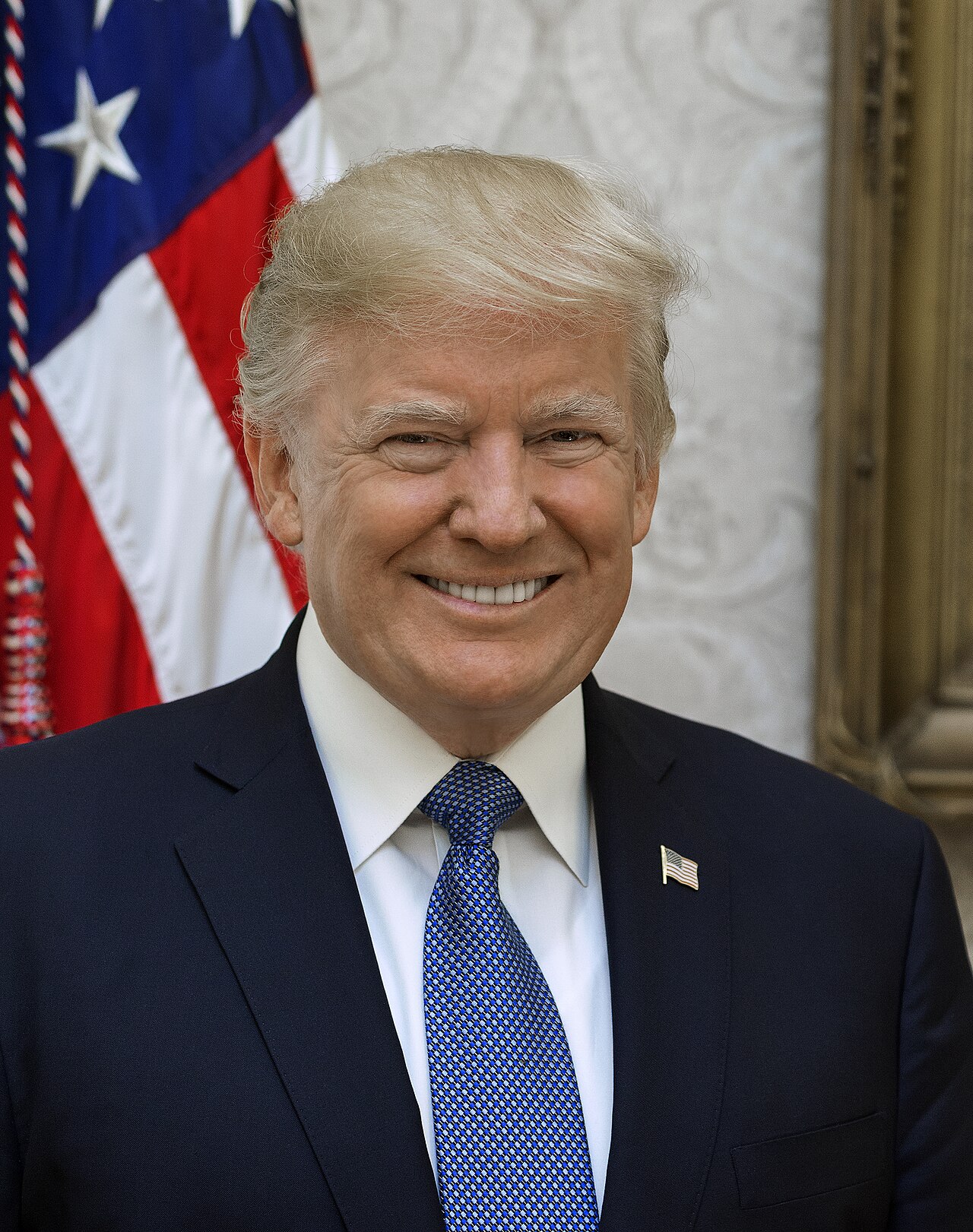
SAUDI ARABIA — Donald Trump approved an agreement with Saudi Arabia that could provide the kingdom with uranium enrichment capability for its civilian nuclear programme. The agreement may be announced as early as Wednesday.
The deal is expected to last 30 years and involve US firms in developing the programme. The Wall Street Journal and the deal.
The agreement could allow for the building of a uranium enrichment facility in Saudi Arabia after a joint US-Saudi study. The arrangement is expected to be submitted to Congress for review, where it will be considered by legislators concerned about regional stability and non-proliferation standards.
Some lawmakers fear that helping Saudi Arabia enrich uranium would open new rounds of nuclear proliferation and competition. Non-proliferation experts warn any centrifuges within Saudi Arabia could open the door to a weapons programme for the kingdom. These concerns center on the potential for civilian nuclear infrastructure to be diverted toward military applications, a risk that has long influenced US policy in the Middle East.
Crown Prince Mohammed bin Salman has not ruled out seeking a nuclear weapon if Iran obtains an atomic bomb. This stance has complicated diplomatic efforts to establish strict safeguards on Saudi nuclear activities. The kingdom’s leadership has linked its own nuclear ambitions to the capabilities of its regional rival, suggesting that security considerations could override non-proliferation commitments.
The agreement is not expected to include the IAEA’s 'additional protocol', which would allow for more monitoring, inspections and verification. Saudi Arabia is a member state of the International Atomic Energy Agency (IAEA), but the absence of the additional protocol means that international inspectors would have more limited access to nuclear sites. This limitation distinguishes the proposed deal from other US nuclear agreements in the region.
The United Arab Emirates signed a '123 agreement' with the US to build its Barakah nuclear power plant with South Korean assistance. The UAE did not seek uranium enrichment capabilities in its agreement with the US. The Saudi arrangement marks a departure from that precedent by explicitly considering enrichment technology, which is the most sensitive aspect of the nuclear fuel cycle.
Iran insists its nuclear enrichment programme is peaceful. Iran has previously boasted of enriching uranium to the brink of what is needed to explode a nuclear bomb. These conflicting claims have fueled regional tensions and influenced US strategic calculations regarding nuclear cooperation with allied states.
The expected announcement comes during the war against Iran launched by the US and Israel. The broader conflict has heightened the stakes for nuclear diplomacy in the region. Military engagements and diplomatic maneuvers have proceeded in parallel, with nuclear policy serving as both a tool of alliance management and a point of contention.
Both Donald Trump and former president Joe Biden tried to reach a nuclear deal with Saudi Arabia to share American technology. Efforts to finalize such an agreement spanned multiple administrations, reflecting the strategic importance US leaders place on energy and security ties with Riyadh. The current approval represents the culmination of these prolonged negotiations.
US energy secretary Chris Wright traveled to Saudi Arabia in 2025 shortly before Trump visited the kingdom. Chris Wright discussed building out Saudi Arabia’s commercial nuclear power industry with his Saudi counterpart. These high-level exchanges laid the groundwork for the technical and commercial components of the proposed partnership.
Saudi officials in Riyadh did not immediately respond to requests for comment on the decision. The US department of energy did not immediately respond to requests for comment late on Tuesday. The lack of immediate official statements leaves many details of the agreement to be clarified in the coming days.
The potential transfer of uranium enrichment technology to Saudi Arabia represents a significant shift in US non-proliferation policy. Enrichment capability is a dual-use technology that can serve both civilian energy production and weapons development. By approving an agreement that may include this capability, the US administration is altering the regional nuclear balance. The decision affects not only US-Saudi relations but also the broader dynamics of nuclear competition in the Middle East.
The exclusion of the IAEA’s additional protocol reduces the level of international oversight compared to previous US nuclear agreements. This choice raises questions about the verification mechanisms that will govern Saudi nuclear activities. The involvement of US firms in a 30-year partnership ties American commercial interests to the development of Saudi nuclear infrastructure. Congressional review will determine whether the legislative branch supports this approach or seeks to impose stricter conditions.


forum Comments (0)
No comments yet. Be the first to comment.