
MEXICO CITY — Mexican President Claudia Sheinbaum confirmed on July 1, 2026, that Mexico and Canada formally agreed in writing to extend the United States-Mexico-Canada Agreement (USMCA) for another 16 years. Sheinbaum urged the United States to confirm its intention to extend the agreement.
The USMCA entered into force on July 1, 2020, and has a total duration of 16 years. The agreement requires the three member countries to conduct a joint review and confirm in writing whether to extend the agreement for another 16 years six years after its entry into force. Trade and economy representatives from Mexico, the United States, and Canada held a virtual meeting on the morning of July 1, 2026.
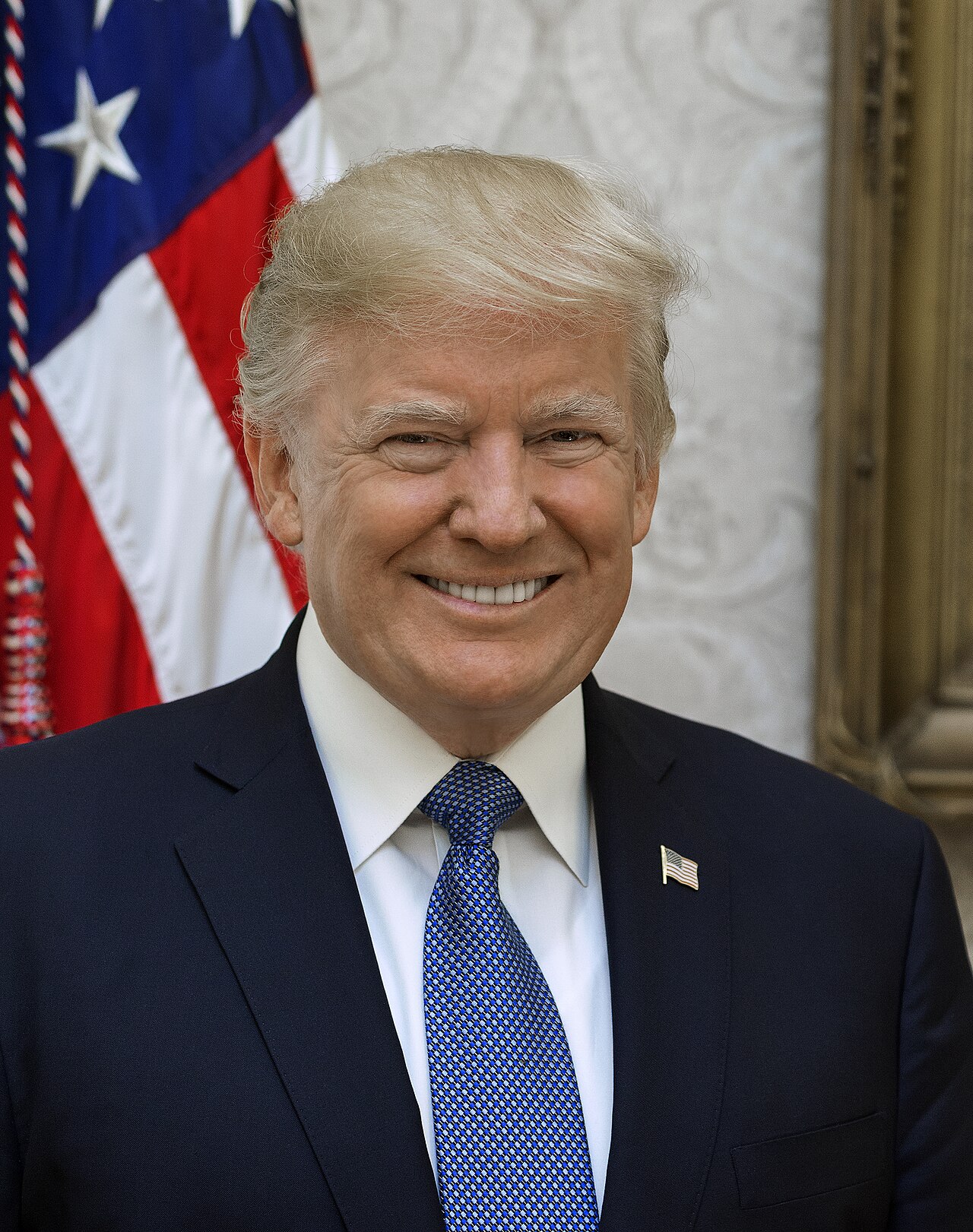
Sheinbaum stated, "If the United States does not send the letter today stating that it wants a 16-year extension, the treaty remains in force for its original term, which is the next 10 years, and in any case there would be a review every year." Marcelo Ebrard, Mexico's Secretary of Economy, added, "Replacing the current treaty with a different one would be extremely complex for the Trump administration, especially during an election period in the United States." Donald Trump returned to the U.S. presidency in January 2025.
Ebrard indicated, "We do not see the USMCA ceasing to be in force, otherwise there would not have been formal conversations throughout the year." He further stated, "It generates a lot of uncertainty. We are the two main partners: Mexico first, and Canada. You introduce a lot of uncertainty for a large number of companies in the U.S. and, more or less, probably 10 percentage points of the United States' gross domestic product are linked to this decision you are documenting. So I would not see any sense in it." Article 34.7 of the USMCA allows for the extension of the treaty in the months or years following the initial review period if all three parties agree.
Sheinbaum noted, "If in five months or three years the three parties say 'we can extend it for another 16 years,' it can be extended for another 16 years. That is to say, it is not that it cannot be extended again." Ebrard mentioned, "You are going to review some topics. For example, we currently have 13 topics, the U.S. has 14, and Canada will present its own in due course. But then next year they will not be the same, they will be fewer and fewer." Since January 2025, the Trump administration has imposed tariffs on various countries, including Mexico and Canada. These tariffs include a 25% tariff on Mexican products not covered by the USMCA, as well as on medium and heavy trucks. Additionally, a 50% tariff was imposed on steel and aluminum, and a 17% compensatory quota was placed on Mexican tomatoes.
Ildefonso Guajardo, a former Mexican Secretary of Economy who participated in the negotiations that led to the USMCA's creation, stated that Mexico approaches the review process with a "high degree of vulnerability" and amid "growing uncertainty" that has affected investment commitments in North America. Article 34.6 of the USMCA details the process for a country to withdraw from the treaty. A withdrawal notification takes effect six months after a country submits written notice to the other two member nations. The USMCA remains in force for countries that have not submitted a withdrawal notice.


forum Comments (0)
No comments yet. Be the first to comment.