
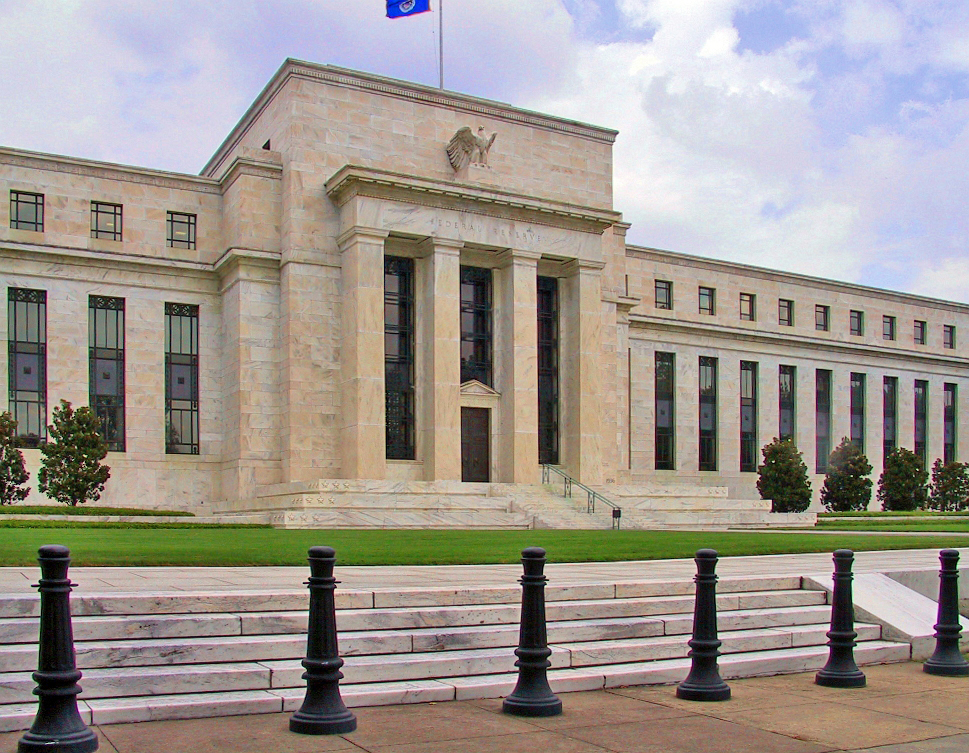
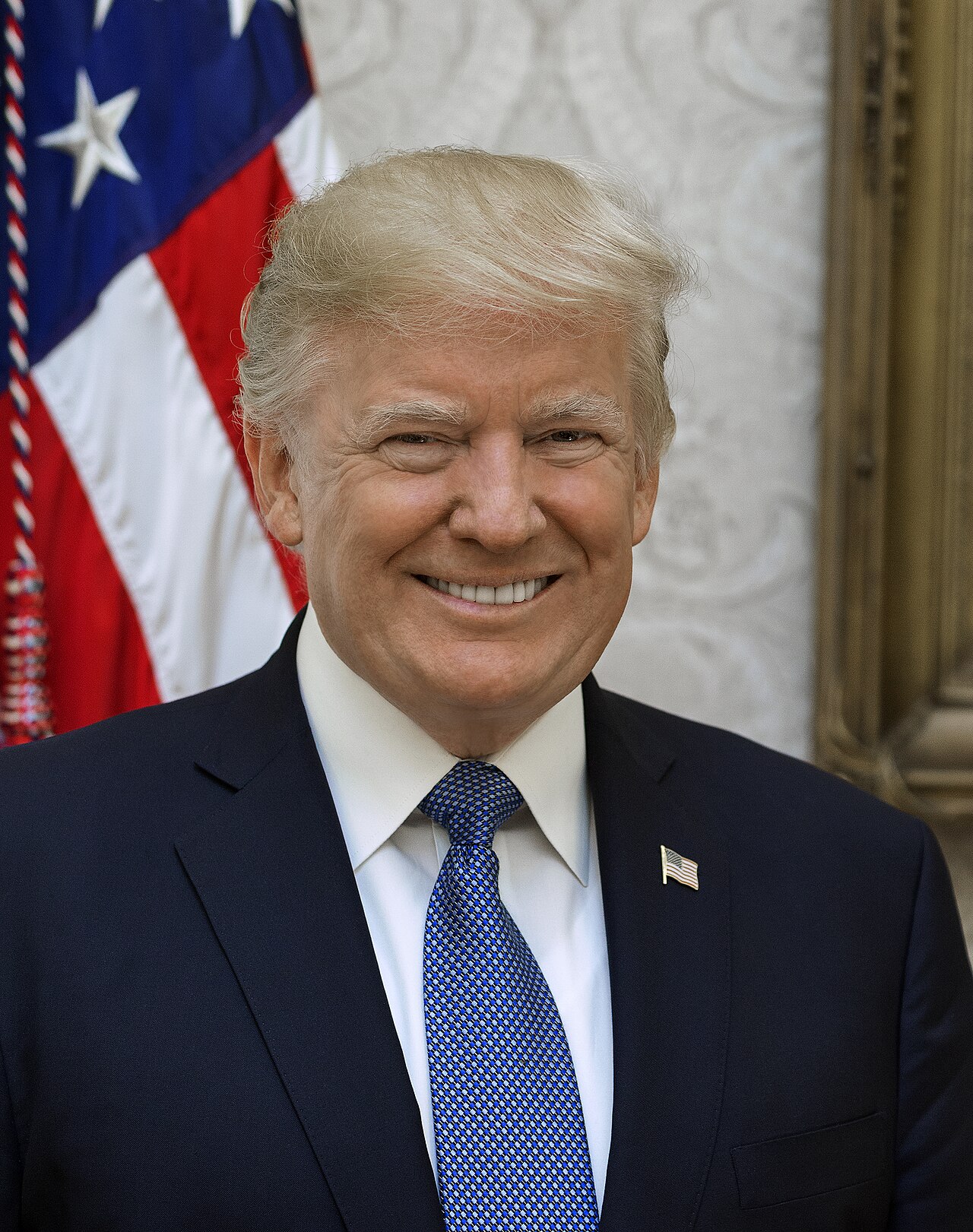
SINTRA — Federal Reserve Chair Kevin Warsh affirmed the central bank's independence and commitment to price stability during a central bank conference in Sintra, Portugal, on Wednesday, July 1, 2026. Warsh, who assumed the role on May 22, 2026, succeeding Jerome Powell, declined to provide specific guidance on future inflation-fighting measures.
Warsh stated that the Federal Reserve would seek to bring down inflation and noted that inflation expectations and risks had decreased over the first four months of the period. "We've been an independent central bank for a very long time. We're going to be an independent central bank at this moment and you're going to see no changes to that," Warsh said.
The Federal Reserve Chair indicated that the central bank would not accept inflation above 2%. "If businesses or households thought the Fed would accept inflation above 2%, I guess they'd be disappointed. We're going to deliver price stability," Warsh stated. The core Personal Consumption Expenditures index, which excludes volatile energy and food prices, had risen to 3.4% in May 2026, marking its highest level since October 2023. Federal Reserve officials now anticipate headline inflation will increase to 3.6% and core inflation to 3.3%, compared to previous projections of 2.7% for both.
Warsh declined to offer signals regarding the specific steps the Federal Reserve would take to address inflation, stating that the tactics and strategy are still to come. This position comes as Wall Street investors expect a potential hike in the Federal Reserve's key interest rate in September 2026. The key interest rate was approximately 3.6% in July 2026, with investor expectations for it to reach around 3.9%. In 2025, Warsh had called for lower interest rates.
Why It Matters
Kevin Warsh's statements at the central bank conference establish the Federal Reserve's stance under his new leadership on two key areas: independence and inflation. His emphasis on maintaining independence and delivering price stability, without providing explicit forward guidance, provides insight into the direction of monetary policy. The Federal Reserve's actions, particularly regarding interest rates and inflation targets, can influence economic conditions for businesses and households.


forum Comments (0)
No comments yet. Be the first to comment.