

WASHINGTON, D.C. — The National Labor Relations Board (NLRB) dismissed 34.7% of unfair labor practice charges filed by unions and 67.4% of those filed by workers from January 2025 to April 29, 2026, according to an analysis by the Center for American Progress.
The dismissal rate for union-filed charges during this period increased by 14.2% compared to 2024. For worker-filed charges, the 67.4% dismissal rate represents a 10.7% increase over the 2024 rate. The Center for American Progress conducted an analysis of more than 40,000 cases.
The NLRB experienced a workforce loss of more than 10% in 2025, with approximately 150 workers leaving and only eight new workers added during that year. In February 2026, Bloomberg reported that the NLRB's regional offices were understaffed by 23%. Labor lawyers have noted that unfair labor practice charge cases faced dismissal due to glitches or technicalities with the agency's docketing system.
Aurelia Glass, a policy analyst, said the trends affect organizers. "Workers who are trying to organize unions already really face an uphill battle because employers, they really get away with a slap on the wrist, even when they do break the law. These increases in dismissals are a really worrying sign for organizers who depend on the NLRB to be able to enforce these laws," Glass said.
In December 2025, the NLRB enacted changes to its case handling procedures. These new intake protocols require a charging party to submit substantial evidence through supporting documents within two weeks of filing a charge. In February 2026, Crystal Carey, general counsel of the NLRB, issued guidance emphasizing case resolution through settlements rather than litigation. "The procedural changes at their core make it easier for charges to be dismissed. That's really what they do," Glass said.
Congress has reduced the NLRB's budget. The NLRB declined to comment regarding the analysis.
Why It Matters
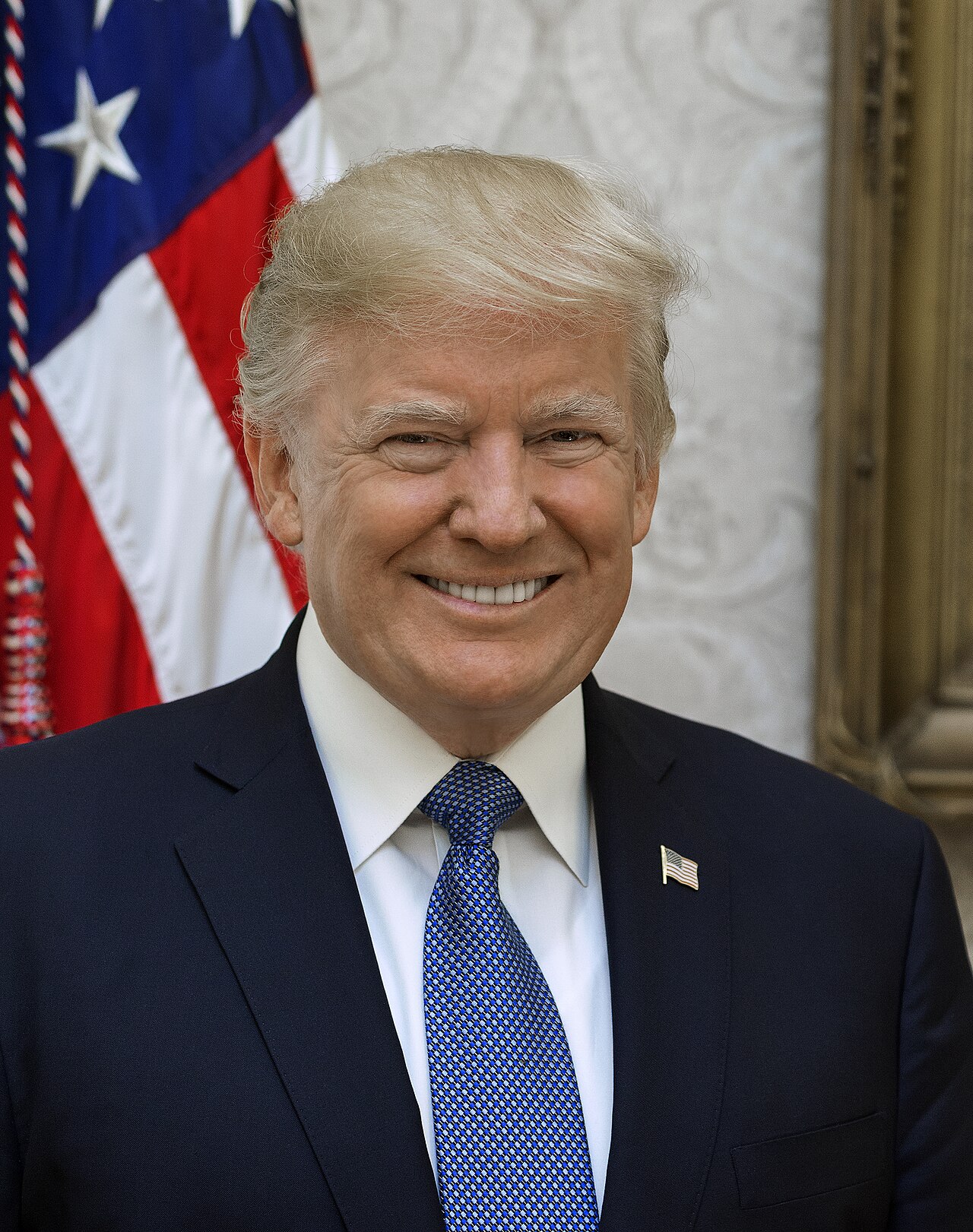
The increased dismissal rates for unfair labor practice charges filed by unions and workers indicate a shift in the National Labor Relations Board's handling of such cases. This trend occurs with operational changes within the agency, including staffing reductions and revised procedural protocols. The NLRB was without a quorum for 345 days after Donald Trump fired Gwynne Wilcox.
These developments may affect the ability of workers and unions to pursue their cases through the NLRB process. The agency's general counsel, Crystal Carey, appointed by Donald Trump, is a former attorney at Morgan Lewis, a union avoidance law firm. Her guidance favoring settlements and the new expedited evidence submission requirements suggest a move toward different methods of case resolution.


forum Comments (0)
No comments yet. Be the first to comment.