
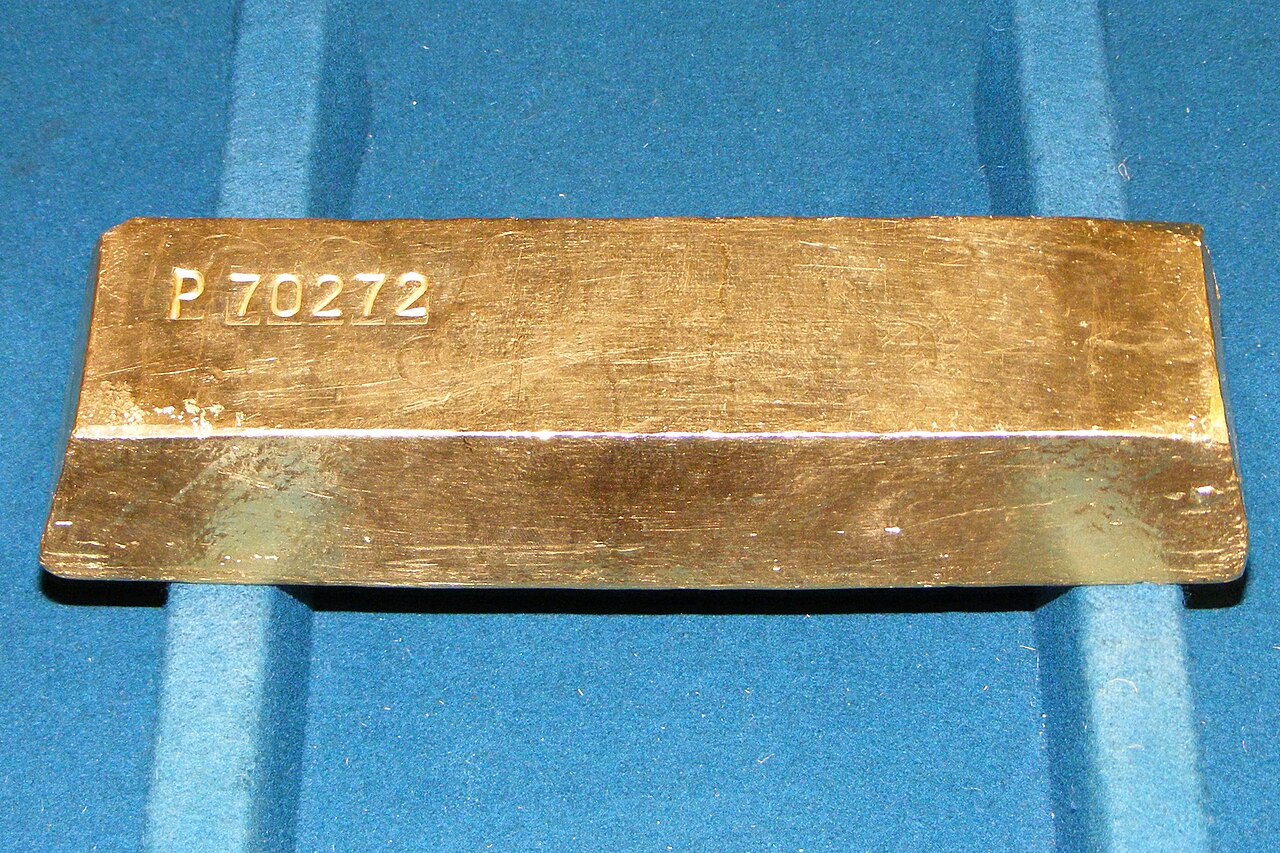
Gold futures decreased by 1.24% to $3,989.00 in early trading on Wednesday. Spot gold prices fell by 0.82% to $3,974.51 on the same day.
Gold prices experienced an approximate 16% decline during the three-month period that concluded on June 30. This interval marked the worst quarterly downturn for gold prices since the second quarter of 2013. The year-to-date decline for gold prices stood at 7.76% as of June 30, 2026.
Gold reached an all-time high value of $5,586.20 on January 29, 2026. Despite recent declines, Amundi Investment Institute stated in its mid-year Global Investment Outlook that gold demand is expected to receive support in the latter half of 2026. This projection is based on anticipated challenging monetary policy, high levels of public debt, and central bank diversification away from assets based in U.S. dollars.
Monica Defend, head of Amundi Investment Institute, indicated that current conditions present complexities for investors. "Investors face a world in which the independence of central banks is being tested, inflation is more volatile, and concentration risks are growing," Defend said. She further suggested strategies for portfolio construction. Defend added, "The best portfolios for this new regime can withstand different scenarios: they need to be diversified across currencies, invested in real assets and gold, and explore equity sectors and structural themes with discipline." Separately, the World Gold Council's annual Central Bank Gold Reserves survey found that a greater number of global central banks are prepared to augment their gold reserves over the coming year.
Why It Matters
The recent decline in gold prices to a three-year low for a quarterly period reflects shifting market dynamics. Gold is often viewed as a hedge against inflation and economic uncertainty. The predictions from the Amundi Investment Institute and the findings from the World Gold Council's survey suggest potential shifts in investment strategies among both institutional and sovereign entities. These changes could influence future gold market trends, particularly given concerns regarding monetary policy, public debt, and currency diversification.


forum Comments (0)
No comments yet. Be the first to comment.