
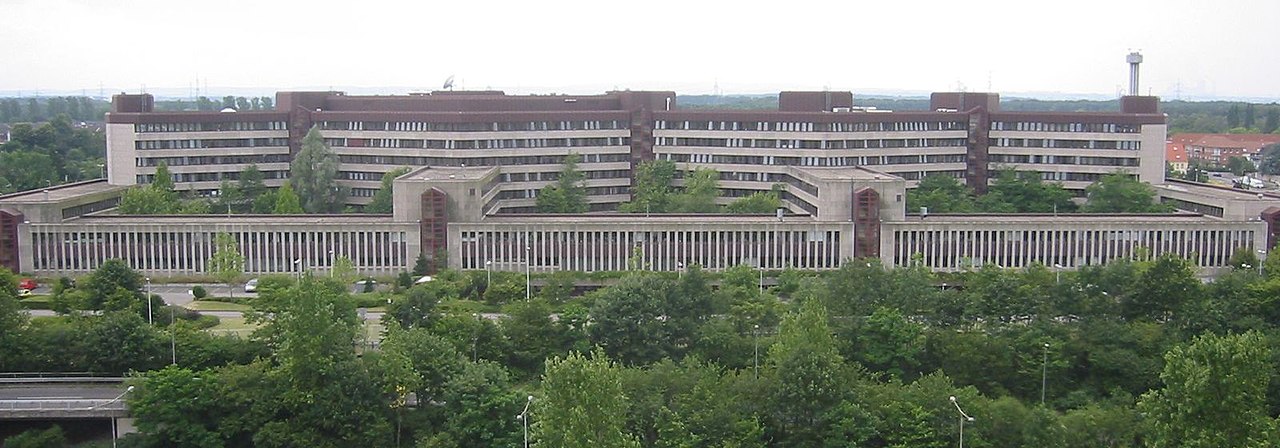
Germany's domestic intelligence service BfV and the interior ministry released a report on Tuesday, June 30, 2026, stating that the number of Alternative for Germany (AfD) members with potential for far-right extremism rose by 40% in 2025.
Approximately 28,000 of the AfD's 70,000 members were classified as having the potential for right-wing extremism, an increase from 20,000 the previous year. The report indicated no signs of the AfD moderating positions that draw scrutiny from intelligence services, and it found no indications that the party had distanced itself from positions concerning the BfV over the past year.
The BfV defines extremism as efforts directed against Germany's free democratic constitutional order. The report stated that the AfD espouses an ethnic ancestry-based conception of the German people. Courts have determined such a conception is incompatible with the constitution.
The report cited comments by Bjoern Hoecke, the AfD's leader in Thuringia, who referred to a UN resettlement program as "population replacement." The report described these comments as part of a process of "ideological homogenisation" within the party. It also noted that liberal-conservative positions are scarcely expressed publicly within the AfD.
The AfD rejects accusations that its views are extremist. The party has stated that the intelligence service's assessments are politically motivated. The report also concluded that right-wing extremism remains the greatest threat to democracy in Germany.
According to the report's authors, an increasing number of younger people are being attracted to right-wing extremism, particularly online. They also identified better networking and an increased shift towards violence among extremists as concerning trends.


forum Comments (0)
No comments yet. Be the first to comment.