Relevance: primary · Type: background
Confidence100%
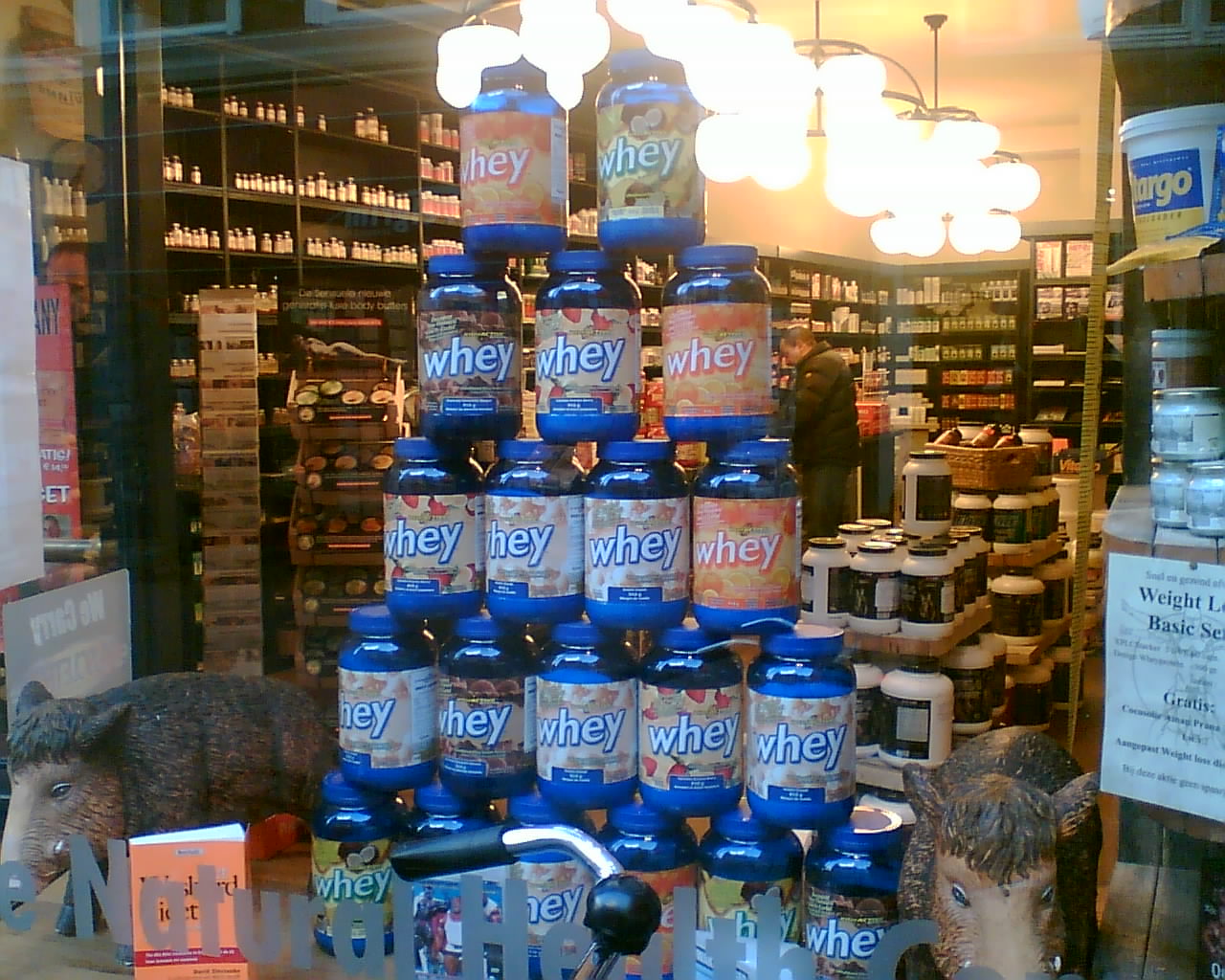
Whey protein concentrate is a byproduct of the cheese manufacturing process.
Relevance: primary · Type: event
Confidence100%
A USDA report from late April stated that some suppliers were sold out of whey protein for the latter half of the year.
Relevance: primary · Type: background
Confidence100%
U.S. whey protein end-of-month inventories have fallen by approximately 50 percent since 2023.
USDA, government agency
Relevance: primary · Type: quote
Confidence100%
"The market remains extremely tight, with product largely unavailable and buyers continuing to report difficulty securing supply."
Relevance: primary · Type: event
Confidence100%
Whey protein isolate prices have reached $14 per pound.
Relevance: supporting · Type: background
Confidence100%
Use of GLP-1 weight loss drugs requires users to increase protein consumption to avoid muscle loss.
USDA, government agency
Relevance: primary · Type: quote
Confidence100%
"The market remains extremely tight, with product largely unavailable and buyers continuing to report difficulty securing supply."
Phil Plourd, dairy analyst
Relevance: supporting · Type: quote
Confidence100%
"It's a multi-dimensional supply exercise."
Phil Plourd, dairy analyst
Relevance: supporting · Type: quote
Confidence100%
"Supply has grown, but it is hard for it to grow as fast as demand."
Relevance: primary · Type: background
Confidence100%
Whey is a byproduct of cheesemaking.
Relevance: primary · Type: background
Confidence100%
The processing capacity to convert liquid whey into powder is constrained.
Relevance: supporting · Type: background
Confidence100%
Additional specialized filtration infrastructure required for whey processing can take years to gain approval.
Phil Plourd, dairy analyst
Relevance: supporting · Type: quote
Confidence100%
"We have plenty of milk in the U.S. at the moment."
Phil Plourd, dairy analyst
Relevance: supporting · Type: quote
Confidence100%
"We've had decent milk growth for more than a year and a half now."
Phil Plourd, dairy analyst
Relevance: supporting · Type: quote
Confidence100%
"The issue is not milk from the farm."
Relevance: primary · Type: background
Confidence100%
Approximately 70 percent of Americans say they are trying to consume more protein, according to the International Food Information Council.
Relevance: supporting · Type: background
Confidence100%
The percentage of Americans trying to consume more protein was 59 percent four years prior to the current survey.
Wendy Reinhardt Kapsak, president and CEO
Relevance: supporting · Type: quote
Confidence100%
"Protein is riding a wave of popularity, powered by trends in weight management, fitness and healthy aging."
Wendy Reinhardt Kapsak, president and CEO
Relevance: supporting · Type: quote
Confidence100%
"Our data show it is the most sought-after nutrient, the most followed eating pattern, and the top characteristic consumers use to define a 'healthy' food."
Relevance: supporting · Type: background
Confidence100%
Doritos Protein uses casein as its protein ingredient.
Relevance: supporting · Type: background
Confidence100%
The TikTok and Instagram trend of "protein-maxxing" advises consuming one gram of protein per pound of body weight.
Relevance: supporting · Type: background
Confidence100%
The "protein-maxxing" trend advises cutting carbohydrates to get lean.
Relevance: primary · Type: event
Confidence100%
Four major medical societies published a joint set of nutritional guidelines for patients on GLP-1 receptors.
Relevance: primary · Type: background
Confidence100%
The joint nutritional guidelines advise patients to consume more protein to help avoid muscle loss.
Fatima Cody Stanford, obesity medicine physician scientist
Relevance: supporting · Type: quote
Confidence100%
"When you're on GLP-1s and a responder, you see a decline in the desire to eat or drink."
Fatima Cody Stanford, obesity medicine physician scientist
Relevance: supporting · Type: quote
Confidence100%
"We see a decline in lean muscle when patients are on GLP-1s, so we need to ramp up protein."
Fatima Cody Stanford, obesity medicine physician scientist
Relevance: supporting · Type: quote
Confidence100%
"People may realize it may be easier to drink their protein."
Relevance: supporting · Type: background
Confidence100%
David Steven Jacoby is the managing partner and supply chain and operations management practice leader at Boston Strategies.
Relevance: supporting · Type: background
Confidence100%
Suppliers typically require signed contracts, described as "bankable demand," before committing to financing for new infrastructure.
Relevance: supporting · Type: background
Confidence100%
David Steven Jacoby estimated that the cost of revamping a single plant is approximately $15 million.
Relevance: supporting · Type: background
Confidence100%
David Steven Jacoby estimated that hundreds of millions of dollars would be needed for large-scale industrial expansion of protein supply infrastructure.




forum Comments (0)
No comments yet. Be the first to comment.