
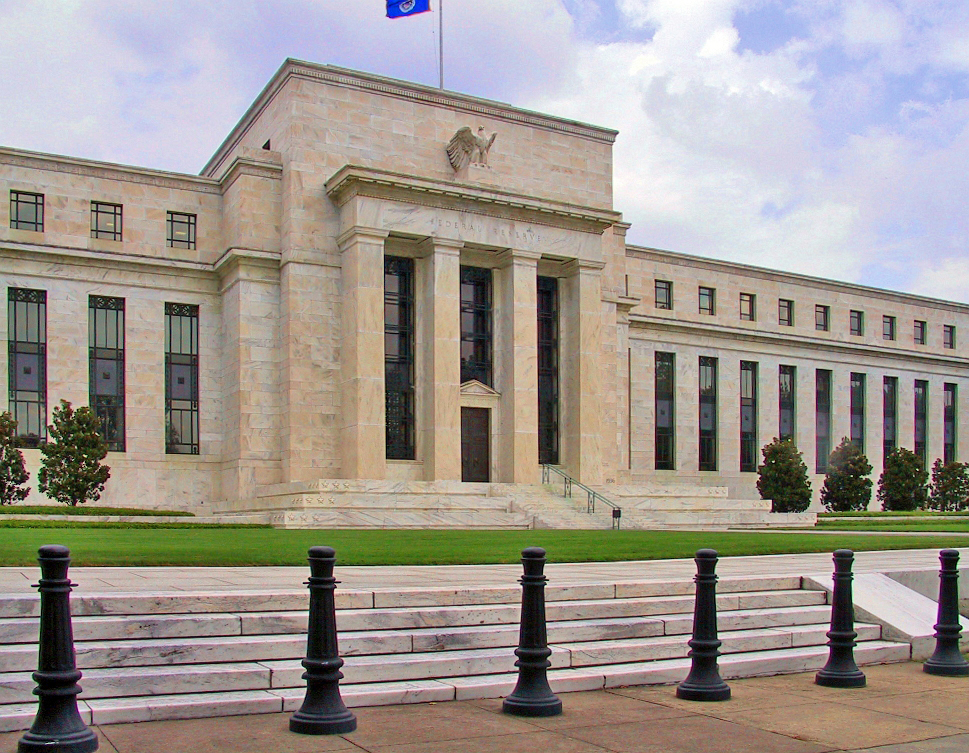
U.S. — The Federal Reserve released its annual stress test results on Wednesday. The examination found that all 32 major banks covered would remain above minimum capital requirements even under a severe global recession scenario.
The 32 banks examined demonstrated an ability to absorb over $708 billion in losses during a severe global recession. This would enable them to continue lending to households and businesses. The hypothetical scenario included unemployment surging to 10%, a 39% drop in commercial real estate prices, and a 30% decline in home prices.
The industry's common equity tier 1 capital ratio fell by 1.6 percentage points during the exercise but remained above the required minimums. Projected losses for the group included approximately $200 billion tied to credit cards, $160 billion from commercial and industrial loans, and $75 billion from commercial real estate.
Federal Reserve Vice Chair for Supervision Michelle Bowman commented on the findings. "Today's results underscore the strength of the banking system," Bowman said.
The results of this year's stress test will not impact the amount of capital large banks are required to hold. The Federal Reserve stated in February that it would leave the stress test buffers untouched until 2027.
KBW analysts described this year's exercise as "going through the motions" in a June 21 research note. KBW estimated that if this year's results had counted toward capital requirements, Morgan Stanley, Citigroup, Citizens Financial, and KeyCorp would have experienced some of the largest reductions in capital buffers. Banks are likely to remain focused on the pending Basel III Endgame proposal expected later this year rather than the stress test results themselves, according to the research note.


forum Comments (0)
No comments yet. Be the first to comment.