
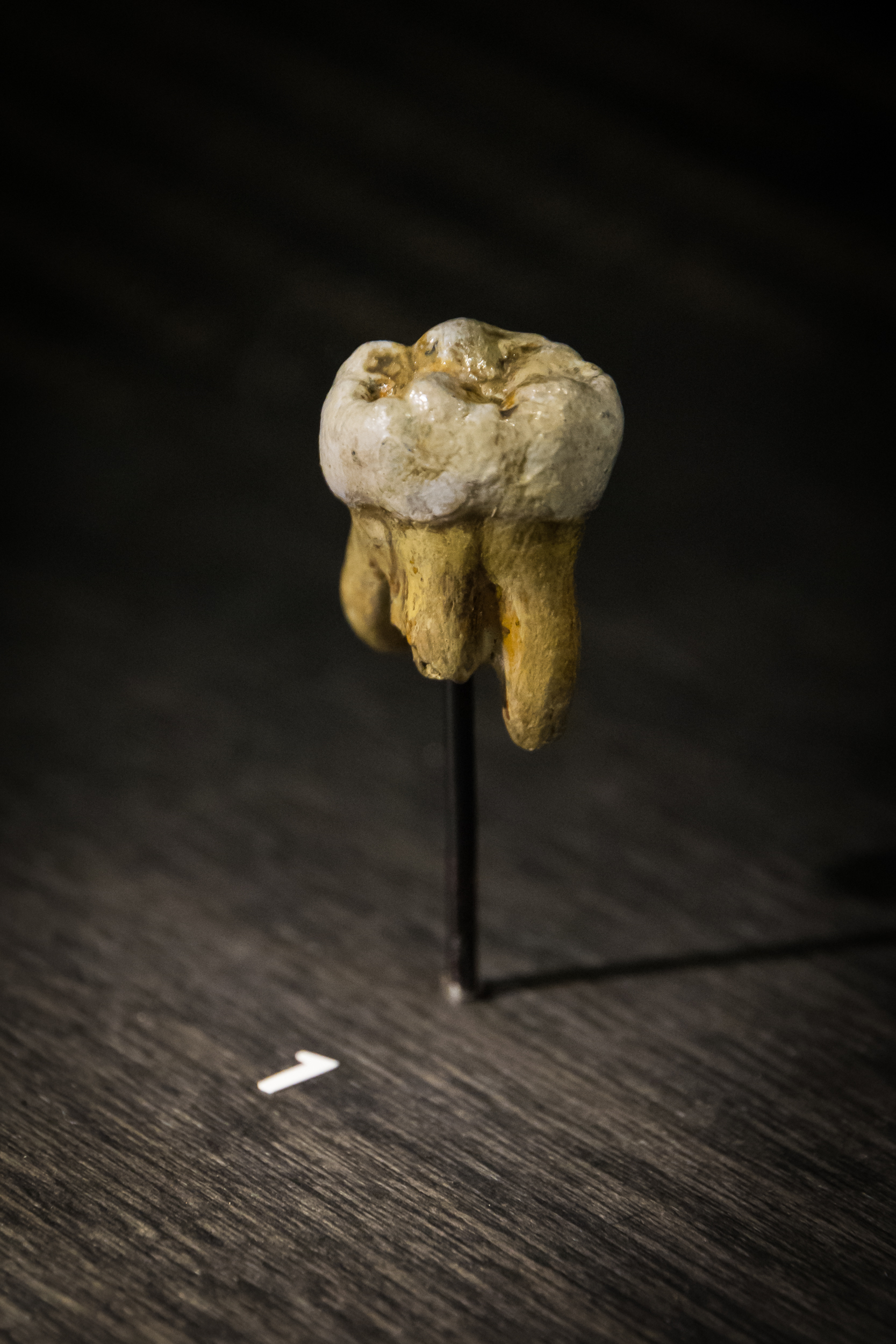
NEAR OCEANIA — A Yale University-led study published in the journal Science on June 11, 2026, revealed that ancestors of Near Oceanic populations interbred with at least three distinct groups related to Denisovans. The study also identified functional genetic variants influencing immunity and skeletal development.
Researchers sequenced the genomes of 177 individuals from 12 populations across Near Oceania, which includes Papua New Guinea, the Bismarck Archipelago, and the Solomon Islands. This new genomic data was combined with 1,284 previously published genomes from populations worldwide.
The analysis identified more than 3,100 genetic variants that alter gene expression. Many of these variants were linked to the interferon-gamma signaling pathway, which is a component of the immune system that helps protect against infectious diseases. Researchers also identified adaptive Denisovan variants in the TRPS1 gene, which is connected to skeletal development.
Serena Tucci, an assistant professor of anthropology at Yale University and the principal investigator of the Yale Human Evolutionary Genomics Laboratory, noted the historical underrepresentation of Oceanians in genomic research. "The drastic underrepresentation of Oceanians limits our understanding of human evolution and could exacerbate health inequalities as genomic research is used to develop novel medical treatments," Tucci said. "To fill that gap, my research team embarked on a large-scale project to expand what is known about human genetic variation, including genetic variants inherited from extinct hominins," she said.
Patrick Reilly, the first author of the study and an associate research scientist in the Yale Human Evolutionary Genomics Laboratory, stated that DNA from extinct hominins facilitated human adaptation. "DNA from extinct hominins -- Denisovans and Neanderthals -- helped facilitate human adaptation to diverse environments that people encountered as they migrated into this region of the world," Reilly said. "Pathogens are one of the strongest selective pressures -- environmental factors that affect our ability to survive -- throughout human evolution," he said.
Tucci explained that the study moved beyond simply retrieving this DNA to demonstrate how it actively regulates gene expression. "With this study we have moved beyond simply 'resurrecting' this DNA to showing how it actively turns genes on and off, which is game-changing," Tucci said. "This DNA is not just a remnant of ancient liaisons; it continues to influence our biology today," she said. Reilly indicated that inherited Denisovan genes bolstered immunity. "We find evidence that genes inherited from Denisovans bolstered immunity to viruses and bacteria ancient humans encountered in Near Oceania," he said.
Funding for the research was provided by the National Institute of General Medical Sciences and the National Human Genome Research Institute of the National Institutes of Health.


forum Comments (0)
No comments yet. Be the first to comment.