Relevance: primary · Type: event
Confidence100%
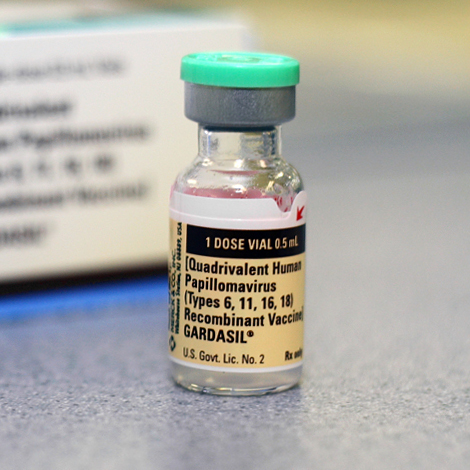
Researchers at Queen Mary University of London published a study in The Lancet analyzing the HPV vaccine's impact on cervical cancer mortality in England.
Relevance: supporting · Type: background
Confidence100%
Cancer Research UK funded the research.
Relevance: supporting · Type: background
Confidence100%
England introduced the HPV vaccine for school-age girls in 2008.
Relevance: primary · Type: background
Confidence100%
Children vaccinated against HPV at ages 12 to 13 have close to zero risk of dying from cervical cancer before age 30.
Relevance: primary · Type: event
Confidence100%
Zero cervical cancer deaths were recorded among women aged 20 to 24 in England between 2020 and 2024.
Relevance: primary · Type: background
Confidence100%
Approximately 23 cervical cancer deaths would have been expected in that age group without vaccination.
Relevance: primary · Type: event
Confidence100%
Approximately 200 lives have been saved in England from cervical cancer due to the vaccine.
Relevance: primary · Type: event
Confidence100%
Cervical cancer deaths declined by 80 percent between 2015 and 2019 among 20- to 24-year-olds who received the vaccine.
Relevance: supporting · Type: background
Confidence100%
Twenty-five women aged 20 to 24 died of cervical cancer between 2000 and 2004.
Relevance: supporting · Type: background
Confidence100%
Sixteen women aged 20 to 24 died of cervical cancer between 2005 and 2009.
Relevance: supporting · Type: background
Confidence100%
Twenty-seven women aged 20 to 24 died of cervical cancer between 2010 and 2014.
Relevance: supporting · Type: background
Confidence100%
Five women aged 20 to 24 died of cervical cancer between 2015 and 2019.
Relevance: supporting · Type: background
Confidence100%
Cervical cancer is the 14th most common cancer among females in the U.K., with approximately 3,300 diagnoses annually.
Relevance: supporting · Type: background
Confidence100%
Human papillomavirus causes 99 percent of cervical cancer cases.
Relevance: supporting · Type: background
Confidence100%
Human papillomavirus spreads through close skin-to-skin contact.
Relevance: supporting · Type: background
Confidence100%
Most human papillomavirus infections clear without medical intervention, while some cause abnormal cell changes that can lead to cancer.
Relevance: primary · Type: background
Confidence100%
Vaccination rates for human papillomavirus among girls in England were 76 percent by age 15 in 2024 to 2025.
Relevance: primary · Type: background
Confidence100%
The World Health Organization states that 90 percent vaccination coverage is required to eliminate cervical cancer.
Relevance: primary · Type: event
Confidence100%
The U.K. government has pledged to eliminate cervical cancer as a public health problem by 2040.
Relevance: supporting · Type: background
Confidence100%
Women aged 25 to 64 in the U.K. are advised to attend cervical screening.
Relevance: supporting · Type: background
Confidence100%
The U.K. began offering the human papillomavirus vaccine to boys in 2019.
Relevance: supporting · Type: background
Confidence100%
The human papillomavirus vaccine helps protect males against anal, penile, throat, and mouth cancers.
Relevance: supporting · Type: action
Confidence100%
England's Department of Health and Social Care is rolling out catch-up human papillomavirus vaccination campaigns via community pharmacies.
Relevance: supporting · Type: action
Confidence100%
Human papillomavirus self-testing kits are being distributed to women who have not attended cervical screening.
Relevance: supporting · Type: background
Confidence100%
In approximately 90 percent of cases, the human immune system clears human papillomavirus infection naturally within two years.
Relevance: supporting · Type: background
Confidence100%
Cervical cancer is the fourth most common cancer in women globally, with approximately 660,000 new cases annually.
Peter Sasieni, Professor at Queen Mary University of London
Relevance: primary · Type: quote
Confidence100%
"It's incredible to think that a single jab can almost eliminate a particular type of cancer."
Michelle Mitchell, Chief Executive of Cancer Research UK
Relevance: primary · Type: quote
Confidence100%
"We know the HPV vaccine is extremely effective at stopping cervical cancer before it starts and for the first time these findings show it is saving lives."
Alexandra Legg
Relevance: supporting · Type: quote
Confidence100%
"I'm a real advocate for this vaccine and when Ivy is old enough, she'll be first in the queue."
Allison Portnoy, Assistant Professor of Global Health at Boston University School of Public Health
Relevance: supporting · Type: quote
Confidence100%
"The study makes an important contribution to the literature on the population-level impact of HPV vaccination by connecting mortality data and HPV vaccine coverage data, but these are indeed population-level rather than individual-level data."



forum Comments (0)
No comments yet. Be the first to comment.