Relevance: primary · Type: background
Confidence100%
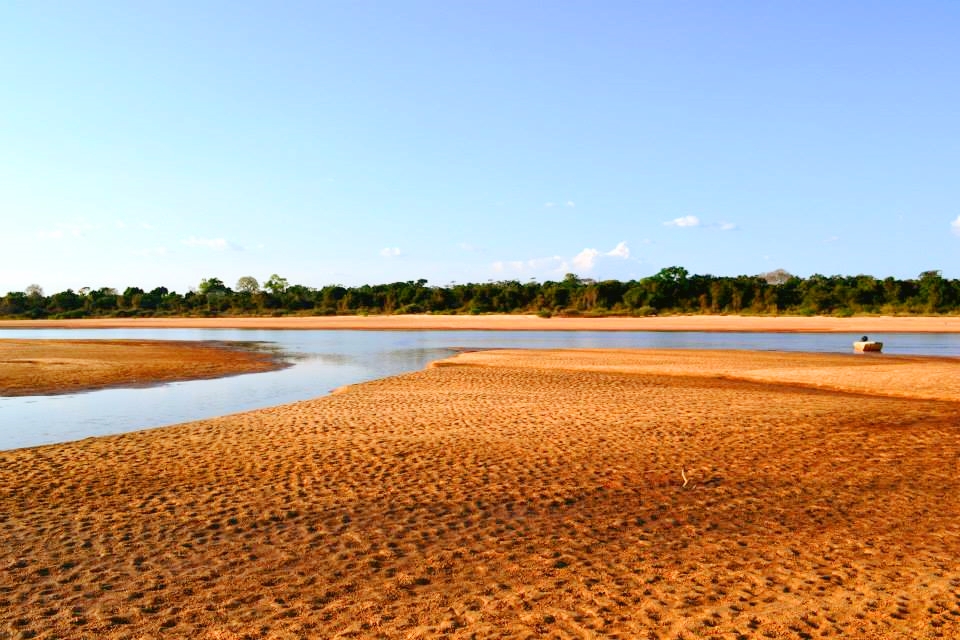
Bananal Island is in northern Brazil.
Relevance: primary · Type: background
Confidence100%
Ban Island is the world's largest river island.
Relevance: primary · Type: event
Confidence100%
Federal authorities ordered the removal of cattle herds from protected Indigenous territory on Bananal Island in the past year.
Federal authorities, Federal authorities
Relevance: supporting · Type: quote
Confidence100%
Federal authorities stated that the land is reserved for Indigenous peoples and conservation.
Relevance: supporting · Type: quote
Confidence100%
Federal authorities asserted that cattle herds kept on Bananal Island by outside ranchers were illegal and contributed to habitat degradation.
Relevance: primary · Type: event
Confidence100%
Wranglers drove more than 100,000 cattle off Bananal Island when river levels were low to comply with removal orders.
Relevance: primary · Type: event
Confidence100%
The removal of cattle has created economic problems for Indigenous residents who relied on revenue from leasing land to ranchers.
Relevance: supporting · Type: background
Confidence100%
Brazil is the world's largest beef producer.
Relevance: supporting · Type: background
Confidence100%
Brazil accounts for approximately 20% of global beef output and 6% of the country's gross domestic product.
Relevance: supporting · Type: background
Confidence100%
Tocantins state, home to Bananal Island, was among the states with Brazil's highest deforestation levels in 2025, according to MapBiomas.
Relevance: supporting · Type: background
Confidence90%
Biodiversity is threatened as trees that absorb carbon are replaced by cattle that emit methane, a greenhouse gas.
Relevance: supporting · Type: background
Confidence100%
Brazilian law prohibits commercial activity on Indigenous lands.
Relevance: supporting · Type: background
Confidence100%
Brazilian law allows cattle raising on Indigenous lands only for subsistence purposes.
Relevance: supporting · Type: background
Confidence100%
Parts of Bananal Island were leased for cattle ranching for decades through an informal system.
Relevance: supporting · Type: background
Confidence100%
Under the informal leasing system, ranchers paid village leaders approximately 15 reais ($3) per head monthly, compared to about 60 reais ($12) outside the island.
Relevance: supporting · Type: background
Confidence100%
When over 100,000 head of cattle were on the island, monthly revenue from leasing could reach 1.5 million reais ($290,000).
Relevance: supporting · Type: background
Confidence100%
Leasing payments went to Indigenous chiefs, who distributed part of the funds to local associations.
Cleiton Javae, Chief of Txuiri village
Relevance: supporting · Type: quote
Confidence100%
"Cattle, over the years, have covered many of our community's expenses," said Cleiton Javae, chief of Txuiri village.
Leandro Milhomem, Chief of IBAMA in Tocantins
Relevance: supporting · Type: quote
Confidence100%
Leandro Milhomem, the chief of IBAMA's Tocantins office, stated that some Indigenous chiefs had significant resources while children in the same community died of malnutrition.
Relevance: supporting · Type: action
Confidence90%
Indigenous residents reported that wranglers fenced off parts of the island and restricted access to communal farming areas.
Cleiton Javae, Chief of Txuiri village
Relevance: supporting · Type: quote
Confidence100%
"The situation became unsustainable, and removing the cattle was the only alternative," said Cleiton Javae.
Relevance: supporting · Type: action
Confidence100%
In March, environmental authorities seized 550 head of cattle and issued 21 citations on Bananal Island.
Relevance: supporting · Type: background
Confidence100%
One citation referenced a wrangler who stated an Indigenous chief instructed him to falsely claim the herd was Indigenous-owned to avoid sanctions.
Relevance: background · Type: background
Confidence100%
Bananal Island lies between the Javae and Araguaia rivers at the junction of Tocantins, Mato Grosso, and Para states.
Relevance: background · Type: background
Confidence90%
European colonizers found the island inhabited by Indigenous peoples and covered with wild banana groves in the late 18th century.
Relevance: background · Type: background
Confidence100%
Wild banana groves on the island inspired its Portuguese name, Ilha do Bananal.
Relevance: supporting · Type: background
Confidence100%
The Brazilian government designated the region as a protected area in the 1950s.
Relevance: supporting · Type: background
Confidence100%
Cattle ranching on Bananal Island has caused soil acidification, according to Brazil's environmental agency.
Relevance: supporting · Type: background
Confidence90%
Investigations found that blazes on Bananal Island often started near grazing areas.
Relevance: background · Type: background
Confidence100%
Three Indigenous groups live on Bananal Island: the Javae, Karaja, and Ava-Canoeiro.
Relevance: background · Type: background
Confidence100%
The Javae people have long maintained close ties with non-Indigenous ranchers on the island.
Relevance: background · Type: background
Confidence90%
Many outsiders married Indigenous women and settled on Bananal Island.
Relevance: supporting · Type: action
Confidence100%
The Javae people are working with a nonprofit organization to develop a land management plan on the island.
Relevance: supporting · Type: background
Confidence100%
Today, the Macuxi people collectively own approximately 45,000 head of cattle.
Relevance: supporting · Type: background
Confidence100%
In February, Brazilian Supreme Court Justice Flávio Dino ruled that the Cinta Larga people have the right to mine within their own territory.
Confidence100%
"You can't apply a single model as a template for other Indigenous lands. Instead, must tailor plans to each region, each territory, each people," said Ivo Aureliano Macuxi.


forum Comments (0)
No comments yet. Be the first to comment.