Relevance: primary · Type: event
Confidence100%
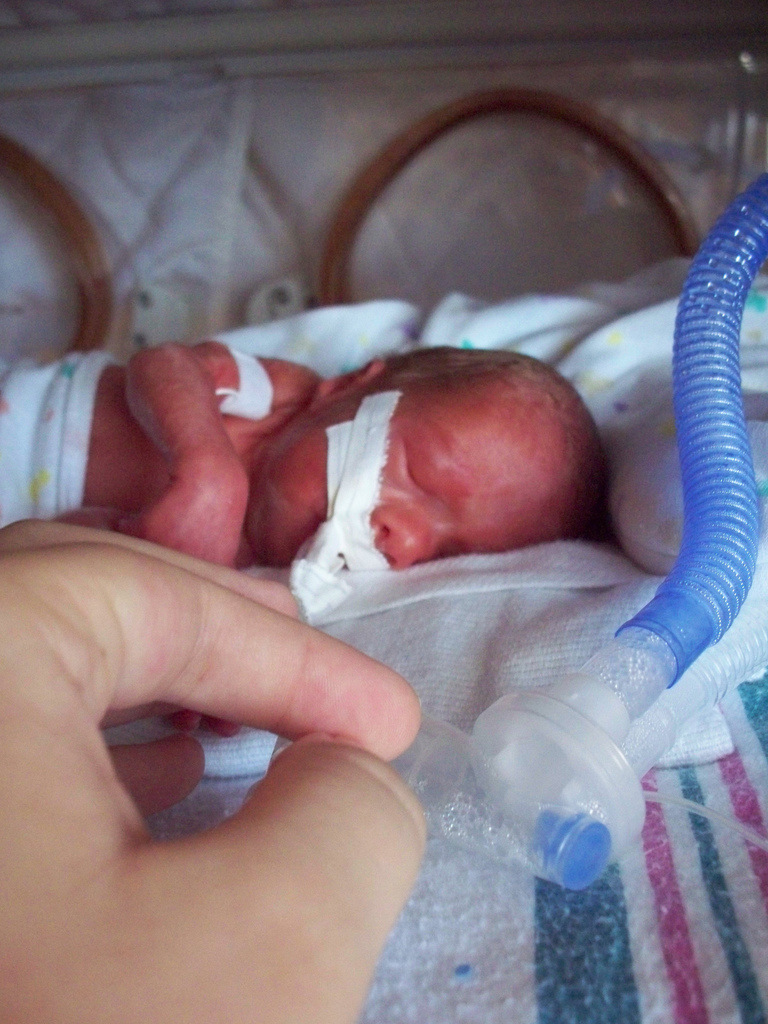
Marharyta Nekhoroshyva gave birth to a son after 26 weeks of pregnancy.
Relevance: supporting · Type: event
Confidence100%
Marharyta Nekhoroshyva's son weighed 940 grams at birth.
Relevance: supporting · Type: event
Confidence100%
Mark requires frequent hospital stays for chronic breathing problems.
Relevance: supporting · Type: background
Confidence100%
Marharyta Nekhoroshyva's husband serves in the military.
Relevance: supporting · Type: event
Confidence100%
Hospitals in Zaporizhzhia have boarded up windows to prevent glass from shattering during Russian strikes.
Relevance: supporting · Type: action
Confidence100%
Mothers and premature infants descend to a shelter each night at the main children's hospital in Zaporizhzhia.
Relevance: primary · Type: event
Confidence100%
United Nations data indicates the preterm birth rate in Kherson region increased from 5.4% in 2019 to 9.8% in 2025.
Relevance: primary · Type: event
Confidence100%
United Nations data indicates the preterm birth rate in Zaporizhzhia region increased from 5.7% in 2019 to 7.6% in 2025.
Relevance: primary · Type: event
Confidence100%
Scientific studies indicate the preterm birth rate in Poltava region increased from 7.7% in 2019 to 9.8% in 2025.
Relevance: supporting · Type: background
Confidence100%
The front line cuts through the Kherson and Zaporizhzhia regions.
Relevance: supporting · Type: event
Confidence100%
The Kherson and Zaporizhzhia regions frequently experience attacks on residential areas.
Relevance: supporting · Type: event
Confidence100%
Poltava region frequently experiences aerial strikes.
Relevance: supporting · Type: background
Confidence100%
Dr. Andrew Weeks is a professor of international maternal healthcare at the University of Liverpool.
Andrew Weeks, professor of international maternal healthcare at the University of Liverpool
Relevance: primary · Type: quote
Confidence100%
Dr. Andrew Weeks, professor of international maternal healthcare at the University of Liverpool, said, "Premature birth is very affected by infection."
Andrew Weeks, professor of international maternal healthcare at the University of Liverpool
Relevance: primary · Type: quote
Confidence100%
Dr. Andrew Weeks, professor of international maternal healthcare at the University of Liverpool, said, "And if you can’t get to a place where you can get appropriate diagnosis and treatment early, then actually the chance of you going into premature labor is higher."
Relevance: supporting · Type: background
Confidence100%
Isaac Hurskin is a spokesperson for the U.N. Population Fund.
Isaac Hurskin, spokesperson for the U.N. Population Fund
Relevance: primary · Type: quote
Confidence100%
Isaac Hurskin, spokesperson for the U.N. Population Fund, said, "We’re seeing this real link between acute stress and birthing and pregnancy-related complications."
Relevance: primary · Type: event
Confidence100%
Isaac Hurskin stated that Ukraine’s fertility rate has dropped to roughly one child per woman over the past three years.
Relevance: supporting · Type: background
Confidence100%
Isaac Hurskin stated that a 2.1 child per woman rate is the replacement rate.
Relevance: supporting · Type: event
Confidence100%
A premature infant in the Zaporizhzhia maternity hospital intensive care unit was born at 30 weeks weighing 700 grams.
Relevance: supporting · Type: background
Confidence100%
The World Health Organization classifies birth weight below 2,500 grams as low birth weight.
Relevance: supporting · Type: background
Confidence100%
Andrii Lobanov is the head of the neonatal intensive care at Zaporizhzhia’s children’s hospital.
Andrii Lobanov, head of the neonatal intensive care at Zaporizhzhia’s children’s hospital
Relevance: supporting · Type: quote
Confidence100%
Dr. Andrii Lobanov, head of the neonatal intensive care at Zaporizhzhia’s children’s hospital, said that oxygen levels for premature infants must be managed precisely to prevent abnormal blood vessel growth in the eyes.
Andrii Lobanov, head of the neonatal intensive care at Zaporizhzhia’s children’s hospital
Relevance: supporting · Type: quote
Confidence100%
Dr. Andrii Lobanov, head of the neonatal intensive care at Zaporizhzhia’s children’s hospital, said, "It is very expensive and of course a country in a war situation has to decide what it’s going to spend on, so hospital services invariably get hit. Both literally and metaphorically."
Relevance: supporting · Type: background
Confidence100%
Nataliia Bohuslavska is the head of the neonatal unit at the maternity hospital in Zaporizhzhia.
Relevance: supporting · Type: background
Confidence100%
Nataliia Bohuslavska has worked at the Zaporizhzhia maternity hospital for 26 years.
Relevance: primary · Type: event
Confidence100%
A Russian glide bomb struck a commercial area in Zaporizhzhia and killed at least 12 people.
Relevance: primary · Type: event
Confidence100%
On the day of the commercial strike in Zaporizhzhia, hospital doctors performed two cesarean sections and delivered one baby.
Relevance: primary · Type: event
Confidence100%
Hospital doctors treated a 42-year-old woman who miscarried after witnessing an airstrike.
Nataliia Bohuslavska, head of the neonatal unit at the maternity hospital in Zaporizhzhia
Relevance: primary · Type: quote
Confidence100%
Dr. Nataliia Bohuslavska, head of the neonatal unit at the maternity hospital in Zaporizhzhia, said, "She wonders what kind of world her child will be born into, under what conditions the birth will happen, and whether it will be a moment of joy or one gripped by fear with shells exploding nearby."
Nataliia Bohuslavska, head of the neonatal unit at the maternity hospital in Zaporizhzhia
Relevance: primary · Type: quote
Confidence100%
Dr. Nataliia Bohuslavska, head of the neonatal unit at the maternity hospital in Zaporizhzhia, said, "When a patient calls to say her husband has been killed in the war, the only thing I can tell her is: ‘Come to us. We will take care of you.’"
Nataliia Bohuslavska, head of the neonatal unit at the maternity hospital in Zaporizhzhia
Relevance: primary · Type: quote
Confidence100%
Dr. Nataliia Bohuslavska, head of the neonatal unit at the maternity hospital in Zaporizhzhia, said, "We have to support her constantly, so that even in the midst of this terrible loss, she can find the strength to give new life a chance and save her baby."
Relevance: supporting · Type: background
Confidence100%
Mariia Skladan has a rare liver disease.
Relevance: supporting · Type: event
Confidence100%
Mariia Skladan's daughter was born at 26 weeks weighing 740 grams.
Relevance: supporting · Type: event
Confidence100%
Mariia Skladan's daughter was discharged from the hospital five months after birth weighing 3.5 kilograms.
Mariia Skladan, mother
Relevance: primary · Type: quote
Confidence100%
Mariia Skladan, mother, said, "If there’s a war, what does it mean? Not to live?"
Mariia Skladan, mother
Relevance: primary · Type: quote
Confidence100%
Mariia Skladan, mother, said, "You want to keep going."
Marharyta Nekhoroshyva, mother
Relevance: primary · Type: quote
Confidence100%
Marharyta Nekhoroshyva, mother, said, "I don’t believe in God, but I was praying."
Marharyta Nekhoroshyva, mother
Relevance: primary · Type: quote
Confidence100%
Marharyta Nekhoroshyva, mother, said, "The doctors told me that if he survived the first three days, everything would be OK."



forum Comments (0)
No comments yet. Be the first to comment.