
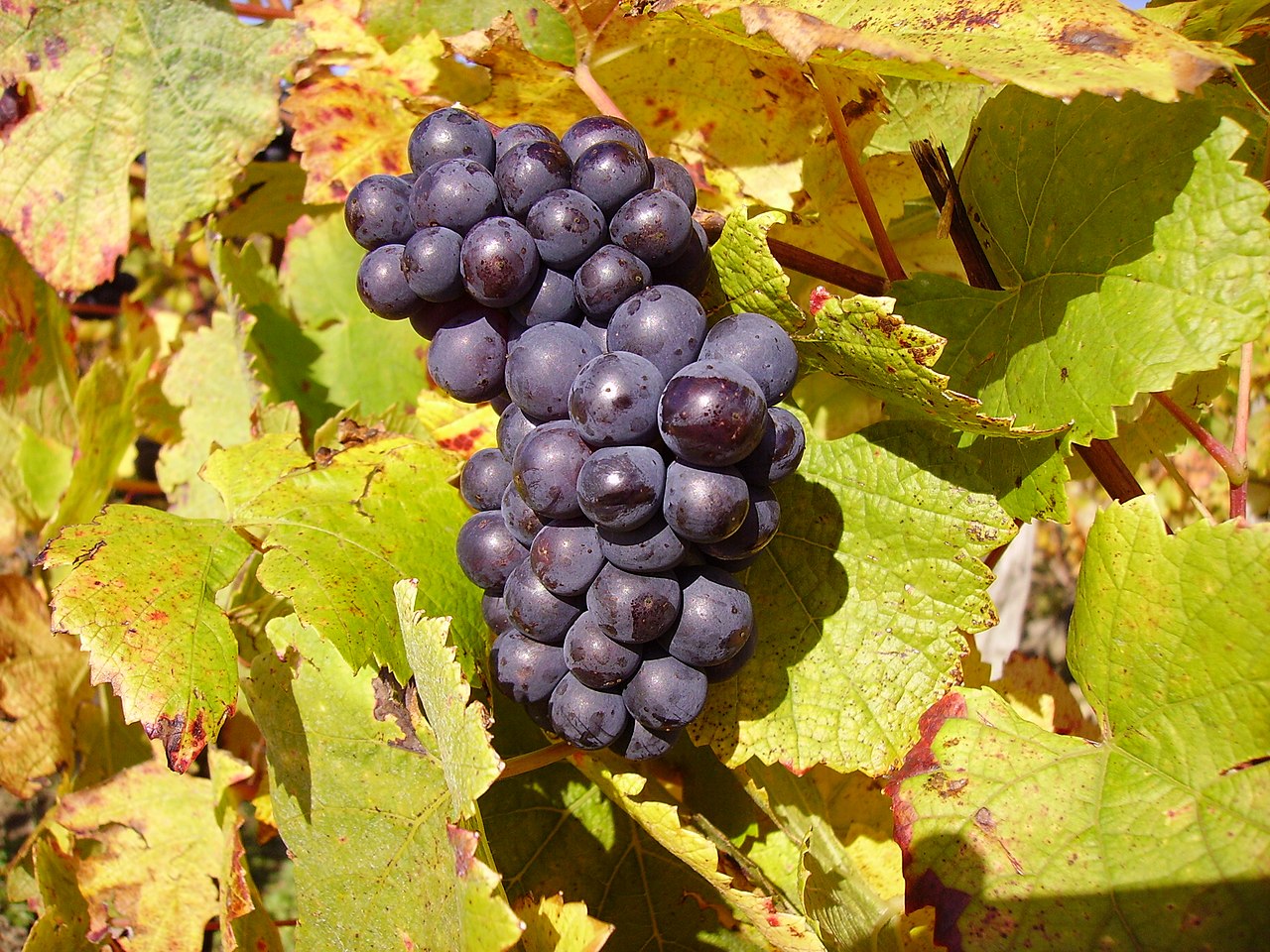
VALENCIENNES — Researchers sequenced a 600-year-old grape seed discovered in the toilet of a 15th-century hospital in Valenciennes, northern France, and found it genetically identical to modern pinot noir grapes. The genome sequencing confirms that winegrowers have used clonal propagation techniques, such as preserving cuttings of specific grape varieties, for at least 600 years.
The study, published in the journal Nature Communications, involved sequencing the genomes of 54 grape seeds dating from around 2300 BC to the Middle Ages. The seed is genetically identical to grapes still used to produce pinot noir wine.
The research found evidence that clonal propagation techniques were used in many areas as early as around 625–500 BC. The oldest grapes analyzed in the study were from wild vines in the French region of Nimes dated to around 2000 BC.
Domesticated grape vines appeared between 625 and 500 BC in France's southern Var region. Colonizing Greeks introduced viticulture to France after founding the city of Marseille. Archaeological finds of amphora jugs indicate that wine was traded in ancient times by the Greeks and the Etruscans.
DNA of grape seeds from the ancient Roman period revealed long-distance exchanges of domesticated grape varieties from regions including Spain, the Balkans, the Caucasus, and the Middle East. DNA analysis showed genetic mixing between domesticated grape varieties and local wild vines during the Roman period, particularly in northern France.
People in France have been cultivating the pinot noir grape variety since at least the 1400s. The discovery dates to the 15th century, when the Hundred Years' War between England and France ended and Joan of Arc, the patron saint of France, lived.
Pinot noir is often associated with France's Burgundy region and is the fourth most widely grown grape variety in the world. France remains one of the world's leading wine-producing countries, with viticulture forming a cornerstone of its cultural heritage and rural economy.
The French wine industry contributes tens of billions of dollars annually and supports hundreds of thousands of jobs. In recent years, France has experienced increasingly higher temperatures and extreme weather conditions that have damaged its wine industry. In 2021, France recorded its smallest wine harvest since 1957 and lost more than $2 billion in sales.


forum Comments (0)
No comments yet. Be the first to comment.