
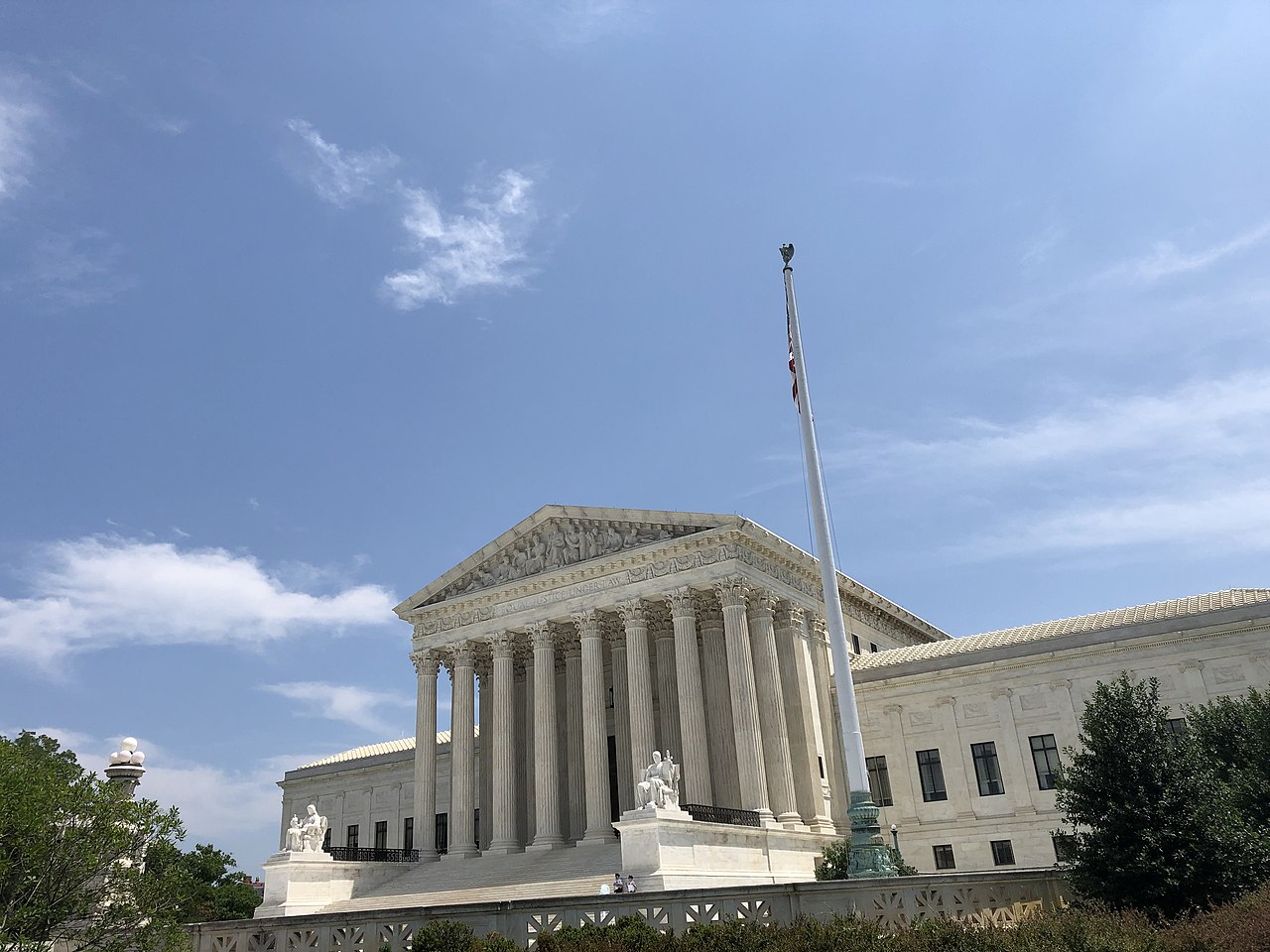
A citation analysis published in October 2025 found that federal courts increasingly treat Supreme Court emergency docket orders as precedential, with total citations to 342 substantive emergency cases rising 63% from 3,558 in April 2023 to 5,804 in October 2025. Every federal circuit cited emergency docket applications during that period, reflecting broad judicial reliance on these rulings.
The analysis, which examined 475 substantive emergency applications filed between 2000 and 2024, found that 53% had been cited by at least one federal court as of October 2025. Cases with written opinions were cited more frequently—68% received at least one citation and averaged 45 citations each—while 50% of cases without written opinions were cited, averaging 10 citations each and accumulating 3,957 citations collectively.
The median number of citations per emergency docket case doubled between April 2023 and October 2025. Regional courts showed increases: the 5th Circuit added 355 citations, an 89% rise, and the 9th Circuit reached 1,209 citations, up 86%. The 2nd, 4th, and D.C. Circuits also reported growth in citations during the same period.
Some emergency orders have drawn repeated judicial attention. Roman Catholic Diocese of Brooklyn v. Cuomo has received 627 federal court citations. In that case, the Supreme Court held that restrictions targeting religious entities while allowing comparable secular businesses likely violate the First Amendment and that even brief losses of First Amendment freedoms constitute irreparable harm.
The Supreme Court itself has cited 11% of emergency docket decisions from 2000 to 2024 in subsequent rulings, including in major merits opinions. In West Virginia v. EPA, the Court referenced Alabama Association of Realtors v. Department of Health and Human Services—an emergency order blocking the CDC’s eviction moratorium—as support for the major questions doctrine.
In August 2025, Justice Neil Gorsuch accused lower court judges of risking “anarchy” by questioning the precedential weight of emergency docket orders. Justice Samuel Alito stated in 2021 that such orders are not intended to establish precedent on the underlying issue. In Tandon v. Newsom, the Court faulted the 9th Circuit for failing to follow its prior emergency docket decisions.



forum Comments (0)
No comments yet. Be the first to comment.