
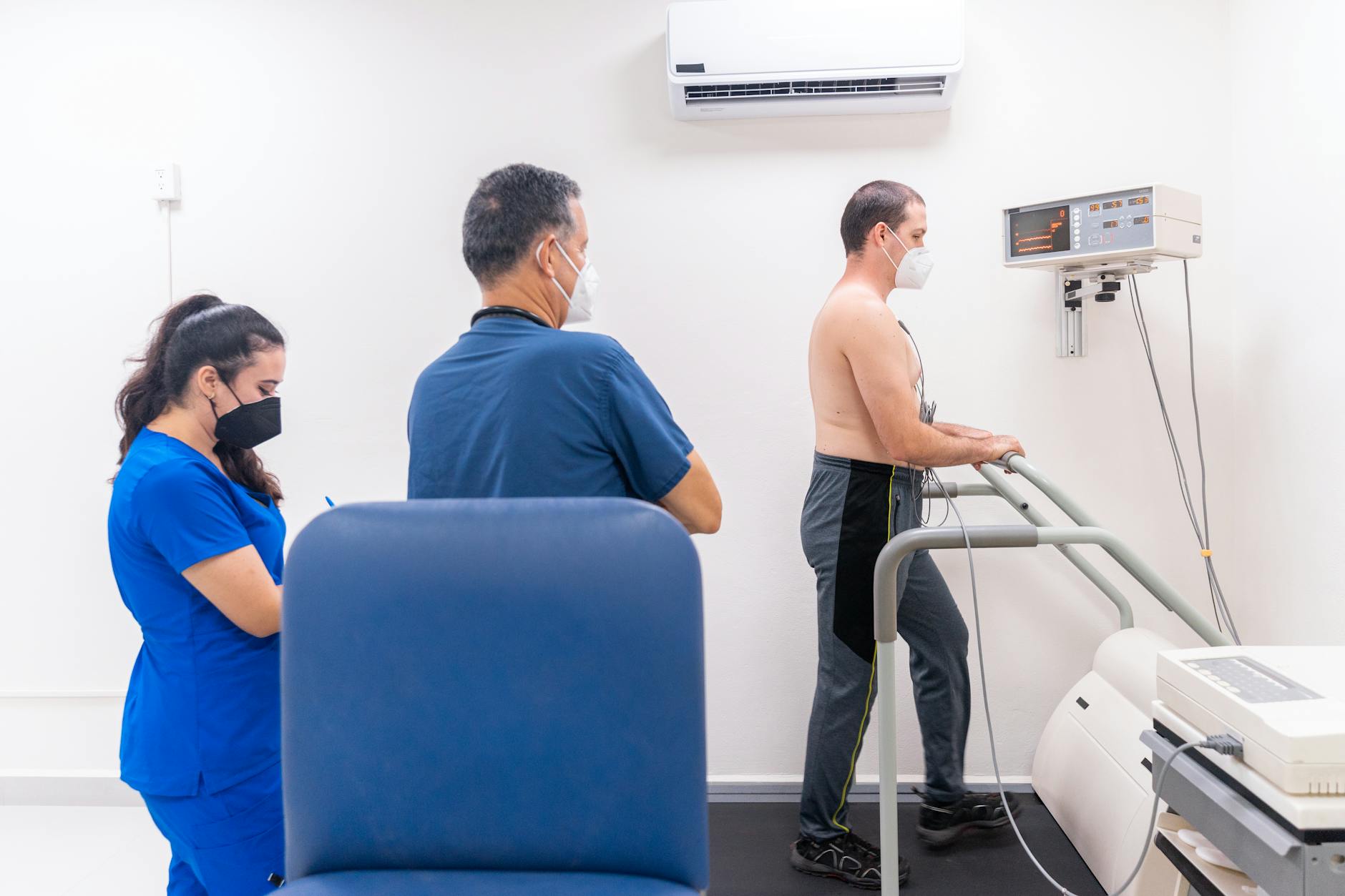
SOUTH OF ENGLAND — The UK National Screening Committee is reviewing whether all people aged over 14 should be screened for conditions associated with sudden cardiac death, with a public consultation on the potential national programme due this spring. No date for the consultation has been confirmed.
Bereaved parents from Buckinghamshire and Hampshire are supporting a campaign by Cardiac Risk in the Young for more funding for research and for the introduction of a national cardiac screening programme for all people aged over 14. Approximately 600 young people under 35 die from sudden cardiac arrest every year in the UK due to undiagnosed heart conditions, equating to about two deaths per day.
Adam Ankers played for Risborough Rangers in Buckinghamshire from a young age before joining the Wycombe Wanderers under-19s foundation team while studying a BTEC diploma in sport at Henley College. On 31 January 2024, he collapsed during the second half of a football match after complaining of chest pains. When paramedics arrived, the defibrillator was open next to him but not connected, and it was not used. He died in hospital on 4 February 2024 after suffering unsurvivable brain damage.
At his inquest, also held in 2024, neither the coaches nor the 999 call handler recognised Ankers's irregular, shallow breathing as a sign of cardiac arrest. A coroner ruled that the failure to recognise that Ankers was suffering from a cardiac arrest contributed to his death and recommended mandatory cardiac arrest training for all football coaches and referees, including at grassroots level. The Football Association argued at the inquest that making such training obligatory for referees could exclude children from refereeing, and said it was reviewing the coroner's findings and recommendations.
The NHS call handling system has picked up only 75% of cardiac arrests reported on 999 calls for the last 10 years. South Central Ambulance Service says changes have been made nationally so that a patient who collapses while taking part in sport is triaged as a potential cardiac arrest and given basic life support instructions, including use of a defibrillator if available.
After Ankers's death, the family discovered that a distant relative had been diagnosed with a genetic heart condition in 2018 but the wider family had not been informed of the diagnosis. Had the family been informed, Ankers could have been tested and measures taken to reduce his risk.
"We're losing 12 to 13 children or young people a week, it's a large number of people, it needs everybody involved. The more we train, the more people are aware of the situation happening up and down the country then we can all work together," said Naomi Wakefield, Ankers's mother.
Matthew Dunning, 20, died suddenly and unexpectedly in September 2025 in his bedroom at his student accommodation at the University of Surrey. In 2022, he had undergone tests at Salisbury Hospital in Wiltshire after passing out during a tag-rugby match at school and was fitted with a loop recorder to monitor his heart. Medical experts found no structural abnormalities in his heart and no inherited genetic condition after his death.


forum Comments (0)
No comments yet. Be the first to comment.