
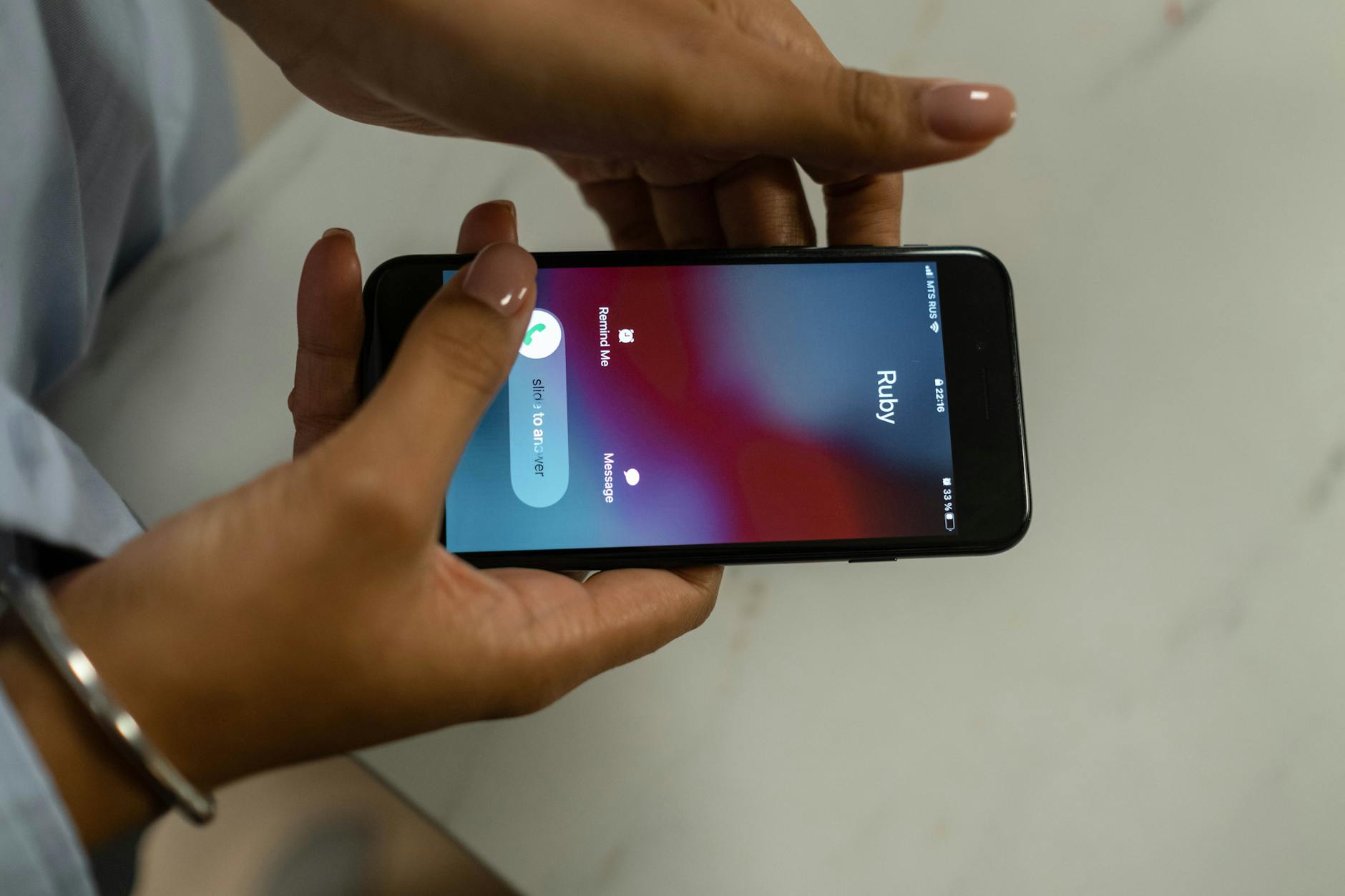
HAWAIʻI — The Hawaiʻi Department of Commerce and Consumer Affairs is warning nurses and other licensed medical professionals about an ongoing phone scam in which callers falsely claim to represent government agencies investigating professional licenses. The department said scammers posing as state officials tell victims they are under investigation and then attempt to obtain personal information or demand money through wire transfers.
Recent targets have included current and former nursing license holders, including licensed practical nurses, registered nurses and advanced practice registered nurses. Dentists, pharmacists and other health care professionals could also be at risk.
Legitimate disciplinary actions involving professional licenses are handled only through the Professional and Vocational Licensing Division's 52 licensing boards, commissions and programs, following a formal process that includes notification and investigation by the Regulated Industries Complaints Office. RICO investigators communicate through official written correspondence and do not request sensitive personal information or ask for payments over the phone.
The Hawaiʻi Department of Health and Human Services does not have authority to suspend, revoke or investigate licenses regulated under the DCCA licensing division. Caller ID information can be manipulated to appear as though the call is coming from a government office, the department noted, which may make fraudulent calls more difficult to identify.
Medical professionals are advised to hang up immediately if they receive suspicious calls and to avoid sharing personal or financial information. Those who receive such calls are encouraged to verify any claims independently by contacting the appropriate agency through official DCCA channels rather than using contact information provided by the caller.
Suspicious calls should be reported to the applicable licensing board or directly to the Professional and Vocational Licensing Division, which can be reached by phone at 844-808-3222 ext. 1. Impersonating a public servant is a criminal offense that can result in prosecution.


forum Comments (0)
No comments yet. Be the first to comment.