Yvette Cooper, foreign secretary
Relevance: primary · Type: action
Confidence90%
Yvette Cooper said that global fertiliser supplies must be freed up within weeks to avoid disaster, with harvests suffering and food prices rising.
Relevance: primary · Type: background
Confidence90%
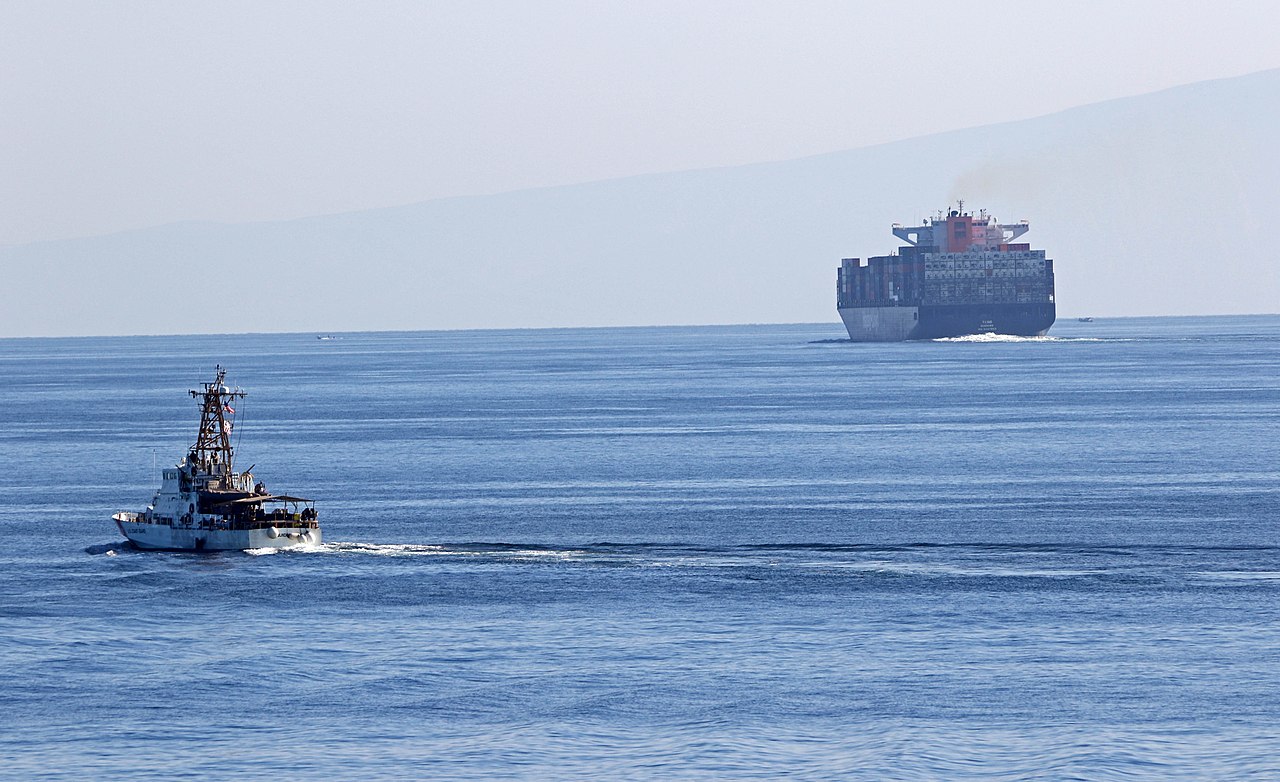
The war in Iran has frozen shipments of fertiliser through the Strait of Hormuz, creating a supply crunch that has damaged farming in the UK, Europe and the US and is affecting developing countries more severely where farmers cannot afford the higher prices.
Yvette Cooper, foreign secretary
Relevance: primary · Type: quote
Confidence95%
"The world is sleepwalking into a global food crisis."
Yvette Cooper, foreign secretary
Relevance: primary · Type: quote
Confidence95%
"We cannot risk tens of millions of people going hungry because one country has hijacked an international shipping lane."
Yvette Cooper, foreign secretary
Relevance: primary · Type: quote
Confidence95%
"Iran’s continued closure of the strait of Hormuz while the agricultural clock is ticking shows why we need urgent global pressure to get the strait reopened, fertiliser and fuel moving, and ease the costs of living pressures."
Yvette Cooper, foreign secretary
Relevance: primary · Type: quote
Confidence95%
"This crisis is affecting developed and developing countries, the private and public sectors alike."
Yvette Cooper, foreign secretary
Relevance: primary · Type: quote
Confidence95%
"It shows why we need a new approach to global partnerships, to drive international development to prevent crises in the first place. The world has changed faster than the international system can support it."
Relevance: supporting · Type: event
Confidence90%
The Global Partnerships conference is jointly hosted by the UK and South African governments and supported by the Children’s Investment Fund Foundation, and is intended to help governments, private sector investors and civil society find new ways of working together.
Relevance: supporting · Type: background
Confidence90%
Despite rising prices and increasing debt levels in developing countries, many wealthy countries are reducing their overseas aid.
Relevance: supporting · Type: background
Confidence90%
Under the last government, the UK reduced its overseas aid from 0.5% of gross national income to 0.3% of gross national income.
Relevance: supporting · Type: background
Confidence90%
Under the previous Labour government, the UK reduced its overseas aid from 0.7% of gross national income to 0.5% of gross national income.
Relevance: supporting · Type: background
Confidence90%
Under Donald Trump, the US dismantled the USAID agency.
Relevance: supporting · Type: background
Confidence90%
The World Food Programme estimates that almost 45 million more people could fall into acute food insecurity if the Iran conflict does not end by the middle of this year.
Yvette Cooper, foreign secretary
Relevance: primary · Type: quote
Confidence95%
"Instability abroad affects us here at home, from energy prices to food security. Building resilience abroad makes the UK stronger."
Relevance: supporting · Type: background
Confidence90%
A report by the UK’s intelligence chiefs warned that a collapse of key ecosystems in developing countries, partly driven by the climate crisis, would have devastating impacts on the UK's national security.
Relevance: supporting · Type: background
Confidence90%
Climate finance has been cut to £2bn a year over the next three years.
Jenny Chapman, minister for development at the Foreign, Development and Commonwealth Office
Relevance: supporting · Type: quote
Confidence95%
"We are absolutely not backing away from our contributions and our responsibilities."
Jenny Chapman, minister for development at the Foreign, Development and Commonwealth Office
Relevance: supporting · Type: quote
Confidence95%
"We can get more climate finance by moving the way work on it. We need to make a lot more impact than we have done."
Relevance: supporting · Type: event
Confidence90%
British International Investment will announce £4.6bn for climate investment in emerging markets at the conference.
Relevance: supporting · Type: event
Confidence90%
The UK will provide $250m to the African Development Bank and will increase its shareholding in the Inter-American Development Bank.
Relevance: primary · Type: event
Confidence90%
Yvette Cooper will announce a new health partnership to support children injured in Gaza, additional support for health systems to develop new medicines and vaccines more quickly, and a £200m investment in science and technology.
Relevance: supporting · Type: background
Confidence90%
The UK is to be the next president of the G20 group of developed and developing economies.
Richard Hawkes, chief executive of Oxfam GB
Relevance: supporting · Type: quote
Confidence95%
"Unlawful attacks by the US and Israel on Iran have killed, injured and displaced civilians across the region."
Richard Hawkes, chief executive of Oxfam GB
Relevance: supporting · Type: quote
Confidence95%
"Retaliation from Iran, which includes the closure of the strait of Hormuz, is driving up the cost of food and fuel and putting basic necessities out of reach for millions of people."
Richard Hawkes, chief executive of Oxfam GB
Relevance: supporting · Type: quote
Confidence95%
"We urgently need a permanent and lasting ceasefire, including an immediate end to all hostilities across the wider region."
Richard Hawkes, chief executive of Oxfam GB
Relevance: supporting · Type: quote
Confidence95%
"UK aid cuts – set to be the steepest of any G7 country this year – also risk deepening global instability and inequalities."
Richard Hawkes, chief executive of Oxfam GB
Relevance: supporting · Type: quote
Confidence95%
"The government must reverse the cuts and start taxing the super-rich and biggest polluters to help pay for the fight against poverty and inequality."




forum Comments (0)
No comments yet. Be the first to comment.