
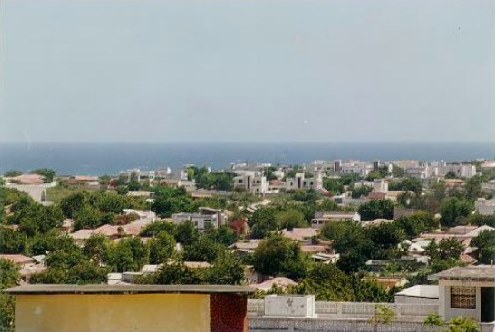
KISMAYO — A Somali mother named Maryam arrived earlier this year at a makeshift settlement on the outskirts of Kismayo, the capital of Jubbaland state, after fleeing her drought-stricken village with her six remaining children. She had buried two of her children and watched her goats starve and her crops fail before seeking help from international aid agencies in southern Somalia.
Maryam traveled along the Jubba River to reach the camp. She said she would not return to her village because it is under the control of the al-Qaeda-linked armed group al-Shabab.
"We are hungry. We need care and help," Maryam said.
Three consecutive seasons of failed rains have doubled Somalia's malnutrition rate. Since January, more than 300,000 Somalis have been forced to leave their homes. Farmers said their herds and crops have been decimated by the drought, which they described as one of the worst ever recorded in Somalia. If the forthcoming rainy season is normal, it will take months for affected populations to recover.
Several international organisations have stopped operations in the Kismayo camp following aid cuts ordered by United States President Donald Trump last year. More than 200 health centres and 400 schools have closed since last year. In March, five children died of malnutrition in the camp, according to the camp manager.
Cases of severe malnutrition have tripled since last year. A hospital in Kismayo is the only facility in the region capable of treating the most severe cases, and it is turning patients away due to a lack of space and staff. Every bed is occupied by babies with severe malnutrition, some on ventilators with intravenous drips.
Ali Adan Ali, a Jubbaland official managing the displaced, described the limits of the response. "We cannot afford to actually address all the needs of these people," he said.
Residents of the camp seek work in construction or cleaning jobs in Kismayo or sell firewood, but available options are limited. The United Nations Office for the Coordination of Humanitarian Affairs reduced its Somalia programme funding from $2.6bn in 2023 to $852m in 2026, and only 13 percent of this year's funding target has been raised.
"Often we're having to choose which lives to save and which lives not to save," said Tom Fletcher, head of the agency.


forum Comments (0)
No comments yet. Be the first to comment.