
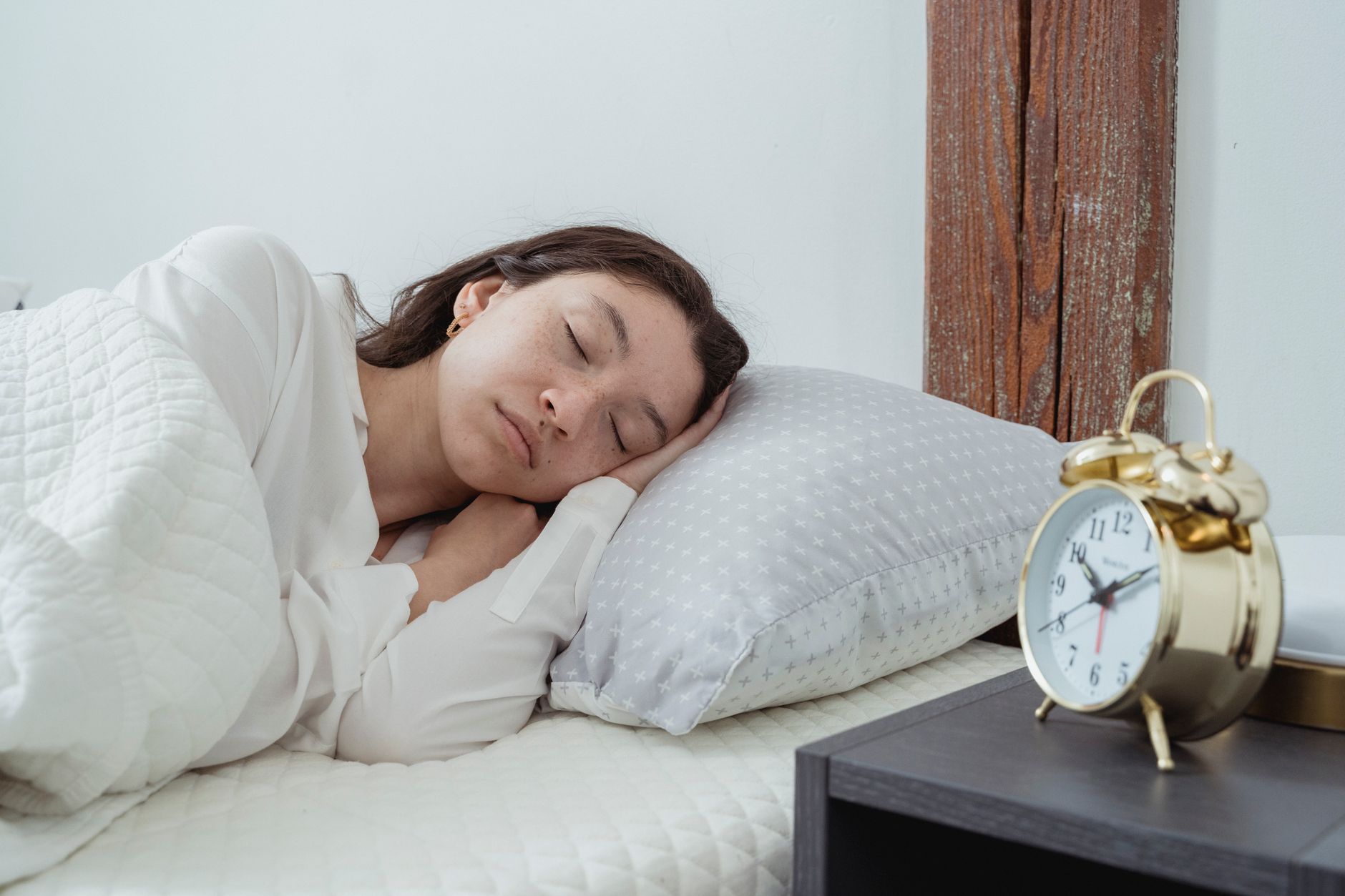
A data brief published by the Centers for Disease Control and Prevention finds that 30.5% of U.S. adults surveyed in 2024 are getting less than seven hours of sleep per night. CDC researchers had previously found that just under 30% of U.S. adults were sleeping less than seven hours a night in 2020.
The brief also reported that around 15% of U.S. adults have trouble falling asleep and around 18% struggle to stay asleep. According to a separate CDC publication, around 13% of U.S. adults use sleep aids nightly, including prescription medications, over-the-counter supplements, and marijuana or cannabidiol products.
The American Academy of Sleep Medicine recommends that adults get at least seven hours of sleep each night. James Rowley, a pulmonologist and the program director of the Sleep Medicine Fellowship at Rush University Medical Center and a past president of the AASM board of directors, said not getting enough sleep is linked with cardiometabolic disorders like diabetes and obesity, as well as cardiovascular problems. Rowley considers sleep to be as essential as diet and exercise for a healthy life.
Rowley cautioned against routine reliance on sleep aids. "If you're taking something every night, you really should be talking to your physician. There may be a sleep disorder or other things that are interrupting your sleep that we could get to the cause of," Rowley said.
Sleep specialist Dr. Chris Winter framed the weekly target in cumulative terms. "If you're somebody who needs seven hours of sleep a night, then you really need 49 hours a week," Winter said. Midday naps and sleeping in on weekends can help make up for temporary sleep deficits.
Cognitive behavioral therapy for insomnia is the gold standard for treating sleep anxiety. Scheduling "worry time" separate from bedtime and spending 10 to 15 minutes daily writing out worries can help relax the mind before sleep.
Several environmental and behavioral factors influence sleep quality. Lower light levels in the home trigger the release of melatonin, which signals the body that it is time to sleep, and moving from a warm environment like a shower or bath to a cooler one can promote sleep. Exposure to morning sunlight serves as the body's natural wake-up signal, while daily physical activity helps promote sleep by tiring the body. Avoiding afternoon coffee can promote deep, restorative sleep.




forum Comments (0)
No comments yet. Be the first to comment.