Relevance: primary · Type: event
Confidence100%
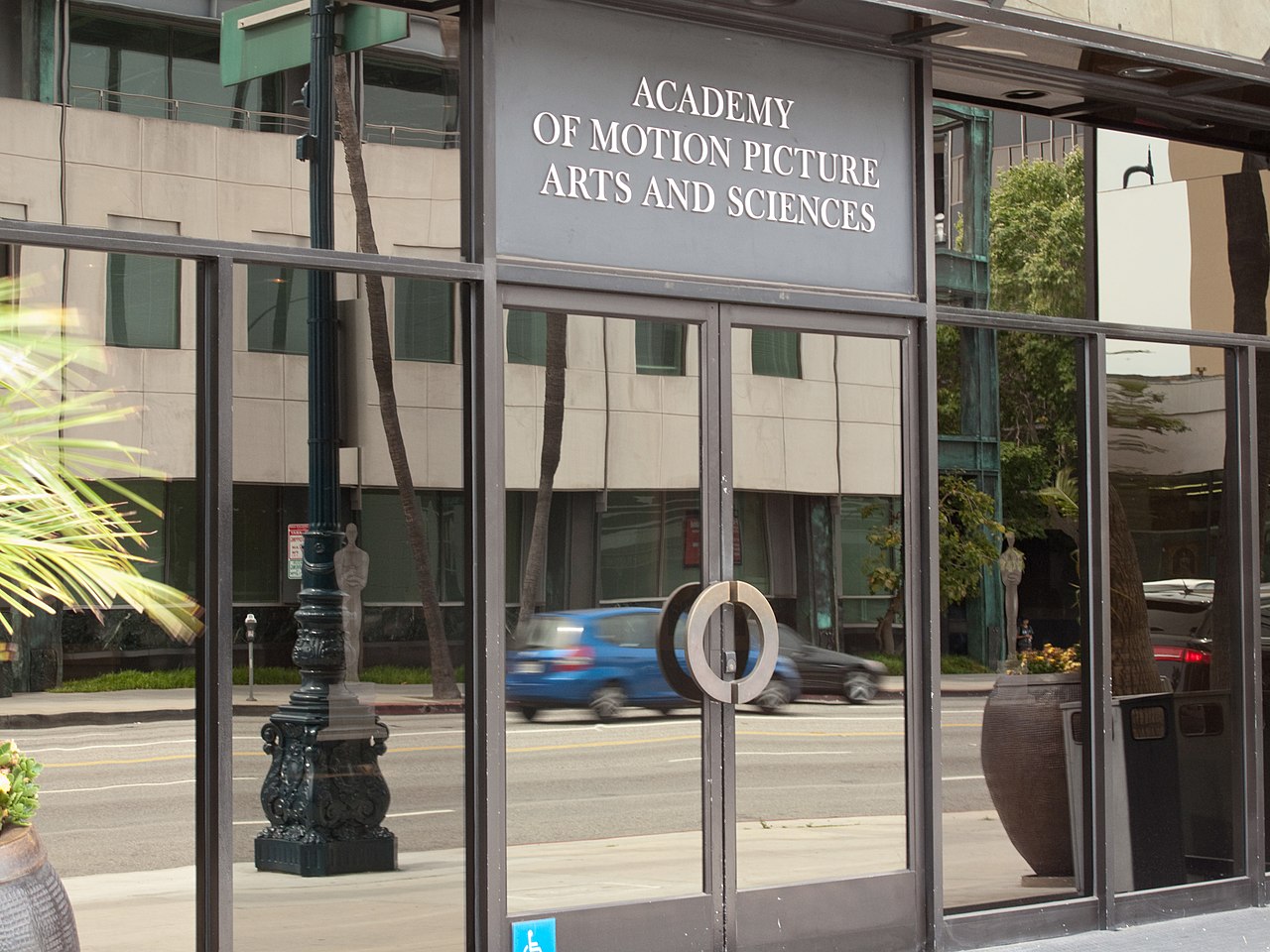
The Academy of Motion Picture Arts and Sciences announced multiple major rule changes for the Oscars on Friday.
Relevance: primary · Type: action
Confidence100%
The Oscar eligibility rules now allow a single actor to receive multiple nominations in the same acting category.
Relevance: primary · Type: action
Confidence100%
Only performances demonstrably performed by humans with their consent are eligible for acting Oscars.
Relevance: primary · Type: action
Confidence100%
Only screenplays authored by humans are eligible for writing awards at the Oscars.
Relevance: primary · Type: background
Confidence100%
The new policy addresses eligibility questions raised by the posthumous completion of a performance by Val Kilmer using AI after his death in 2025.
Relevance: primary · Type: action
Confidence100%
The Academy retained the right to request additional information about a film’s use of artificial intelligence.
Relevance: supporting · Type: background
Confidence100%
Under previous rules, if an actor had multiple performances in the top five vote tally for a category, only the performance with the highest votes would be nominated.
Relevance: supporting · Type: background
Confidence100%
In 2001, Steven Soderbergh was nominated for Best Director for both Erin Brockovich and Traffic and won the award for Traffic.
Relevance: primary · Type: action
Confidence100%
The policy for Best International Feature now allows more than one film per country or region to be nominated.
Relevance: primary · Type: action
Confidence100%
A non-English language film can qualify for Best International Feature by winning the top prize at one of these festivals: Cannes, Berlin, Busan, Sundance, Toronto, or Venice.
Relevance: primary · Type: action
Confidence100%
The Best International Feature award will be credited to the director rather than the submitting country.
Relevance: primary · Type: action
Confidence100%
Directors’ names will be included on the trophies and in the record books for Best International Feature.
Relevance: supporting · Type: background
Confidence100%
Joachim Trier, who directed Sentimental Value, won Best International Feature for Norway this year, but the award technically went to Norway.
Relevance: primary · Type: action
Confidence100%
The Academy increased the number of individuals eligible for Best Casting from two to three per film.
Relevance: primary · Type: action
Confidence100%
The shortlist for Best Cinematography has been set at 20 films.
Relevance: primary · Type: event
Confidence100%
The 99th Oscars will be held on Sunday, 14 March 2027, at the Dolby Theater in Los Angeles.
Relevance: primary · Type: event
Confidence100%
From 2029 through 2038, the Oscars ceremony will be held at the Peacock Theater and broadcast on YouTube instead of ABC.
Relevance: primary · Type: action
Confidence100%
The Academy released updates stressing the importance of human authorship across multiple filmmaking categories while not banning the use of AI tools.
Bill Kramer, film academy CEO
Relevance: supporting · Type: quote
Confidence100%
Bill Kramer said, "As we do every year, we made a lot of, we think, really smart and progressive changes."
Bill Kramer, film academy CEO
Relevance: supporting · Type: quote
Confidence100%
Bill Kramer said, "Obviously, as the academy becomes more global, we need to think about how we are inviting international films into the Oscars conversation."
Relevance: primary · Type: action
Confidence100%
The new rules state that AI tools neither help nor harm the chances of achieving a nomination and that the Academy and each branch will judge achievements based on the degree of human creative authorship.
Lynette Howell Taylor, academy president
Relevance: supporting · Type: quote
Confidence100%
Lynette Howell Taylor said, "Humans have to be at the center of the creative process."
Bill Kramer, film academy CEO
Relevance: supporting · Type: quote
Confidence100%
Bill Kramer said, "We will review that on a case-by-case basis. We, like everybody in our industry and world, we will be assessing this every year."
Relevance: supporting · Type: background
Confidence100%
The film academy has historically updated its standards to account for technological advances such as sound, color, and computer-generated imagery.
Relevance: supporting · Type: background
Confidence100%
The film academy’s membership has become more international over time.
Relevance: supporting · Type: background
Confidence100%
Under the new rules, independent films such as "It Was Just an Accident" by Jafar Panahi could be eligible for Best International Feature if they won a qualifying festival award regardless of national submission.
Relevance: supporting · Type: background
Confidence100%
The qualifying awards for Best International Feature now include the Palme d’Or at Cannes, the Golden Lion at Venice, the Platform award at Toronto, the Golden Bear at the Berlin International Film Festival, the Best Film award at Busan International Film Festival, and the World Cinema Grand Jury Prize at Sundance.
Relevance: supporting · Type: background
Confidence100%
At the 17th Academy Awards in 1945, Barry Fitzgerald became the only performer nominated for both lead and supporting actor for the same role in Going My Way (1944), prompting a rule limiting each performance to a single nomination.
Relevance: supporting · Type: quote
Confidence100%
The Academy called the requirement that acting and writing must be performed and authored by humans a "substantive" change to the rules.
Relevance: supporting · Type: background
Confidence100%
Val Kilmer is set to be recreated with AI technology in a lead role for an upcoming movie.
Relevance: supporting · Type: background
Confidence100%
During the Hollywood writers strike two years ago, a key issue was studios using AI to write scripts.
Relevance: supporting · Type: background
Confidence100%
All generative AI tools are based on large language models trained on human-created text, images, and video.
Relevance: supporting · Type: background
Confidence100%
Hollywood studios, actors, and authors have initiated lawsuits alleging copyright infringement against several AI companies.
Relevance: supporting · Type: action
Confidence100%
The Academy did not ban the use of AI tools in other filmmaking areas beyond acting and writing eligibility.
Relevance: supporting · Type: background
Confidence100%
Computer-generated imagery has been widely used in filmmaking since the 1990s as a manual process performed by humans.
Relevance: supporting · Type: background
Confidence100%
AI tools are generally designed to automate work entirely through simple prompts.




forum Comments (0)
No comments yet. Be the first to comment.