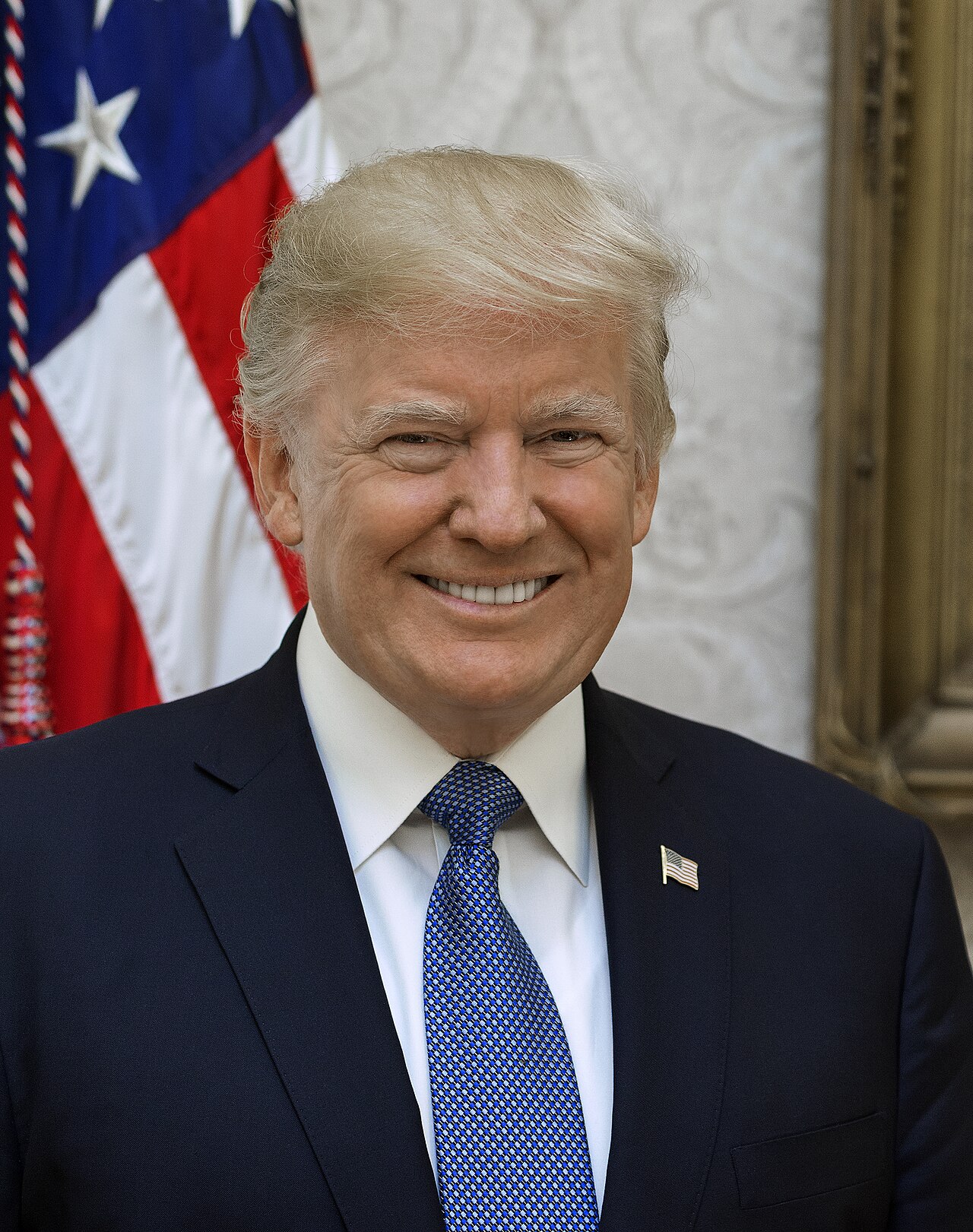
Donald Trump, U.S. president
Relevance: primary · Type: quote
Confidence90%
The United States is studying and reviewing the possible reduction of troops in Germany, with a determination to be made over the next short period of time.
Friedrich Merz, German chancellor
Relevance: supporting · Type: quote
Confidence90%
Friedrich Merz said, "The Iranians are obviously very skilled at negotiating, or rather, very skilful at not negotiating, letting the Americans travel to Islamabad and then leave again without any result."
Friedrich Merz, German chancellor
Relevance: supporting · Type: quote
Confidence90%
Friedrich Merz said, "Europe is suffering from the consequences of the closure of the Hormuz strait."
Relevance: supporting · Type: action
Confidence90%
Donald Trump cancelled a second trip by U.S. negotiators to Islamabad last week.
Relevance: supporting · Type: background
Confidence80%
Discussions over Iran's nuclear programme and the Strait of Hormuz have hit an impasse.
Relevance: supporting · Type: action
Confidence80%
On Tuesday, Donald Trump accused Friedrich Merz of thinking it is acceptable for Iran to have a nuclear weapon and of not knowing what he is talking about.
Friedrich Merz, German chancellor
Relevance: supporting · Type: quote
Confidence90%
On Wednesday, Friedrich Merz said his relationship with Donald Trump remains as good as ever.
Donald Trump, U.S. president
Relevance: primary · Type: quote
Confidence90%
On 1 April, Donald Trump said he was "absolutely without question" considering withdrawing from NATO because of the European allies' failure to take part in the US-Israeli war on Iran and help secure the economically vital Strait of Hormuz.
Relevance: primary · Type: background
Confidence90%
U.S. legislation passed in 2024 prevents a president from withdrawing from NATO without a two-thirds Senate majority or an act of Congress.
Relevance: supporting · Type: background
Confidence90%
The United States had over 68,000 active-duty military personnel in Europe in 2024, according to the US Defense Manpower Data Center.
Relevance: supporting · Type: background
Confidence90%
Germany houses the largest contingent of U.S. troops in Europe, with more than 35,000 troops in 2024, according to the Congressional Research Service.
Relevance: supporting · Type: background
Confidence70%
German media reports that Germany is home to about 50,000 U.S. troops.
Relevance: supporting · Type: background
Confidence90%
As of 2025, the United States had almost 85,000 troops stationed in Europe, with more than 40 bases across the region.
Donald Trump, U.S. president
Relevance: primary · Type: quote
Confidence90%
Donald Trump has criticized NATO members for failing to spend adequately on their defense budgets, saying they "ripped off" the United States.
Relevance: supporting · Type: action
Confidence80%
Donald Trump called allies cowards for declining to help reopen the Strait of Hormuz.
Ivo Daalder, US permanent representative at NATO headquarters from 2009 to 2013
Relevance: supporting · Type: quote
Confidence90%
Ivo Daalder said, "Hard to see how any European country will now be able and willing to trust the United States to come to its defence."
Relevance: supporting · Type: action
Confidence90%
U.S. Secretary of State Marco Rubio spoke with German Foreign Minister Johann Wadephul and discussed Iran and the importance of securing freedom of navigation in the Strait of Hormuz.
Relevance: supporting · Type: background
Confidence90%
The U.S. military presence in Germany dates back to the aftermath of World War II and the Cold War.
Relevance: supporting · Type: background
Confidence90%
More than 36,000 active-duty troops were assigned to bases throughout Germany as of last December, along with nearly 1,500 reservists and 11,500 civilians, according to Defense Department figures.
Relevance: supporting · Type: background
Confidence90%
Japan is the only foreign country with a larger presence of U.S. troops than Germany.
Relevance: supporting · Type: background
Confidence90%
Germany is home to the headquarters of U.S. European Command and U.S. Africa Command, and Ramstein Air Base is a key hub for U.S. operations.
Relevance: supporting · Type: action
Confidence90%
Donald Trump has threatened to leave NATO, calling the alliance a "paper tiger."
Relevance: supporting · Type: background
Confidence90%
A 2023 law prevents the president from withdrawing the United States from NATO without approval from Congress.
Relevance: supporting · Type: background
Confidence80%
Europe is facing higher energy prices due to constraints on oil exports from the Middle East caused by the Iran conflict.
Friedrich Merz, German chancellor
Relevance: supporting · Type: quote
Confidence90%
Friedrich Merz said, "The Americans clearly have no strategy" on Iran.
Friedrich Merz, German chancellor
Relevance: supporting · Type: quote
Confidence90%
Friedrich Merz said that the United States was being humiliated by Iranian negotiators.
Donald Trump, U.S. president
Relevance: supporting · Type: quote
Confidence80%
Donald Trump wrote, "No wonder Germany is doing so poorly, both Economically, and otherwise!"
Relevance: supporting · Type: action
Confidence90%
In 2020, Donald Trump announced plans to pull around 12,000 U.S. forces from Germany.
Donald Trump, U.S. president
Relevance: supporting · Type: quote
Confidence90%
Donald Trump said Germany was "delinquent" in military spending when announcing plans to pull around 12,000 U.S. forces from Germany in 2020.
Relevance: supporting · Type: action
Confidence90%
Former President Joe Biden reversed the plans to pull around 12,000 U.S. forces from Germany.
Relevance: supporting · Type: action
Confidence90%
U.S. officials said that around 700 troops deployed in Germany, Romania, and Poland would return home last fall.
Relevance: supporting · Type: quote
Confidence90%
U.S. Army Europe and Africa said the troop return was part of a deliberate process to ensure a balanced U.S. military force posture.
Relevance: supporting · Type: quote
Confidence90%
U.S. Army Europe and Africa said the troop return was not an American withdrawal from Europe or a signal of lessened commitment to NATO.



forum Comments (0)
No comments yet. Be the first to comment.