
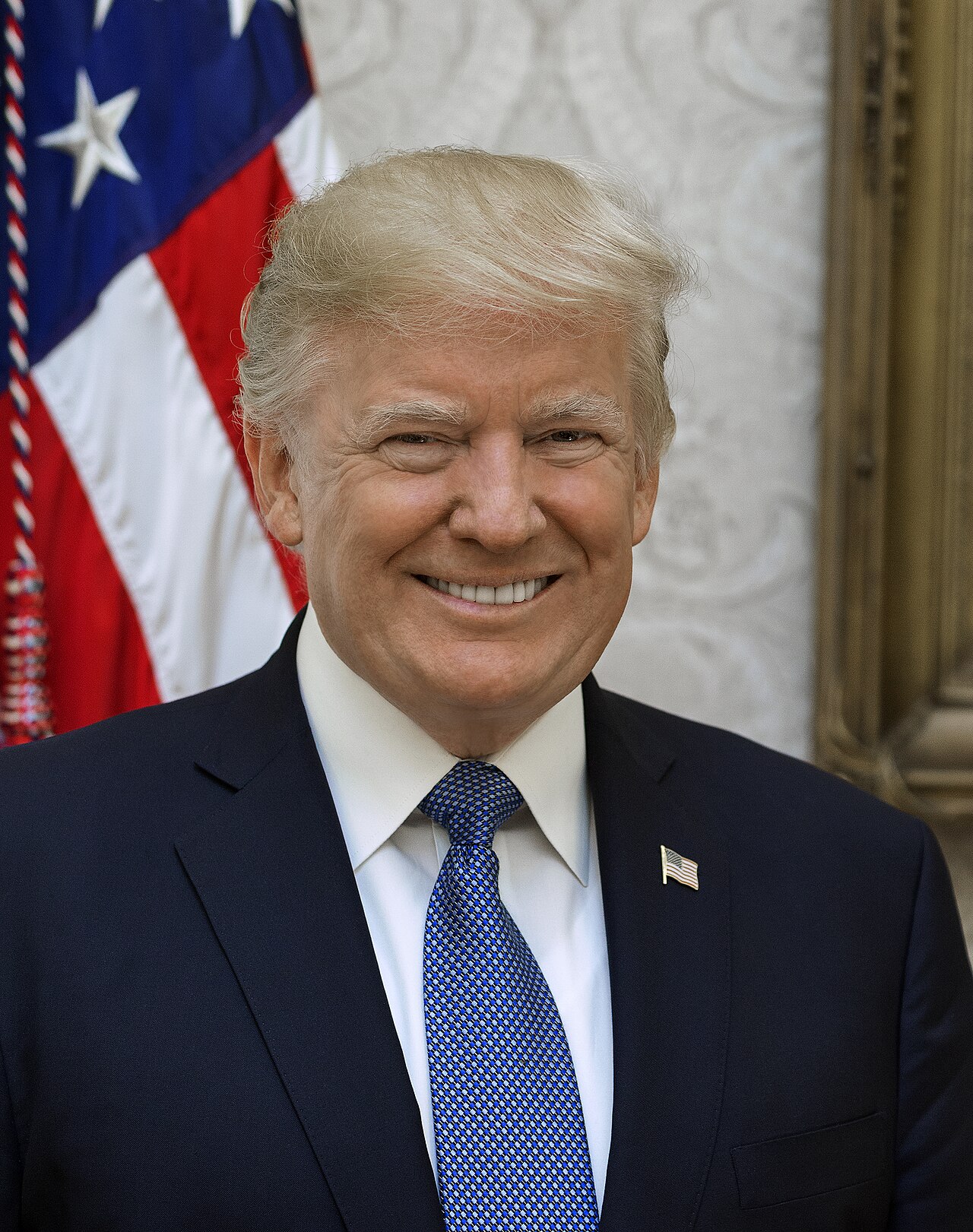
ISLAMABAD — President Donald Trump canceled plans for U.S. envoys Steve Witkoff and Jared Kushner to travel to Islamabad, Pakistan, for peace talks with Iran. The cancellation reversed a White House announcement made on Friday that the two envoys would take part in a second round of ceasefire negotiations.
"I just cancelled the trip of my representatives going [to] Islamabad, Pakistan, to meet with the Iranians," Trump said in a post on Truth Social. "Too much time wasted on traveling, too much work!"
Trump added in the same post: "Nobody knows who is in charge, including them. Also, we have all the cards, they have none! If they want to talk, all they have to do is call!!!"
Before the cancellation, White House press secretary Karoline Leavitt said the envoys would travel to Islamabad for direct talks aimed at securing a lasting peace deal more than 50 days after the U.S. and Israel began bombing Iran. The White House said Vice President JD Vance would not attend the talks.
Iranian Foreign Minister Abbas Araghchi was in Islamabad on Friday and Saturday and spoke with Pakistani Prime Minister Shehbaz Sharif. Araghchi also met overnight with Pakistan Foreign Minister Mohammad Ishaq Dar and Army Chief Field Marshal Asim Munir before departing for Oman. Pakistani officials have served as intermediaries for discussions between Iran and the United States, and Pakistan had been preparing to receive Witkoff and Kushner for the start of renewed talks, though no arrival date had been specified.
The U.S. blockade of Iranian ports and vessels is continuing. Defense Secretary Pete Hegseth said the blockade will remain in place "as long as it takes." Hegseth indicated the Trump administration is in no hurry to reach a peace deal and that the U.S. controls the timeline for Operation Epic Fury.
The Trump administration announced economic sanctions on a China-based oil refinery and about 40 shipping companies and tankers involved in transporting Iranian oil. The war continues to disrupt shipping traffic through the Strait of Hormuz, a waterway through which one-fifth of the world's oil supply flows. Oil prices have increased as a result of the conflict, which has pushed U.S. inflation to its highest level in nearly two years. In Iran, state media reported that President Masoud Pezeshkian urged people to reduce electricity use after U.S.-Israeli strikes damaged energy infrastructure.


forum Comments (0)
No comments yet. Be the first to comment.