
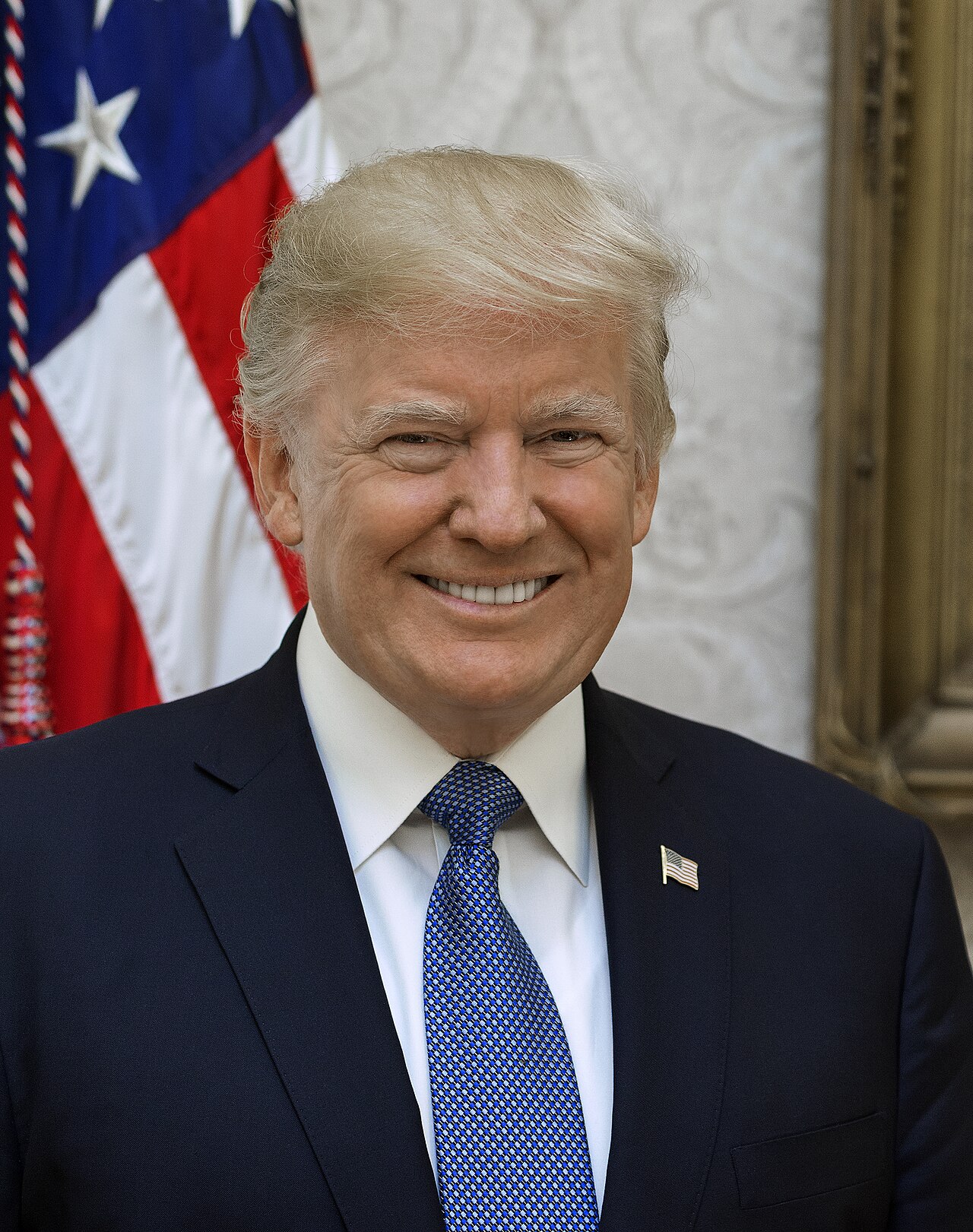
BOSTON, MASSACHUSETTS — The administration of President Donald Trump plans to again end temporary legal status for hundreds of thousands of people who applied for asylum in the United States via the CBP One app, according to a court filing in Boston, Massachusetts. The filing followed a ruling by a federal judge that an earlier effort to terminate the legal status of CBP One users was unlawful.
Under President Joe Biden, individuals who registered for an appointment with U.S. Customs and Border Protection were preliminarily vetted and granted temporary legal status in the U.S. as their asylum cases were adjudicated. About 900,000 people were granted humanitarian parole under the program.
In April 2025, months after Trump's second term began, many individuals received emails saying their status had been terminated. The messages told recipients it was "time for you to leave the United States."
Federal Judge Allison Burroughs ruled that the Department of Homeland Security did not follow proper procedures in terminating the immigration status of CBP One users. The U.S. Department of Justice told Burroughs that the Trump administration was complying with her order and would begin issuing new parole termination notices pursuant to a memo from CBP head Rodney Scott. In the memo, Scott wrote that "parole is no longer appropriate for those aliens."
Lawyers for Democracy Forward and Massachusetts Law Reform Institute urged Burroughs in a filing to prevent what they called a "deliberate attempt to evade compliance with the court's order." The next hearing was set for May 6.
During his second term, Trump adopted a policy that halted nearly all asylum claims at the southern U.S. border. Shortly after taking office, Trump's officials dissolved the CBP One app and relaunched it as CBP Home, a self-deportation tool. The administration claimed there was an "invasion" at the border that constituted a "national emergency," allowing it to bypass legal requirements to admit asylum seekers.
Asylum is a right enshrined in domestic and international law to protect people fleeing persecution based on race, religion, nationality, political opinion, or membership in a particular social group. A federal appeals court ruled against the Trump administration's ban on asylum at the southern U.S. border, and the administration is expected to appeal the decision.


forum Comments (0)
No comments yet. Be the first to comment.