
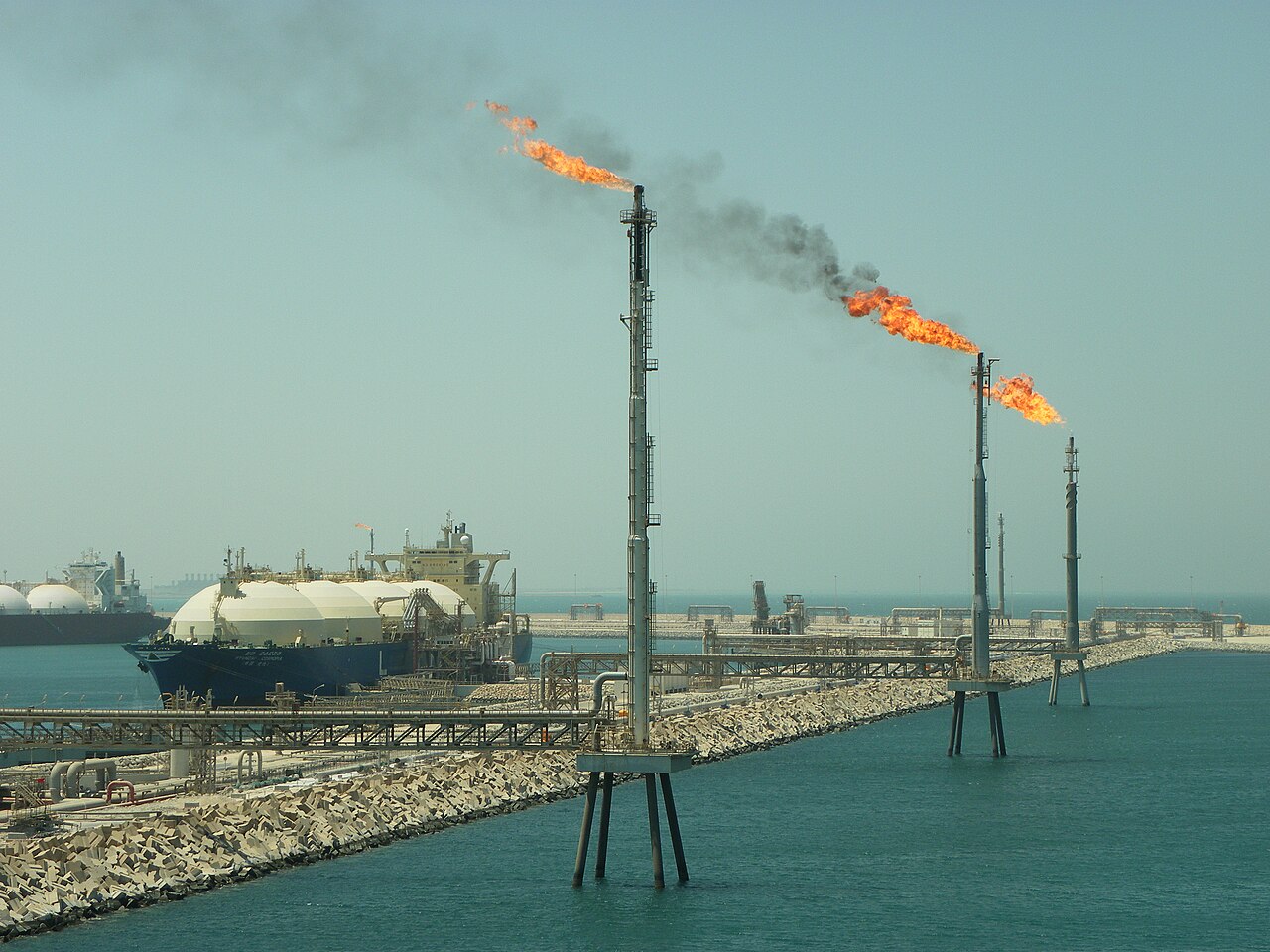
The International Energy Agency warned that damage to liquefied natural gas facilities in Qatar during the Iran war will constrain global natural gas supplies for the next two years. The war has closed the Strait of Hormuz, cutting off one-fifth of global oil and liquefied natural gas supplies.
Iranian strikes on Ras Laffan Industrial City, a liquefied natural gas export terminal in Qatar, reduced its LNG capacity by 17%, Qatar's energy minister said. Repairs to the damaged terminal could take up to five years, according to the minister.
Fatih Birol, Executive Director of the International Energy Agency, described the situation as "the biggest crisis in history" in an interview with France Inter radio. Birol's warning came as IEA projections showed damage to LNG liquefaction infrastructure in Qatar is set to reduce projected supply growth and delay the impact of the anticipated global LNG expansion wave by at least two years.
Short-term supply losses combined with slower capacity growth could lead to a cumulative loss of 120 billion cubic meters of LNG supply through 2030. New liquefaction projects in other regions are expected to offset these losses over time, but the impact will prolong tight markets through 2026 and 2027. The duration of the effective closure of the Strait of Hormuz is a key uncertainty that will affect global gas demand in 2026.
Natural gas demand fell in March in part due to higher commodity prices and demand-side policy measures. A number of Asian countries are undertaking demand-side and fuel-switching measures to reduce the use of natural gas.


forum Comments (0)
No comments yet. Be the first to comment.