
NASA will repurpose components from a canceled lunar-orbit space station to construct a $20 billion base on the moon's surface, shaped in part by observations collected during the Artemis II crew's April lunar flyby. NASA Administrator Jared Isaacman said data gathered by the astronauts is informing plans for infrastructure to support long-term stays on the moon.
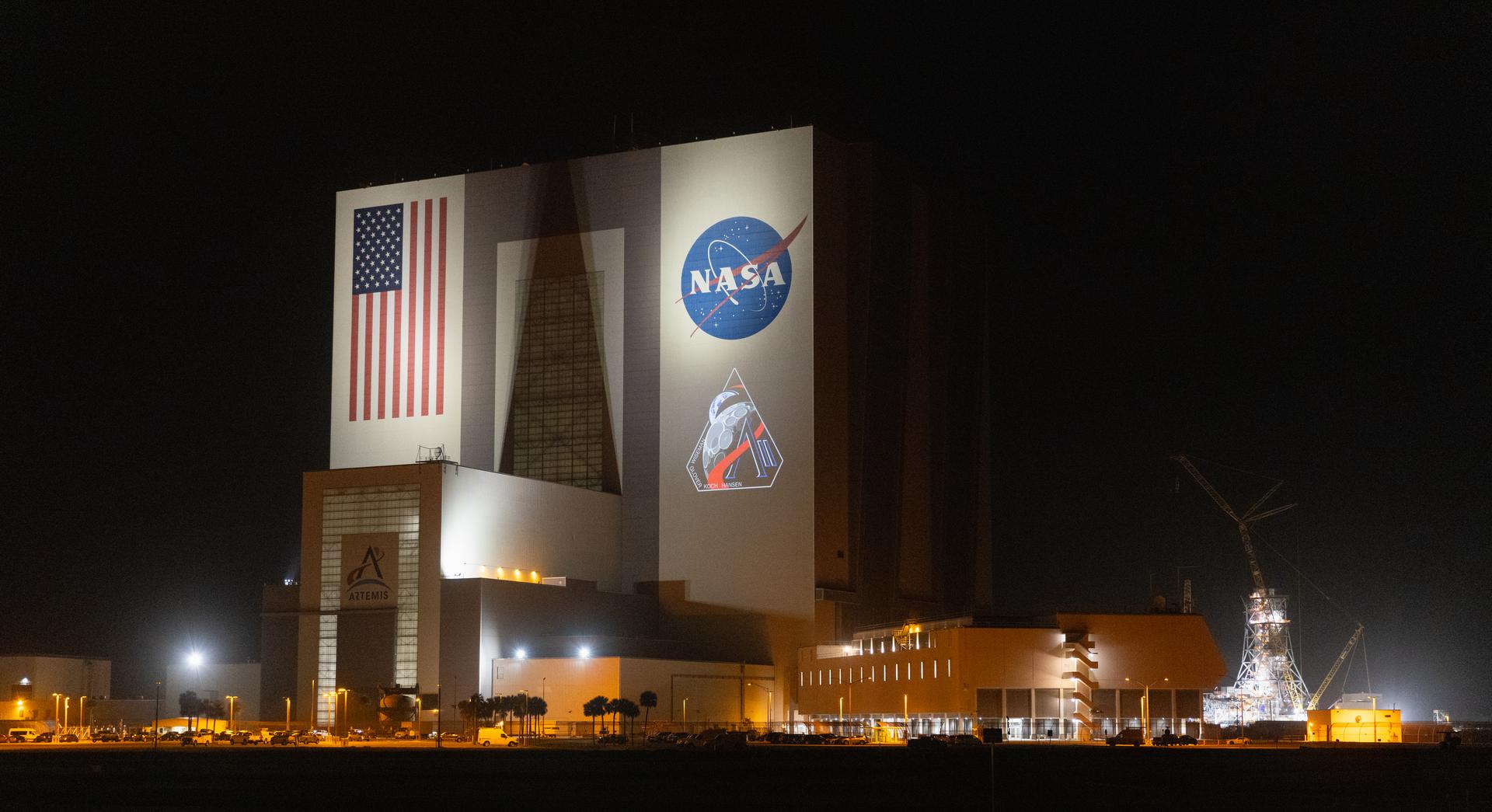
The Artemis II mission launched April 1, sending NASA astronauts Reid Wiseman, Christina Koch and Victor Glover, along with Canadian astronaut Jeremy Hansen, on a 10-day trip around Earth and the moon. The crew reached their closest point to the moon on April 6, spending seven hours taking photographs and making observations. They were the first people to see the entire far side of the moon with their own eyes.
During a solar eclipse at the end of the flyby, the astronauts reported seeing multiple flashes of light on the lunar surface, caused by rocky objects striking the moon. Scientists in Mission Control at the Johnson Space Center erupted in cheers at the observations.
"But they actually saw it, and that allows us to maybe update our models of how often it is taking a beating. And if you know that, it might inform your roof design when you build a moon base," Isaacman said.
In February, Isaacman overhauled NASA's Artemis return-to-the-moon program to increase the pace of launches ahead of a targeted moon landing in 2028. The changes included adding a mission called Artemis III in mid-2027 to test rendezvous and docking technologies in low-Earth orbit with one or both of the lunar landers that SpaceX and Blue Origin are developing. If Artemis III is successful, NASA intends to launch Artemis IV to land on the moon the following year.
Under the plan, one of the commercially built vehicles will dock with NASA's Orion spacecraft and then carry astronauts to the lunar surface. The remarks were delivered during a panel discussion for Common Ground, an NBC News franchise bringing together leaders with different perspectives to focus on solutions to pressing issues.
"If something doesn't work the way we expect, we'd rather be hours away from being back in the water and not days. What we learn from that will roll into Artemis IV in 2028, and that's where we're going to land astronauts," he said.


forum Comments (0)
No comments yet. Be the first to comment.