
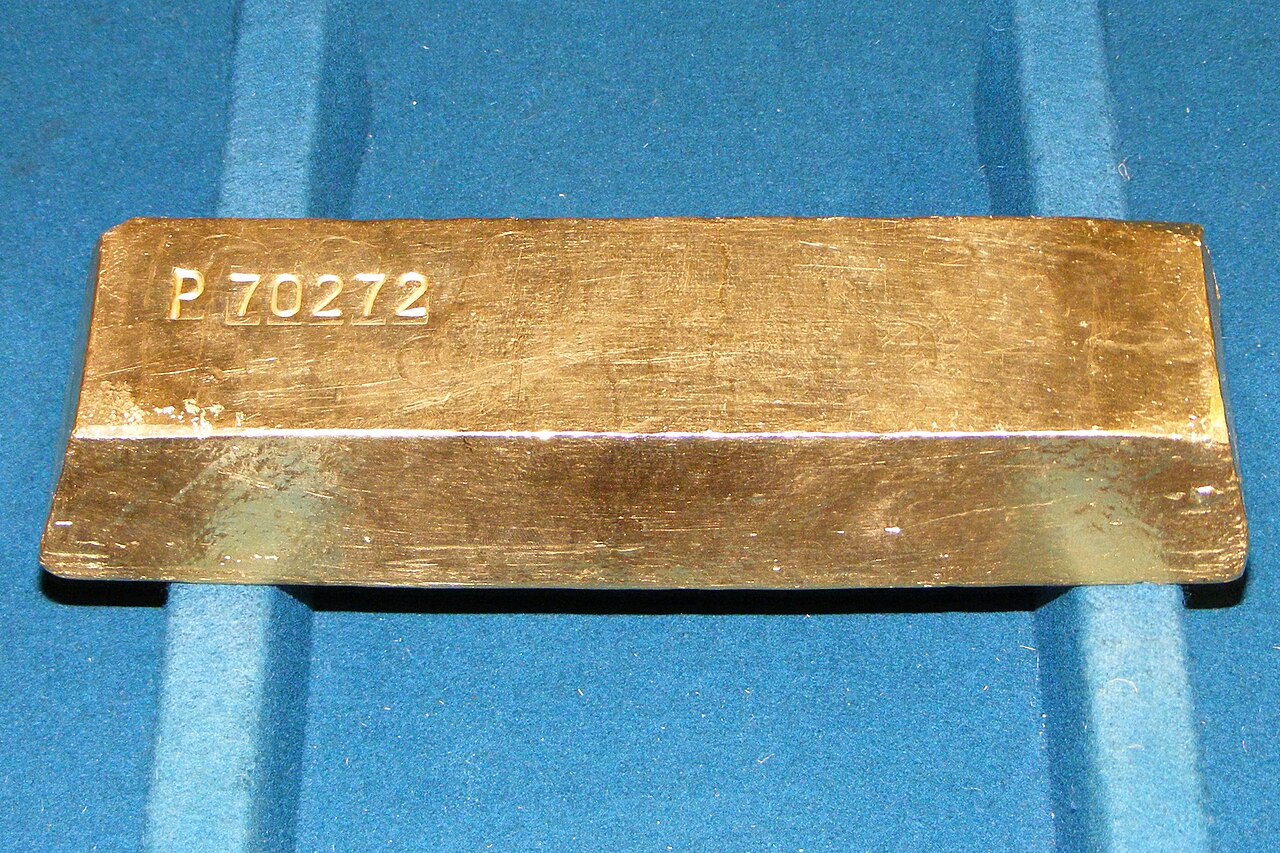
Gold prices reached new record highs of more than $5,000 per ounce earlier this year as U.S. inflation climbed at 3.3% in March, the fastest pace in nearly two years. A global energy shock tied to the conflict in Iran pushed consumer prices higher during the month.
Historically, gold has been viewed as a safe haven during uncertain economic periods and has performed well when inflation erodes the value of paper currency. When each dollar buys less, tangible assets like gold tend to hold or increase in value.
In recent years, gold prices have surged to record levels and then pulled back even as inflation remained elevated. Prices have experienced notable swings, reflecting both strong demand and shifting expectations.
Unlike bonds or savings accounts, gold does not generate income. When interest rates are high, investors can often find better returns in yield-bearing assets. In environments of economic uncertainty, however, investors often turn to gold as a form of financial insurance and as an inflation hedge. That demand can support prices even when higher interest rates work against them.
The Federal Reserve cut interest rates multiple times late last year and has held rates steady so far in 2026. Borrowing costs remain elevated compared with the ultra-low-rate era.
Geopolitical tensions, fluctuating energy prices and concerns about consumer debt levels are contributing to a more fragile economic outlook. Broader economic uncertainty often influences gold's trajectory more than inflation alone.
In the current environment, gold is more likely to experience short-term fluctuations rather than act as a slow, steady store of value. Gold can provide stability during periods of economic stress. Investors are increasingly combining gold with other strategies such as high-yield savings accounts, Treasury securities or diversified market exposure to balance risk and return.


forum Comments (0)
No comments yet. Be the first to comment.