Relevance: primary · Type: background
Confidence100%
The Lyrids meteor shower began to appear as early as April 14, 2026.
Relevance: primary · Type: event
Confidence100%
The Lyrids meteor shower’s activity peaks between the night of April 21 and the early morning of April 22, 2026.
Relevance: primary · Type: event
Confidence100%
During the peak hours, the Lyrids meteor shower will produce 15 to 20 meteors per hour under dark skies.
Relevance: primary · Type: event
Confidence100%
Under ideal conditions, the Lyrids meteor shower can produce 10 to 15 meteors per hour.
Relevance: primary · Type: background
Confidence100%
The Lyrids meteor shower is visible to the naked eye in the Northern Hemisphere, weather permitting.
Relevance: primary · Type: background
Confidence100%
The radiant of the Lyrids meteor shower appears to emerge from the constellation Lyra.
Relevance: primary · Type: background
Confidence100%
The radiant of the Lyrids meteor shower is located near Vega, the fifth brightest star in the night sky.
Relevance: primary · Type: background
Confidence100%
It takes 20 to 30 minutes for the human eye to adjust to darkness.
Relevance: primary · Type: background
Confidence100%
The moon will be in a waxing crescent phase during the Lyrids peak.
Relevance: primary · Type: background
Confidence100%
The Lyrids meteor shower is usually visible from 10 pm to dawn, with early morning offering the best viewing conditions.
Relevance: supporting · Type: action
Confidence100%
Observers should avoid light pollution and, if possible, observe from high ground to improve visibility of the Lyrids meteor shower.
Relevance: primary · Type: background
Confidence100%
In April, Earth crosses the debris cloud left by comet C/1861 G1 (Thatcher) in its orbit around the sun.
Relevance: supporting · Type: background
Confidence100%
Comet C/1861 G1 (Thatcher) was discovered in 1861.
Relevance: supporting · Type: background
Confidence100%
Comet C/1861 G1 (Thatcher) takes about 415 years to complete its orbit around the sun.
Relevance: supporting · Type: background
Confidence100%
Comet C/1861 G1 (Thatcher) will not return to the inner solar system for roughly another 250 years.
Relevance: supporting · Type: background
Confidence100%
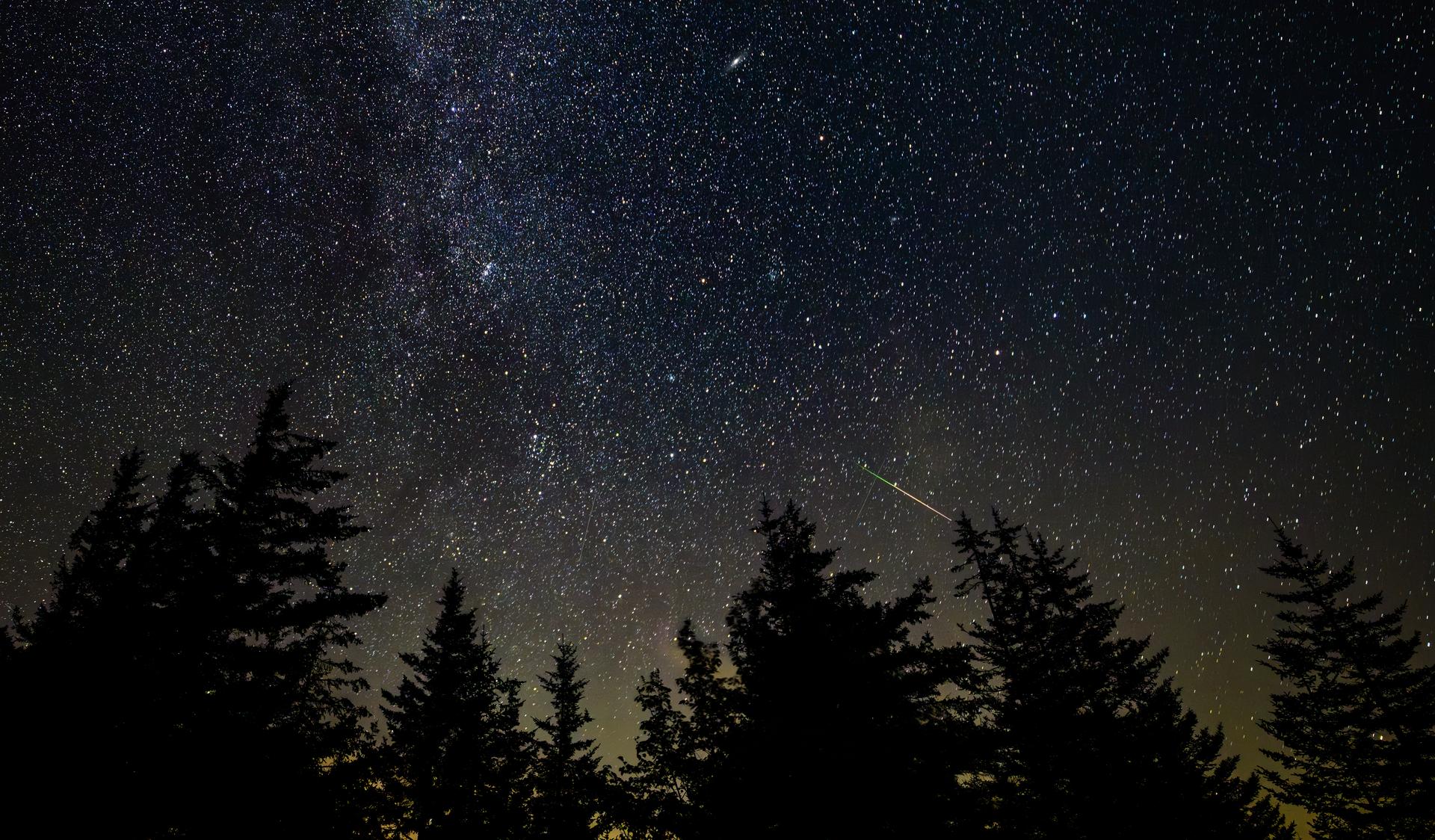
Grains of ice and rock released by comet C/1861 G1 (Thatcher) centuries ago enter Earth's atmosphere at high speed and produce the flashes known as the Lyrids meteor shower.
Relevance: supporting · Type: background
Confidence100%
The Lyrids meteor shower occurs annually from April 15 to April 29.
Relevance: supporting · Type: background
Confidence100%
Meteors may be visible all night but will be most frequent when the radiant is highest in the sky.
Relevance: supporting · Type: background
Confidence100%
The Lyrids meteor shower has been observed for around 2,700 years, with the first recorded observations by Chinese observers in 687 B.C.
Relevance: supporting · Type: background
Confidence100%
The Lyrids meteor shower typically produces 10 to 20 meteors per hour but can sometimes produce outbursts of up to 100 meteors per hour.
Relevance: supporting · Type: background
Confidence100%
The Lyrids meteor shower will continue to be active until April 30, 2026.
Relevance: supporting · Type: background
Confidence100%
The radiant point of the Lyrids meteor shower is located within the constellation Lyra, which is shaped like a joined rhombus and triangle.
Relevance: supporting · Type: background
Confidence100%
The constellation Lyra is named for a harp-like lyre played by the mythological musician Orpheus.
Relevance: supporting · Type: action
Confidence100%
NASA recommends that skygazers allow their eyes 30 minutes to adapt to darkness before observing meteor showers.
Relevance: supporting · Type: background
Confidence100%
The moon will be in a waxing crescent phase during the Lyrids peak, resulting in minimal lunar light even before midnight, according to the American Meteor Society.
Relevance: supporting · Type: background
Confidence100%
Comet Thatcher was discovered on April 5, 1861.
Relevance: supporting · Type: background
Confidence100%
Comet C/1861 G1 (Thatcher) has not been observed since its discovery and will not return for roughly another 250 years.
Relevance: supporting · Type: background
Confidence100%
The debris stream of comet C/1861 G1 (Thatcher) collides with Earth's orbit every April to create the Lyrids meteor shower.
Relevance: supporting · Type: background
Confidence100%
Shooting stars observed during the Lyrids meteor shower are the result of cometary debris burning up in Earth's atmosphere.
Relevance: supporting · Type: background
Confidence100%
Astronauts aboard the International Space Station can see the Lyrids meteor shower.



forum Comments (0)
No comments yet. Be the first to comment.