
Home equity line of credit interest rates have dropped from around 9% to about 7% over the past 18 months, and experts expect them to remain in the low-7% range through the end of 2026. The decline has coincided with last year's Federal Reserve rate cuts and recent geopolitical conflicts.
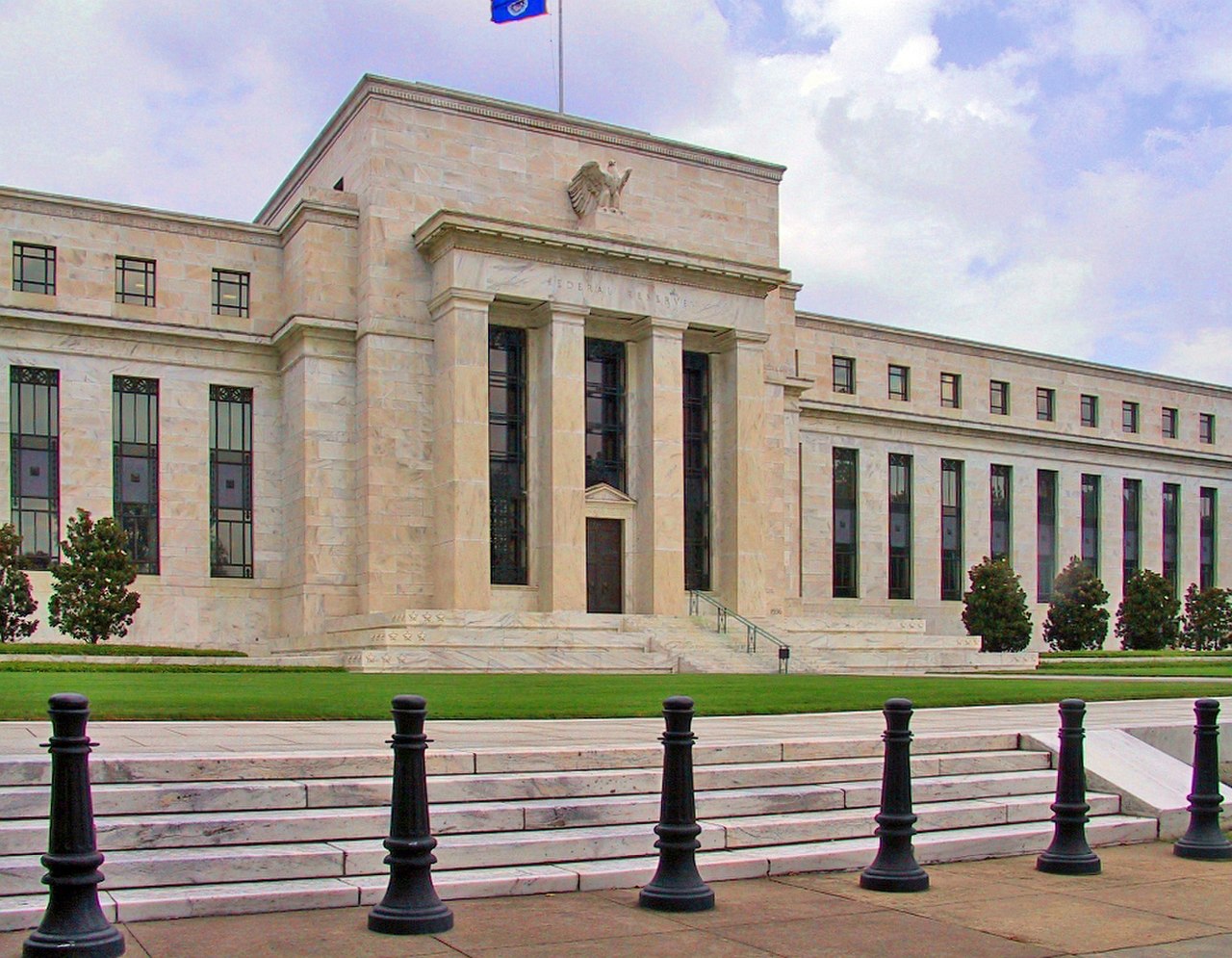
HELOC rates fell by almost half a percentage point in the first quarter of this year alone. The Federal Reserve voted to keep the federal funds rate stable at its last two meetings, and as of April 10, 2026, the CME Group FedWatch tool showed a 98.4% chance that the central bank would hold rates steady at its next meeting, which concludes on April 29, 2026. The Fed is scheduled to meet six more times this year.
"The Iran conflict seems to be spooking the market," mortgage broker Kevin Leibowitz of Grayton Mortgage said.
Nicole Rueth, senior vice president at The Rueth Team of Cross Country Mortgage, said the conditions needed for rates to move lower face obstacles. "For rates to fall meaningfully, you'd need the conflict to stabilize, inflation to cool, or the labor market to break — ultimately giving the Fed reason to cut rates. This scenario feels unlikely in the near term," she said.
Rueth also pointed to risks that could push rates higher. "We're already living the upside scenario for rates rising. The Iran conflict is a geopolitical shock, and it's putting real pressure on energy prices and inflation expectations. If that feeds through into hotter Consumer Price Index prints, the Fed's path to cutting gets narrower, and a hike becomes a genuine possibility rather than a fringe scenario," she said.
Amanda Erebia, director of retail banking at Amegy Bank, described the link between Fed policy and HELOC pricing. "Federal Reserve policy will remain the primary driver of HELOC rates, along with inflation and overall economic growth," Erebia said. "If inflation starts to rise, the Fed may increase rates to tamp it down. If inflation falls, it could cut rates to spur economic activity," she added. Erebia said rates would also likely rise if inflation reaccelerates or if economic pressures force the Fed to keep rates higher for longer.
"HELOC rates are almost always pegged to the prime rate, and the prime rate follows the Fed. Until the Fed moves, the prime rate won't move," Rueth said. Unlike HELOCs, which carry variable rates, home equity loans are lump-sum alternatives that offer fixed interest rates for the entire loan term.


forum Comments (0)
No comments yet. Be the first to comment.