
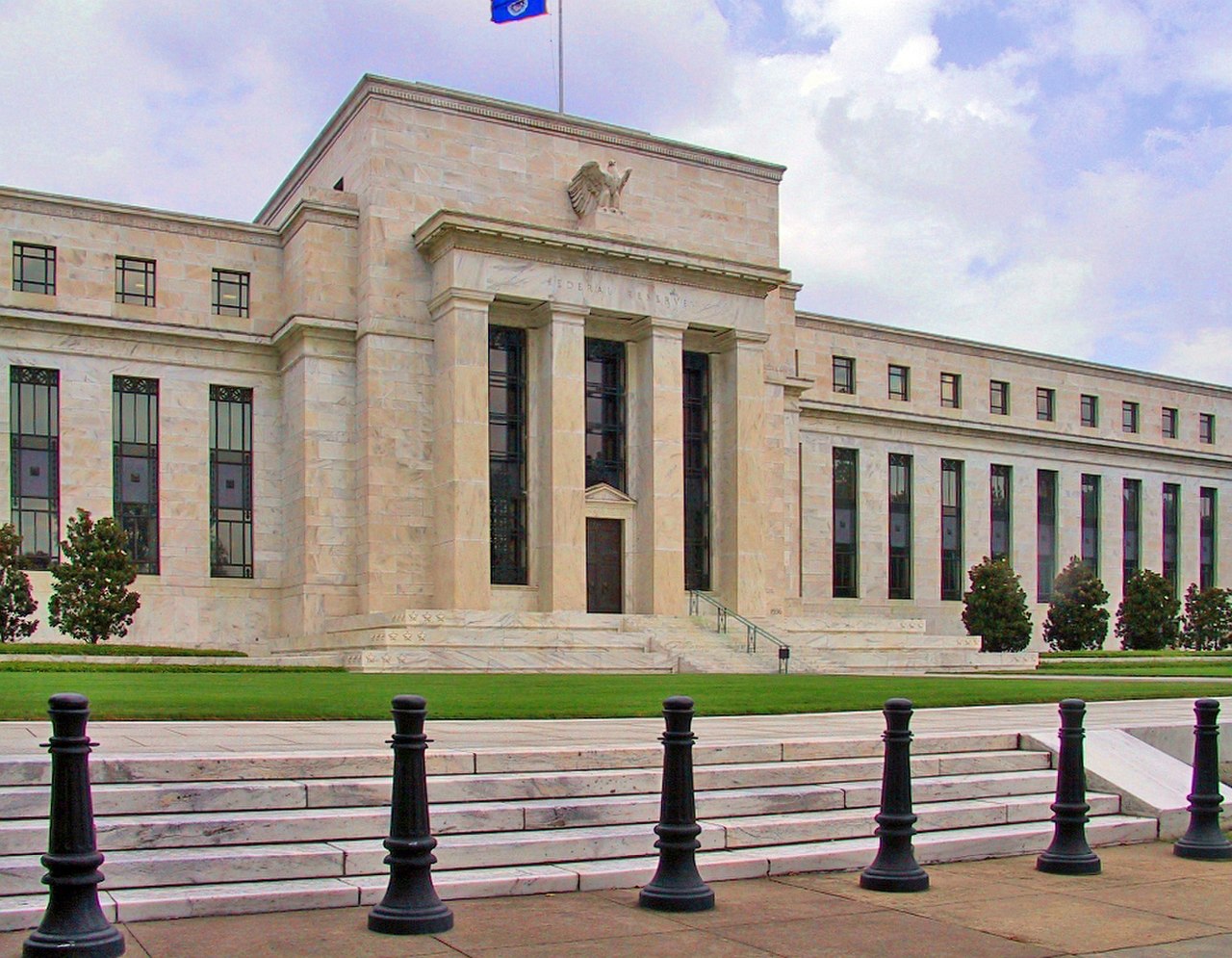
NEW YORK — Inflation rates have remained above 3% according to recent personal consumption expenditures and consumer price index data. The Federal Reserve's target rate for inflation is 2%, representing a gap of 1.5 percentage points between current levels and the official goal.
Personal consumption expenditures (PCE) is the Federal Reserve's preferred measure of inflation. The U.S. will release its report on personal consumption expenditures (PCE) for July on Wednesday, providing updated metrics on price changes across the economy.
The Conference Board will release its latest consumer confidence report on Tuesday. This survey measures household sentiment regarding current economic conditions and future expectations, offering insight into consumer spending trends.
The United States imposed a wide range of tariffs globally in 2025. These trade policies affected import costs and supply chain dynamics across multiple sectors of the domestic economy.
A war between the United States and Iran occurred in early 2026. The conflict curtailed global oil shipments from the Strait of Hormuz, disrupting energy markets and contributing to upward pressure on prices.
What's New
Additional reporting indicates that research titled "A Wall Street-Federal Reserve Experiment Creates a Monster" was published in 2000 in Wall Street Capitalism. Further context comes from research titled "CAPITALISTS, WORKERS AND WALL STREET: THE FIGHT FOR THE FEDERAL RESERVE", which was published in 2019 in The Political Economy of Central Banking.
How Sources Differ
Reports also vary in their description of the September meeting details. Primary sources state that the Federal Reserve is expected to hold its benchmark interest rate steady at its September meeting. Desk web sources state that the official record of the event states that the Federal Reserve left its key interest rate unchanged at its September 2026 meeting, with the rate staying in the 3.50%-3.75% range, according to a poll of economists. Federalreserve.gov states that the Federal Reserve scheduled a two-day meeting for September 15-16, 2026, during which it decided to keep its key interest rate unchanged.
Why It Matters
The Federal Reserve's interest rate decisions directly affect borrowing costs for households and businesses across the United States. With inflation remaining above the 2% target, the central bank faces pressure to balance price stability against economic growth concerns.
Recent geopolitical events, including the 2025 tariffs and the early 2026 conflict affecting oil shipments, have contributed to persistent inflationary pressures. The upcoming PCE and consumer confidence reports will provide critical data points for assessing whether current monetary policy remains appropriate given these external shocks.


forum Comments (0)
No comments yet. Be the first to comment.