
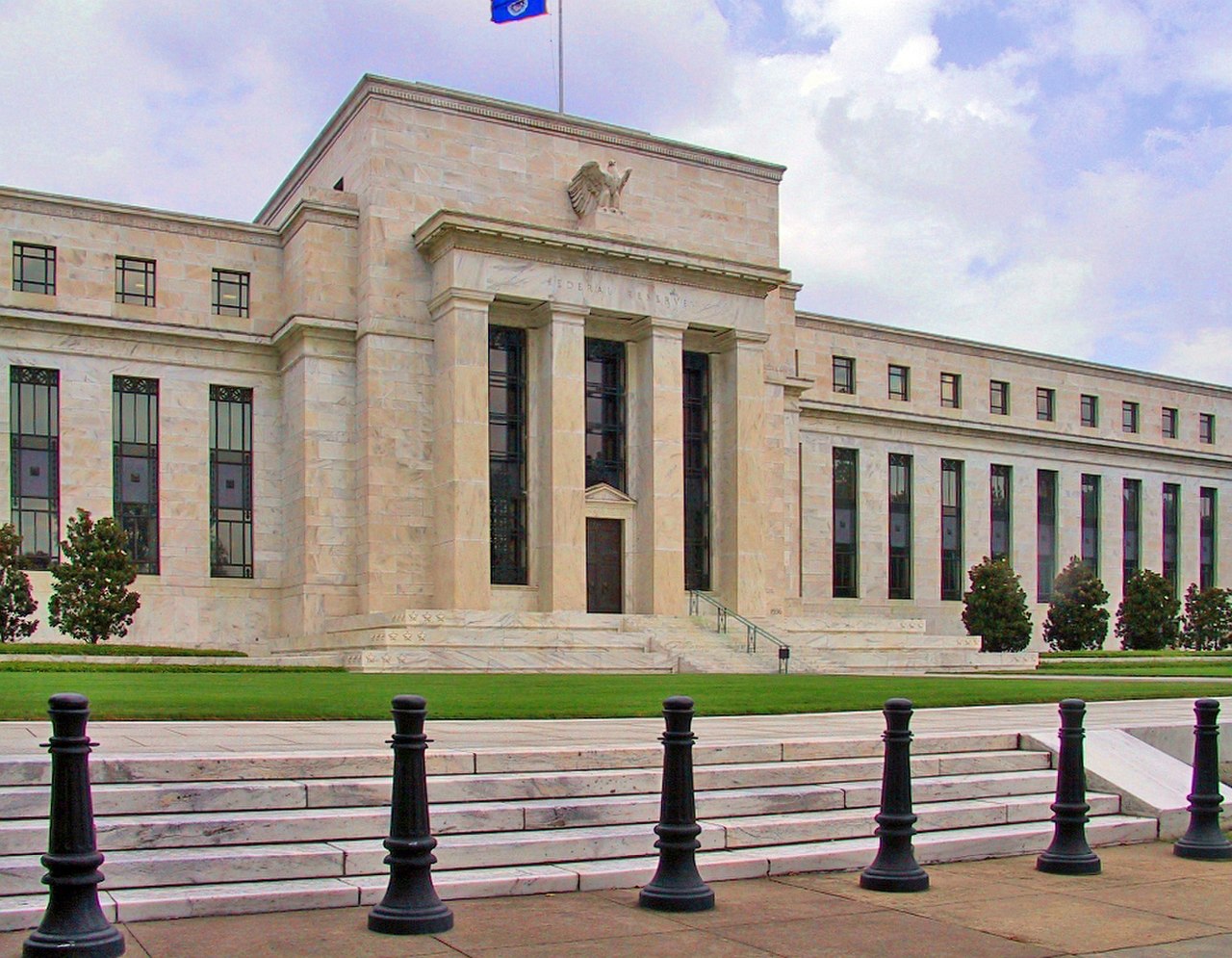
The Federal Reserve held interest rates steady in July, maintaining its current target interest rate range of 3.5-3.75%. Financial markets expect the Federal Reserve to hold rates in September, while markets anticipate one or two quarter-point interest rate increases by the middle of next year.
US inflation decreased to 3.4% last month, down from 3.5% in June and 4.2% in May. The data indicates a continued cooling trend after inflation exceeded 9% in the US in 2022.
"The key issue for me is having someone there who’s committed to long-overdue Fed reforms. This is essential for future Fed effectiveness, credibility and political independence," said Mohamed El-Erian, an economist and professor at the Wharton Business school. El-Erian supported the structural changes initiated by the new leadership.
"Warsh is getting in a bit of a mess in the way he is not giving a guide to where rates are going and also not talking about how changes in the economy will affect rates," said Charlie Bean, a professor at the London School of Economics and a former deputy governor of the BoE. Bean criticized the lack of directional clarity in the new communication framework. Nordea stated that Federal Reserve rate hikes are likely as the labor market remains strong.
Why It Matters
The removal of forward guidance and dot plots alters how markets interpret central bank intentions, creating uncertainty about rate trajectories. The involvement of 15 external experts, including former central bank governors, signals a comprehensive reevaluation of monetary policy tools and communication strategies. Initial reports from these task forces are scheduled for release by year-end, which may provide further clarity on the Fed's long-term framework.
What's New
Kevin Warsh served as a member of the Federal Reserve Board from 2006 to 2011, making him one of the youngest governors on the seven-member board at the time. Nordea stated that Federal Reserve rate hikes are likely as the labor market remains strong. Warsh’s decision to remove forward guidance from the Fed’s policy statements marks a departure from the approach taken by his predecessor, Jerome Powell, who regularly provided market guidance.
During his tenure on the Federal Reserve Board from 2006 to 2011, Warsh raised concerns about the potential for inflation if the Fed continued cutting interest rates during the 2008 financial crisis. Kevin Warsh previously worked as a vice president and executive director at Morgan Stanley from 1995 to 2002, before entering public service.
How Sources Differ
Sources differ on the details regarding the Federal Reserve and the Bank of England. One source states that the US Federal Reserve, the Bank of England, and the European Central Bank are facing challenges in managing inflation during the ongoing conflict in the Middle East. Another source notes that Mervyn King, former governor of the Bank of England, was appointed as one of the 15 external experts advising Kevin Warsh on the review of Federal Reserve operations.
Additional discrepancies exist regarding Kevin Warsh's role. One source states he has initiated a review of Federal Reserve operations with advice from 15 external experts. Another source identifies Kevin Warsh as Chairman of the Federal Reserve since 2026. A third source states that Kevin Maxwell Warsh has served as the 17th chair of the Federal Reserve and a member of the Federal Reserve Board of Governors since 2026.
Further differences appear regarding Mervyn King and the Federal Reserve. One primary source lists him among the 15 appointments to Federal Reserve subject committees. Another source notes that the Federal Reserve's new task forces, which include external experts like Mervyn King, are expected to examine the central bank's communications strategy, balance sheet, and inflation frameworks, with initial reports due by year-end.


forum Comments (0)
No comments yet. Be the first to comment.