
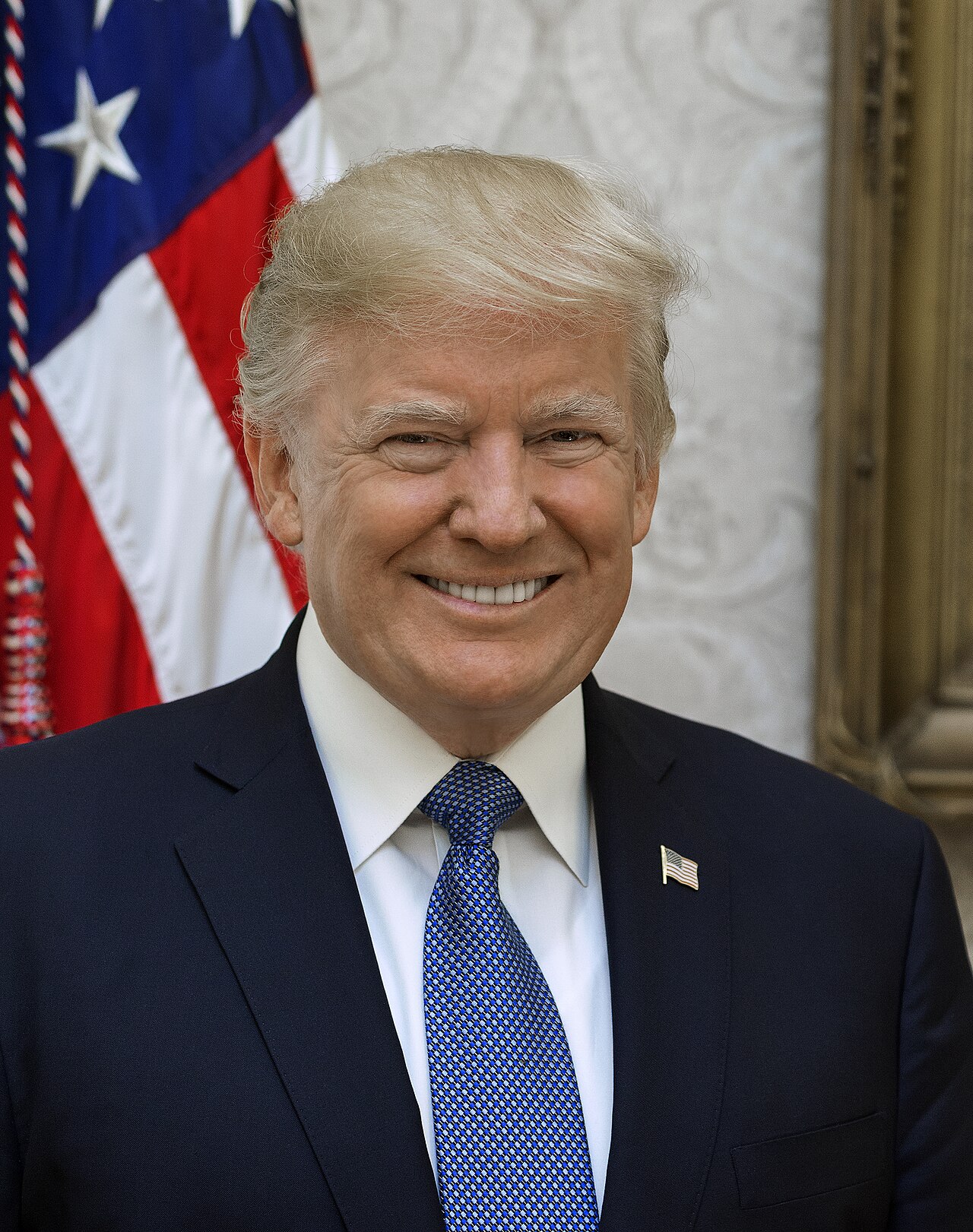
President Trump called off an intense bombing campaign against Iranian energy infrastructure after conversations with Saudi Arabia's crown prince late Saturday evening. The American-led war against Iran has entered its sixth month.
Saudi Crown Prince Mohammed bin Salman raised concerns with President Trump that Tehran could respond to U.S. escalation with attacks on the energy infrastructure of Saudi Arabia and other Gulf countries. The decision follows a series of military actions and diplomatic engagements that have defined the recent phase of the conflict.
At Camp David on Friday, President Trump stated that the Iranian Navy has been "obliterated," the Air Force has been "obliterated," and Iran has "far fewer" missiles than it had four or five months ago. He also stated on Truth Social that the emerging deal parameters include the 'Immediate, Complete, and Total OPENING OF THE HORMUZ STRAIT' and an end to Iran's nuclear threat.
The conflict has resulted in significant casualties for U.S. forces. Eighteen U.S. service members have died in the conflict, and hundreds of U.S. service members are injured or wounded in the conflict. To cover the costs of the campaign, the administration has asked Congress to approve $67 billion.
Secretary Hegseth and Chairman of the Joint Chiefs of Staff Gen. Dan Caine appeared before the Senate Appropriations Committee in late July to explain the request for $67 billion. During the hearing, Gen. Caine did not lay out the president's strategy for the war. Republican Sen. John Kennedy told Gen. Caine and Secretary Hegseth that he needed more "straight talk" and "straight answers."
Sen. Kennedy stated on July 26, "I'm having breakfast next Wednesday with General Caine." A U.S. official confirmed that a breakfast conversation about the war occurred between Sen. Kennedy and Gen. Caine. Joseph Holstead, Gen. Caine's spokesperson, stated, "The Chairman regularly meets with members of Congress from both parties; both at the members' request and as a regular part of his commitment to maintain trusting relationships with the national security partners who represent the American people and provide the Joint Force with the resources and authorities required to protect America."
Sen. he stated, "We all need to do a better job messaging. He also stated that President Trump grows anxious when he has an unexpressed thought" and "is not always disciplined in his messaging." Chief Pentagon spokesperson Sean Parnell stated, "The Department of War and U.S. Central Command has consistently provided comprehensive updates to the world on the United States' strikes and operations in Iran." Parnell added, "President Trump and Secretary Hegseth have been constantly providing updates directly to the media and the American people online, delivering clear, unfiltered insight into our objectives and decisive actions."
A Pentagon official stated that the department regularly briefs members of Congress. However, the last Pentagon press briefing for reporters and the public was held in early May. In October, Defense Secretary Pete Hegseth ordered Pentagon officials to obtain prior approval from the Defense Department's legislative affairs office before communicating with Capitol Hill. The State Department halted its daily briefings on U.S. foreign policy last year.
U.S. Central Command posts videos on X showing U.S. strikes with some information about target types, but does not provide comprehensive details on the war. Iran has implemented a media blackout, resulting in almost no footage coming out of the country. There are no U.S. ground troops for journalists to embed with in Iran.
The timeline of hostilities includes several pauses and escalations. In early April, President Trump struck a temporary ceasefire with Iran. In mid-June, the U.S. and Iran agreed to keep hostilities paused for 60 days and launch negotiations over Iran's nuclear program. President Trump declared the ceasefire "over" and ordered almost two weeks of nightly attacks after Iran struck commercial ships.
Public opinion polling reflects the duration and intensity of the engagement. A CBS News poll from late July shows that 67% of Americans want the war to end now. That is a rise from a previous figure, reaching 78%.
A CBS News poll showed that 86% of Americans want to open the Strait of Hormuz. Another poll showed that 76% of Americans want to stop Iran's nuclear programs. Additionally, a CBS News poll showed that 76% of Americans said the conflict has been harder than the Trump administration expected.
The cancellation of the bombing campaign shows the complex interplay between military objectives and regional diplomatic pressures. Saudi Crown Prince Mohammed bin Salman's intervention reflects the risk that U.S. escalation could trigger retaliatory attacks on Gulf energy infrastructure, potentially destabilizing global energy markets. The administration's request for $67 billion, with 76% of that amount indicating a substantial financial commitment, reflects the substantial financial commitment required to sustain operations.
The lack of transparent communication channels, evidenced by the halt in Pentagon press briefings since early May and the State Department's cessation of daily briefings last year, has fueled criticism from lawmakers. Sen. Kennedy's comments on messaging discipline and Rep. Mike Turner's dissatisfaction with the level of information shared with Congress point to ongoing tensions between the executive branch and legislative oversight bodies. As the war enters its sixth month, the balance between military action, diplomatic negotiation, and domestic political support remains a central challenge for the Trump administration.
Why It Matters
With more than 50,000 American troops deployed and $67 billion requested for a conflict entering its sixth month, the absence of comprehensive public briefings since May limits oversight of military strategy. While administration officials claim to provide unfiltered updates online, lawmakers have expressed dissatisfaction with the level of information shared regarding casualties and operational goals. This gap between asserted transparency and restricted access affects public understanding as polling indicates a majority of Americans want the war to end.


forum Comments (0)
No comments yet. Be the first to comment.