
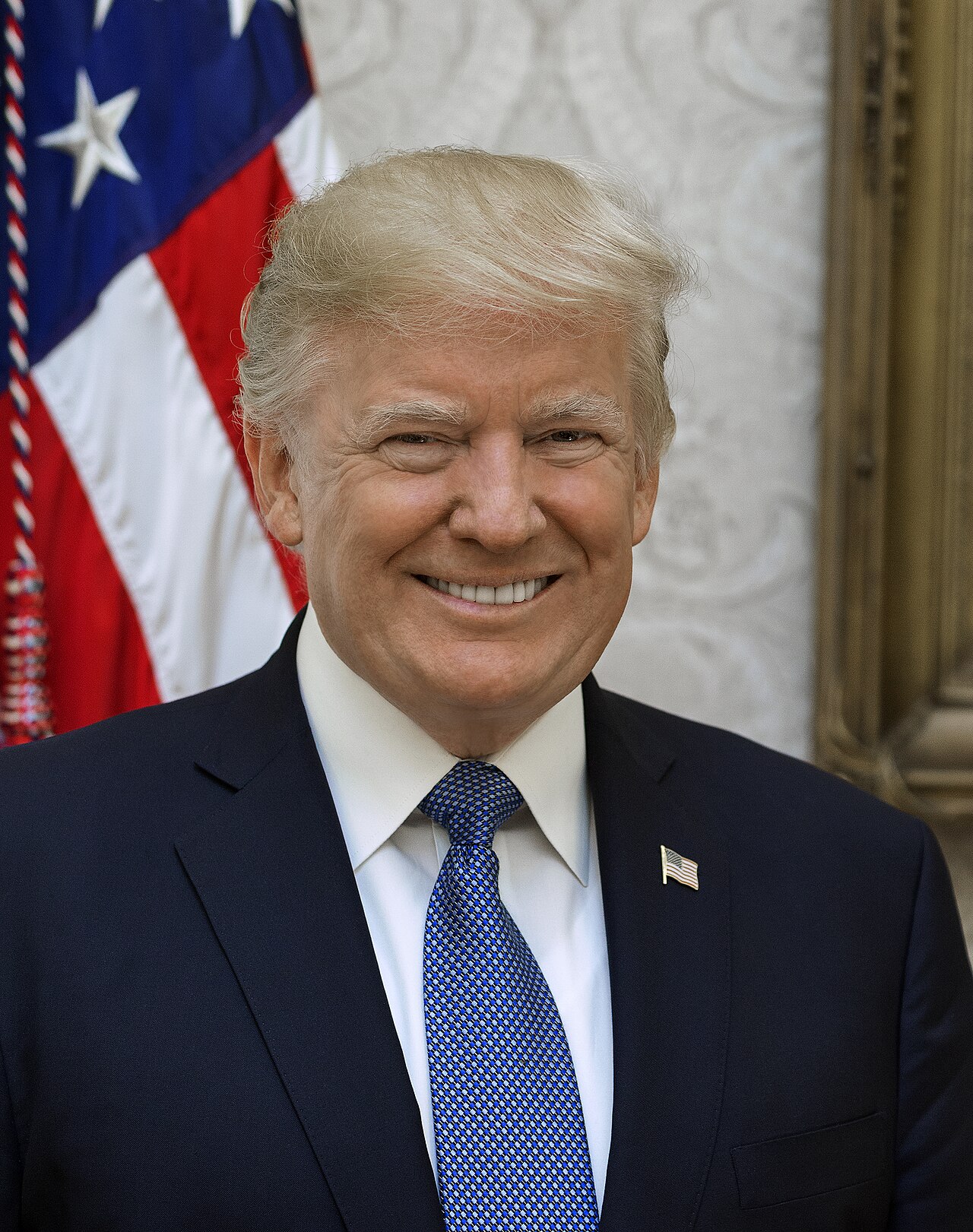
WASHINGTON — U.S. President Donald Trump stated on July 31, 2026, that the administration's campaign to dismantle the International Criminal Court was intended to defend Israeli Prime Minister Benjamin Netanyahu and other allies from prosecution, not himself. The president made the clarification during a cabinet meeting where officials outlined efforts to lobby nations to leave the tribunal and impose sanctions on its affiliated organizations.
Trump addressed concerns regarding the scope of the campaign, which includes travel bans and further measures against the ICC. "It could happen, but just so you know.. he (Rubio) is not trying to defend me. He's trying to defend Bibi and various other people," Trump said.
He added, "But there are many people that shouldn't be looked at that way. But there is no indication that I'm one of them at this moment."
"There's no information that they're after me," he said. The administration has positioned the campaign as a defense of allied leaders and U.S. interests rather than a personal protective measure for the president.
Secretary of State Marco Rubio told the cabinet meeting at Camp David that five countries had announced plans to quit the International Criminal Court since the United States launched its campaign earlier in July 2026. Rubio stated that U.S. service members were the people in the biggest danger of prosecution by the court for actions taken in war years later. He denounced the ICC, which is based in The Hague, citing calls from activists for it to investigate U.S. personnel over actions such as the deportation of migrants or strikes on boats carrying narcotics.
The Trump administration said it would lobby other countries to leave the International Criminal Court and use travel bans and further sanctions against the ICC and affiliated organizations to undermine the court. This strategy aligns with the American Service-Members' Protection Act, which gives the president power to use all means necessary and appropriate to secure the release of U.S. or allied personnel detained by the ICC. The United States has never been a member of the court.
ICC judges and U.S. advocacy groups are opposing the Trump administration's campaign against the International Criminal Court in courts, accusing the administration of violating their free speech rights. PureSource News previously reported that International Criminal Court Judges terminated a case. The events described span 24 years, from the establishment of the court in 2002 to the current political maneuvers in 2026.
The International Criminal Court was established in 2002 to prosecute war crimes, genocide, and crimes against humanity. It asserts jurisdiction only if a member state is unable or unwilling to prosecute atrocities itself. The court's statute also gives it the power to prosecute atrocity crimes committed on the territory of member states by nationals of non-member states. As an intergovernmental organization and international tribunal, its authority relies on member state cooperation, which the U.S. campaign now seeks to erode.
Donald Trump, an American businessman and politician born in 1946 who served as president from 2017 to 2021 and again since 2025, has directed executive resources toward this effort. The Department of the Treasury's Office of Foreign Assets Control has published General License 11 under the International Criminal Court-Related Sanctions Regulations, facilitating the financial pressure component of the strategy. The outcome of these legal and diplomatic challenges will determine the operational capacity of the ICC and the legal exposure of U.S. and allied personnel in future conflicts.
Why It Matters
The administration's campaign to erode the ICC's authority through sanctions and diplomatic pressure directly impacts the legal exposure of U.S. service members and allied leaders like Benjamin Netanyahu. With five nations already moving to withdraw, these efforts challenge the tribunal's capacity to prosecute atrocity crimes committed by nationals of non-member states on member territory. The outcome will determine whether the court can maintain its operational mandate established in 2002 or face diminished jurisdiction over future conflicts.


forum Comments (0)
No comments yet. Be the first to comment.