

WASHINGTON, D.C. — The U.S. Mint is producing a $1 coin featuring President Donald Trump's face to commemorate America's 250th birthday, Treasury Secretary Scott Bessent announced on the social media platform X on July 15, 2026. The commemorative coin, scheduled for release in the fall of 2026, represents a rare exception to longstanding federal practice and has already drawn legal scrutiny and political debate.
"As America commemorates 250 years of independence, the U.S. Mint will begin striking this new $1 gold coin to honor the enduring legacy of liberty and a lasting symbol of patriotism," Bessent wrote in his announcement. He added, "Featuring President Trump, it celebrates the strength of American values, and the promise of a nation dedicated to preserving freedom for all." The Treasury Department emphasized that the coin is composed of non-precious metals with a gold-like finish, not solid gold, and is intended as a collectible rather than for general circulation.
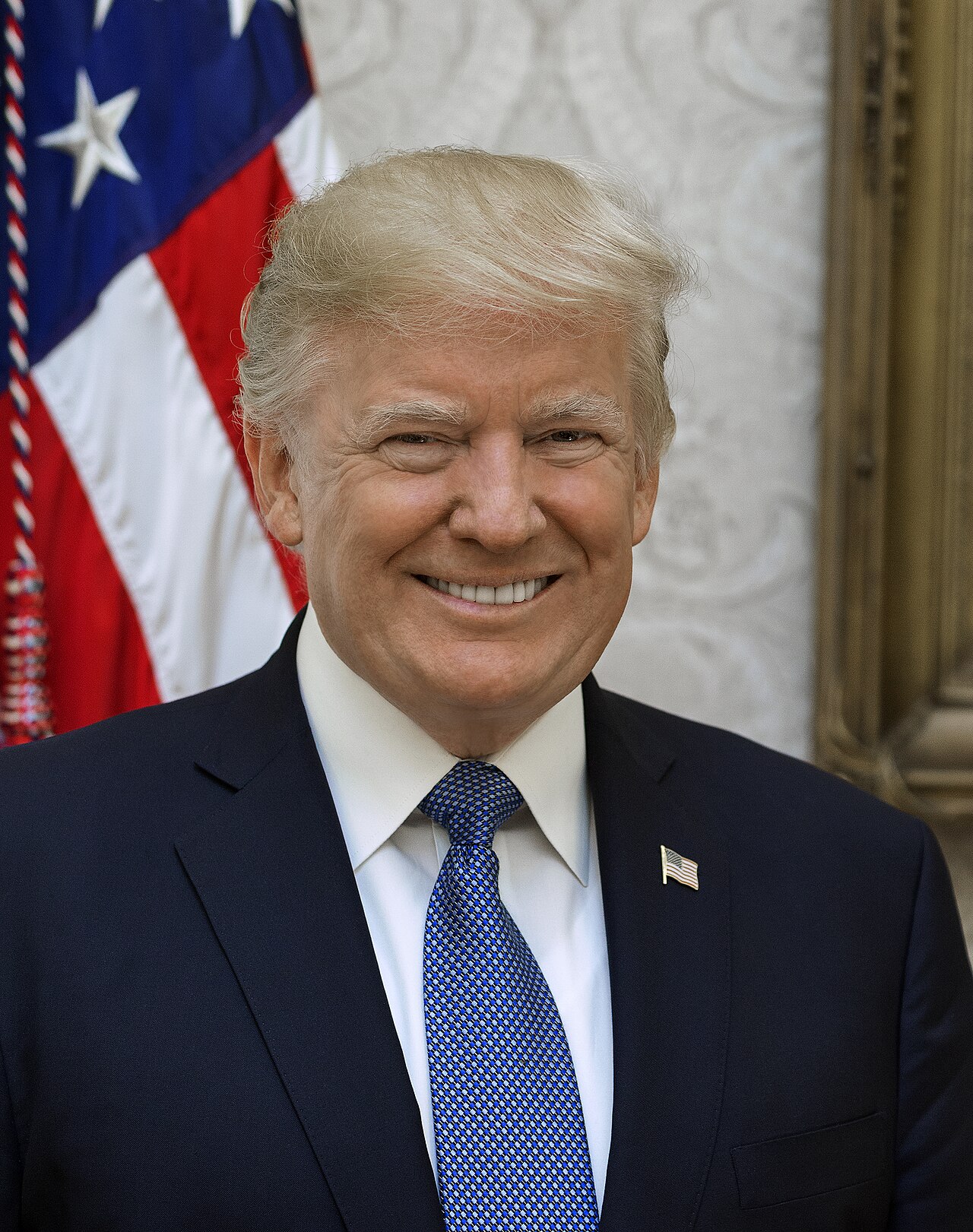
The obverse of the coin displays President Trump wearing a suit and tie, with the word "LIBERTY inscribed across the top and the dates 1776-2026 along the bottom. Positioned centrally is the national motto IN GOD WE TRUST. The reverse side features the Great Seal of the United States, including a bald eagle, along with the inscriptions UNITED STATES OF AMERICA," the number "250," and "E PLURIBUS UNUM" on the shield held by the eagle. The U.S. Commission of Fine Arts approved the final design earlier in 2026, though the unveiled version differs slightly from the one originally endorsed. The commission’s members were appointed by Donald Trump during his prior term in office.
Federal law generally prohibits depicting a living person on U.S. currency, but the Treasury Department cites the Circulating Collectible Coin Redesign Act of 2020 as legal authority for this exception. President Trump himself signed that legislation into law during his first term. The act permits commemorative coinage that honors individuals under specific circumstances tied to national anniversaries or historical milestones.
The coin announcement follows other recent changes to U.S. currency under the current administration. In March 2026, the Treasury Department announced that new paper bills would feature Donald Trump’s signature alongside that of Treasury Secretary Scott Bessent, replacing the signature of the U.S. treasurer—a practice that had been in place for approximately 165 years. The first $100 notes bearing Trump’s signature entered circulation around July 4, 2026.
That move drew criticism from lawmakers and public skepticism: an Economist/YouGov poll from April 2026 found that 59% of adults disapproved of the signature change, while 24% approved and 18% remained undecided. Senators Elizabeth Warren and Jeff Merkley formally questioned the rationale for the change in a letter to Bessent that same month, and Representative Jimmy Gomez introduced legislation to prohibit a sitting president’s signature from appearing on currency or securities.
Legal challenges have also emerged. In late March 2026, Oregon resident James Rickher filed a lawsuit in U.S. District Court seeking to block the issuance of currency bearing a sitting president's image. Rickher is representing himself in the case. His legal action specifically targets the broader policy shift, including both the signature change and the new commemorative coin.
Criticism of the $1 Trump coin was swift. Representative Thomas Massie posted on social media, "Congratulations, we’ve entered the end stages. Eliminate the penny, plug the nickel, and make some commemorative gold coins nobody can afford." He added, "I feel sorry for the folks who will be sold worthless knockoffs of this by the usual grifters." His remarks referenced the U.S. Mint’s decision to halt penny production for circulation on November 12, 2025, after years of the coin costing approximately 3.7 cents to manufacture—more than its face value.
President Trump responded to the coin announcement on Fox Business Network on July 15, stating he was honored by the tribute and describing the move as "very cute." The gesture aligns with broader symbolic initiatives tied to the semiquincentennial, though it has intensified debate over the blending of political figures with national symbols.
Earlier in 2026, the Treasury Department had considered issuing a $250 bill featuring Trump’s face. However, Bessent stated in May that such a denomination would require a change in federal law, effectively ruling it out. The $1 commemorative coin thus represents a legally permissible alternative under existing statutes.
The release of a coin bearing the image of a living, sitting president breaks with a long-standing American tradition rooted in concerns about personality cults and the separation of political leadership from enduring national symbols. While commemorative coins have occasionally honored historical figures, the inclusion of a current officeholder on legal tender—even as a collectible—tests the boundaries of established norms and statutory interpretation. The move occurs parallel changes to paper currency and reflects a broader effort to embed the current administration’s legacy into foundational elements of national identity during the 250th anniversary of U.S. independence.
The controversy also underscores ongoing tensions between executive authority, legislative oversight, and public opinion. With legal challenges pending, congressional pushback in the form of proposed legislation, and majority public disapproval of related currency changes, the coin’s rollout serves as a flashpoint in debates over the appropriate role of political figures in state symbolism. The U.S. Mint’s fall 2026 release will proceed unless blocked by judicial order, setting a precedent that could influence future commemorative programs.


forum Comments (0)
No comments yet. Be the first to comment.