
HOUSTON — Venus Aerospace secured $91 million in a Series B funding round led by Mercury Fund, with participation from Lockheed Martin Ventures.
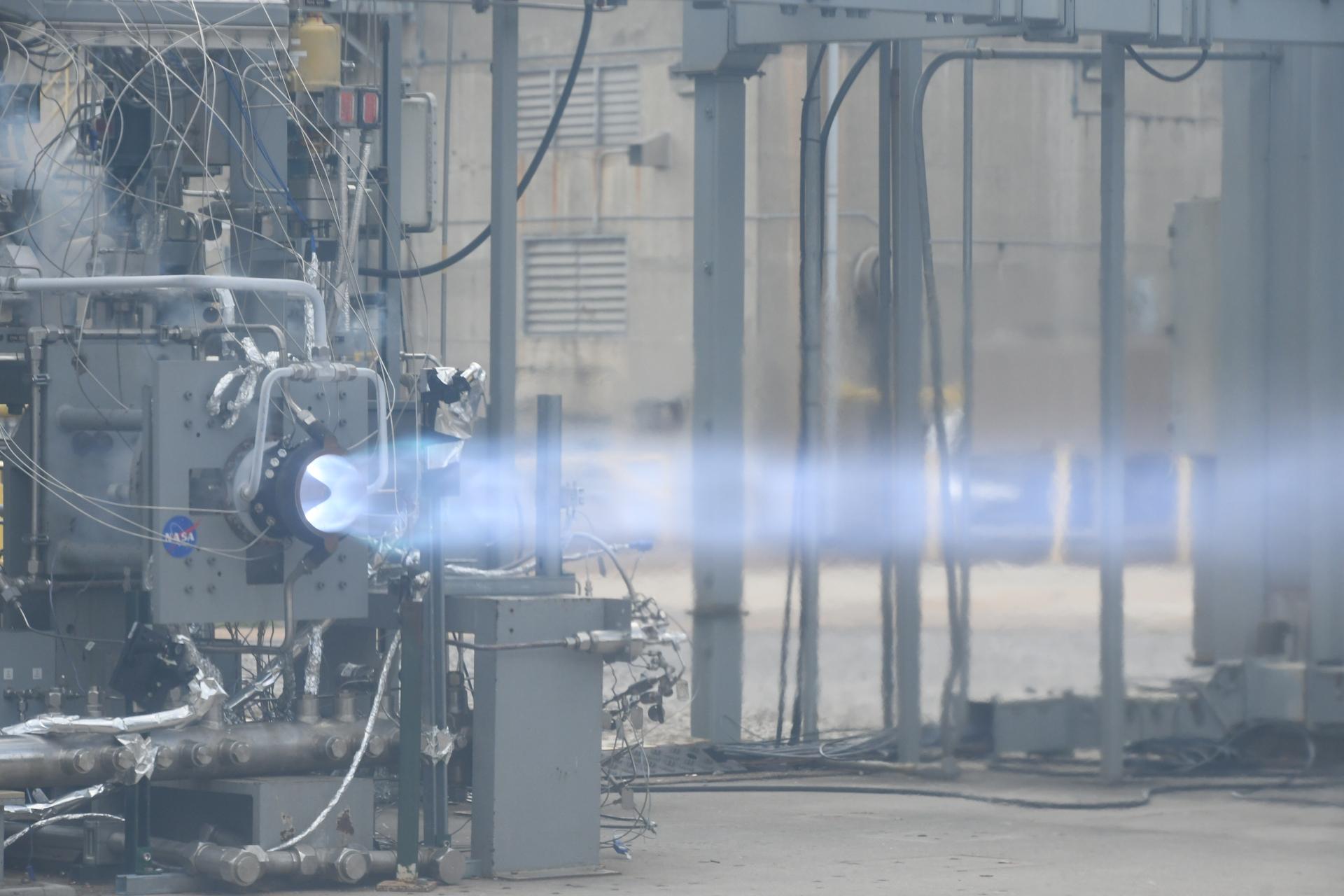
The six-year-old startup developed a rotating detonation rocket engine that uses continuous supersonic detonation waves to generate thrust. The engine employs a continuous supersonic combustion process to burn fuel and consists of 3D-printed components. It takes approximately two weeks to produce one through machining and 3D printing.
The company completed a flight test of the engine last year. Venus Aerospace stated the engine is 15 percent more efficient and travels further and faster than traditional rocket motors. Tom Barron, Chief Operating Officer for Venus Aerospace, said, "It's literally a rotating detonation wave inside the engine." He added, "The engine body itself is only three pieces."
Chris Moran, Vice President and General Manager of Lockheed Martin Ventures, described the company's progress. "Since our initial investment, Venus has progressed very quickly in its technology development," Moran said. "Our reinvestment in Venus recognizes Venus' accomplishments to date and focus on speed to manufacture, cost management and reduction of supply chain constraints." Moran also noted, "Venus is working effectively to position its propulsion system for the production scale required by defense programs."
Barron stated that the company is focused on scaling its foundation to meet commercial and government demand. He did not specify when the rotating detonation rocket engines might enter production, nor did he provide details on manufacturing targets or planned hiring figures. Barron said, "We are really focused on growing the foundation that we have to be able to scale to meet the commercial and government demand that we're going to have for this system."
Why It Matters
The $91 million Series B funding round indicates continued investment in advanced propulsion technologies for both defense and commercial space applications. The development of more efficient rocket engines could impact the capabilities and cost-effectiveness of future space launches and defense systems.
Lockheed Martin Ventures' participation and reinvestment signals an interest from defense contractors in integrating these propulsion systems into defense programs. The technology's claimed performance advantages include increased range for munitions and reduced launch costs for space.


forum Comments (0)
No comments yet. Be the first to comment.