
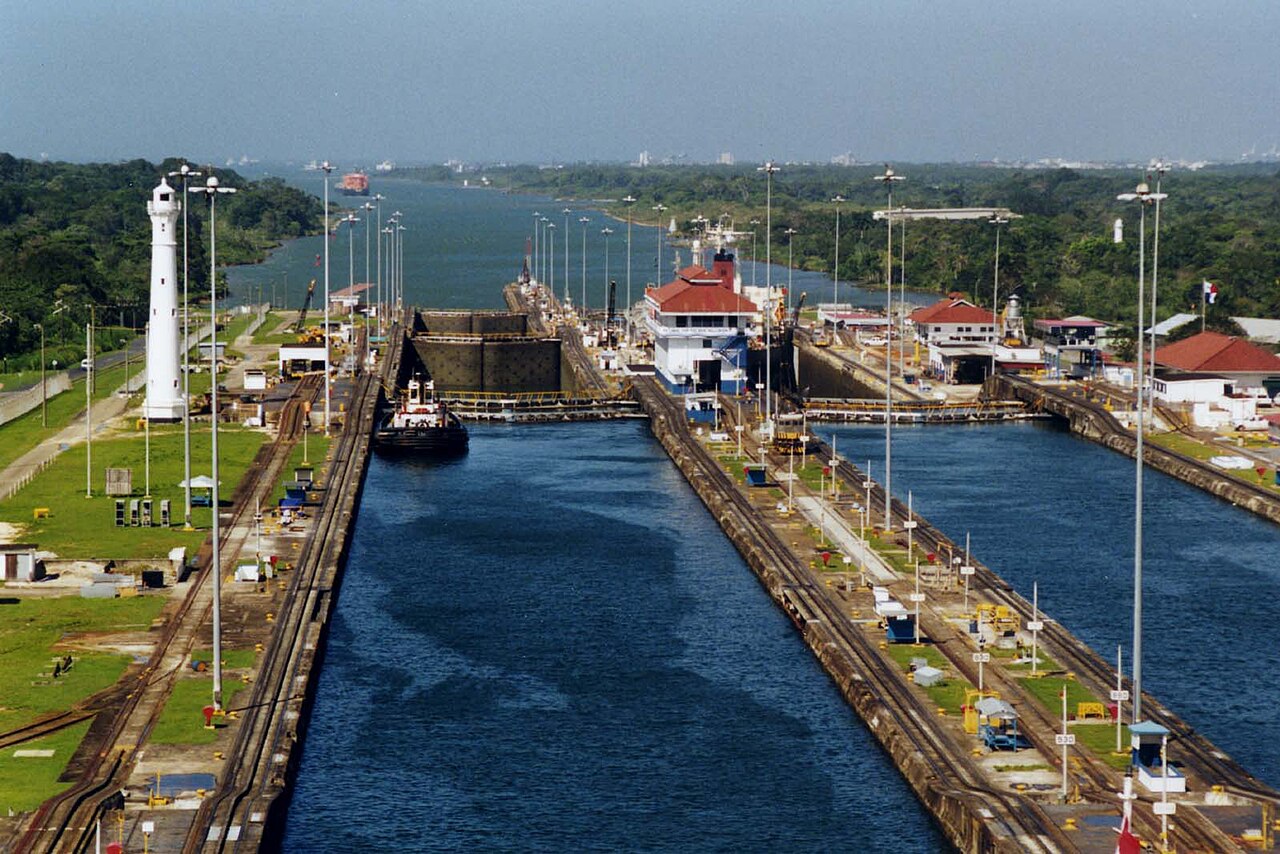
PANAMA — The Panama Canal Authority (ACP) is implementing water-saving measures in preparation for an El Niño phenomenon forecast to be strong, potentially equal to or worse than the event in 2023. These measures include scheduled reductions in vessel draft for Neopanamax vessels as the organization prepares for a possible decrease in daily transits.
On July 3, 2026, the ACP reduced the maximum draft for Neopanamax vessels from 50 feet (15.2 meters) to 49.5 feet (15.09 meters). Further reductions are planned, with the maximum draft scheduled to decrease to 49 feet (14.94 meters) on July 24, 2026, and to 48.5 feet on August 15, 2026. The authority also plans to reduce the draft to 44 feet (13.41 meters) between April and May 2027.
Ilya Espino de Marotta, the deputy administrator of the Panama Canal, said in a podcast interview, "We are balancing that number of transits with water saving measures to impact the industry as little as possible next summer, and not have to reduce the number of transits." The ACP will decide in November 2026 whether to decrease the daily number of transits. As of July 2026, daily ship transits through the canal were at 37, compared to the 24 daily transits imposed during the 2023 El Niño.
A report from the Institute of Meteorology and Hydrology of Panama, released on July 7, 2026, predicts that the El Niño phenomenon will cause a rainfall deficit of up to 55% across Panama during the second half of the year. Water levels in the Panama Canal were 17% below average in June 2026. Espino de Marotta is scheduled to assume leadership of the Panama Canal on September 5, 2026.
More than two million people in Panama consume water from the canal's lakes. The canal's expansion project cost $5.25 billion, with $300 million remaining owed as of 2026, according to the Panama Canal Authority. Espino de Marotta stated that "In these 10 years of operation, in the last two years we have had annual revenues of more than $5,000 million." She added that "More than 50% of the Panama Canal's revenues today come from the Neopanamax locks, with 25% of the number of transits." The expansion involved 90% unskilled Panamanian labor for construction, while the gates were designed in the Netherlands and manufactured in Italy, and the valves were designed and manufactured in Korea.
Why It Matters
The Panama Canal's operational adjustments directly influence global maritime trade, as the waterway is a key route for international shipping. Anticipated water shortages due to the projected strong El Niño phenomenon could lead to further restrictions on vessel sizes and transits, impacting supply chains and shipping costs. The canal also provides drinking water for a large portion of Panama's population, presenting the challenge of maintaining trade operations while managing a vital natural resource.


forum Comments (0)
No comments yet. Be the first to comment.