
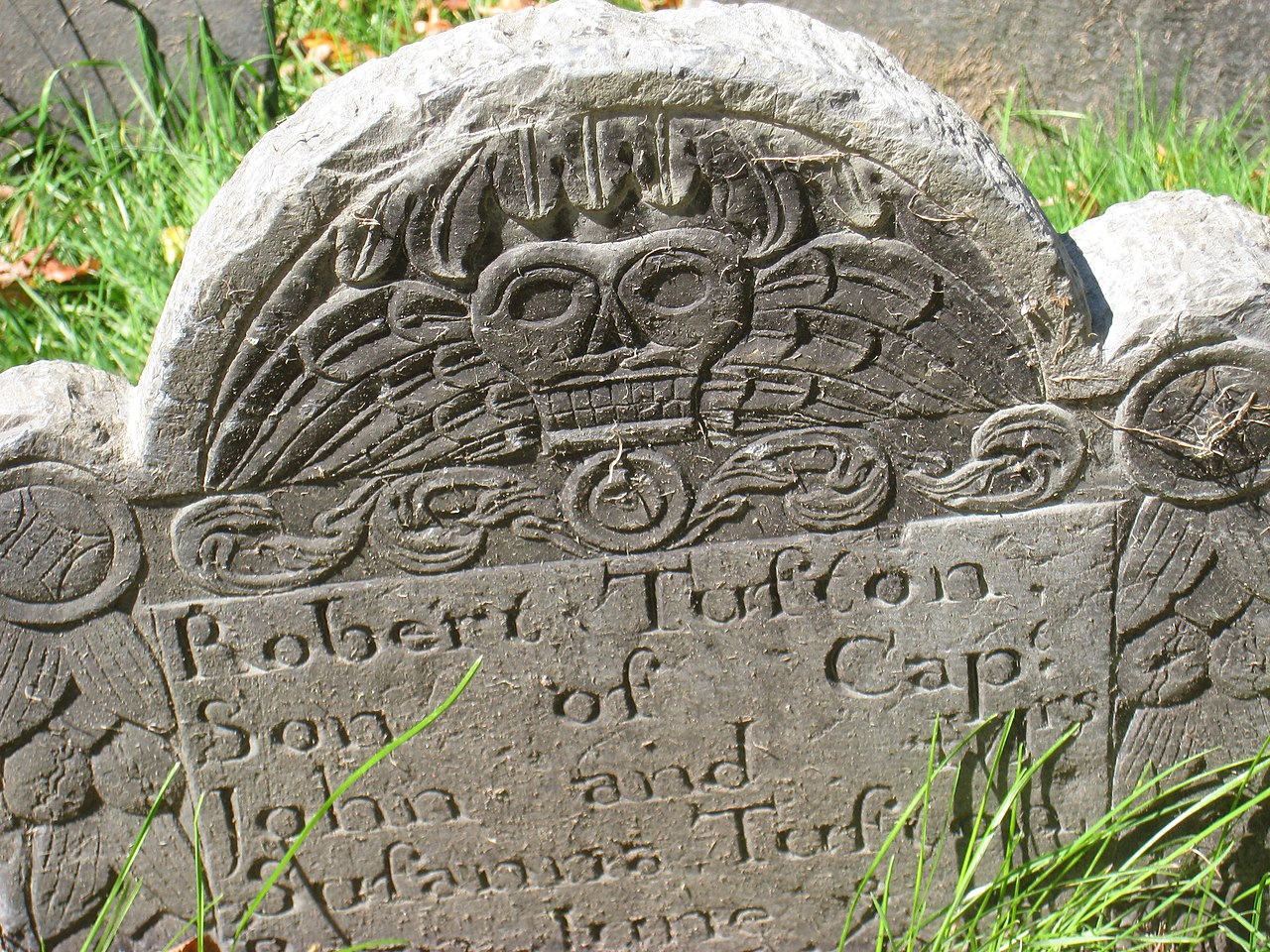
BOSTON — Conservationists identified and restored the tombstone of a formerly enslaved man named Boston, who died a free man in 1729. The discovery occurred during a restoration project at Boston's Granary Burying Ground, which was established in 1660.
Kelly Thomas, director of the Historic Burying Grounds Initiative for the Boston Parks and Recreation Department, identified the gravestone. Thomas noted that the marker had only one name. "I was reviewing the photos of headstones, and then I noticed that the stone only had one name," Thomas said. Thomas determined that Boston's enslaved name was Sebastian and that he also went by Bastian.
Boston Mayor Michelle Wu commented on the significance of the find on July 4, 2024. "That discovery is likely one of the oldest gravestones of a free Black person in America," Wu said. "It's been there all along. We just had to go look and share the story."
The tombstone bears the inscription: "HERE LYES Ye BODY OF BOSTON AGED 70 YEARS DECD FEBY Ye 28 1728." The date of death, February 28, 1728, corresponds to February 28, 1729, under the modern Gregorian calendar. The marker features a death's head symbol, depicting a stylized skull with wings.
Historian Gloria Whiting wrote in a 2016 study that Boston and his wife, Jane Lake, were both enslaved. They lived in separate households while married and had their daughter baptized at First Church in Boston in 1701. Boston was likely freed in the early 18th century following the 1702 death of John Waite, who held him in slavery. A list of free Black people from 1708 included the name Boston. Whiting noted that while the federal government tries to narrow the story of America, Boston keeps expanding it.


forum Comments (0)
No comments yet. Be the first to comment.