
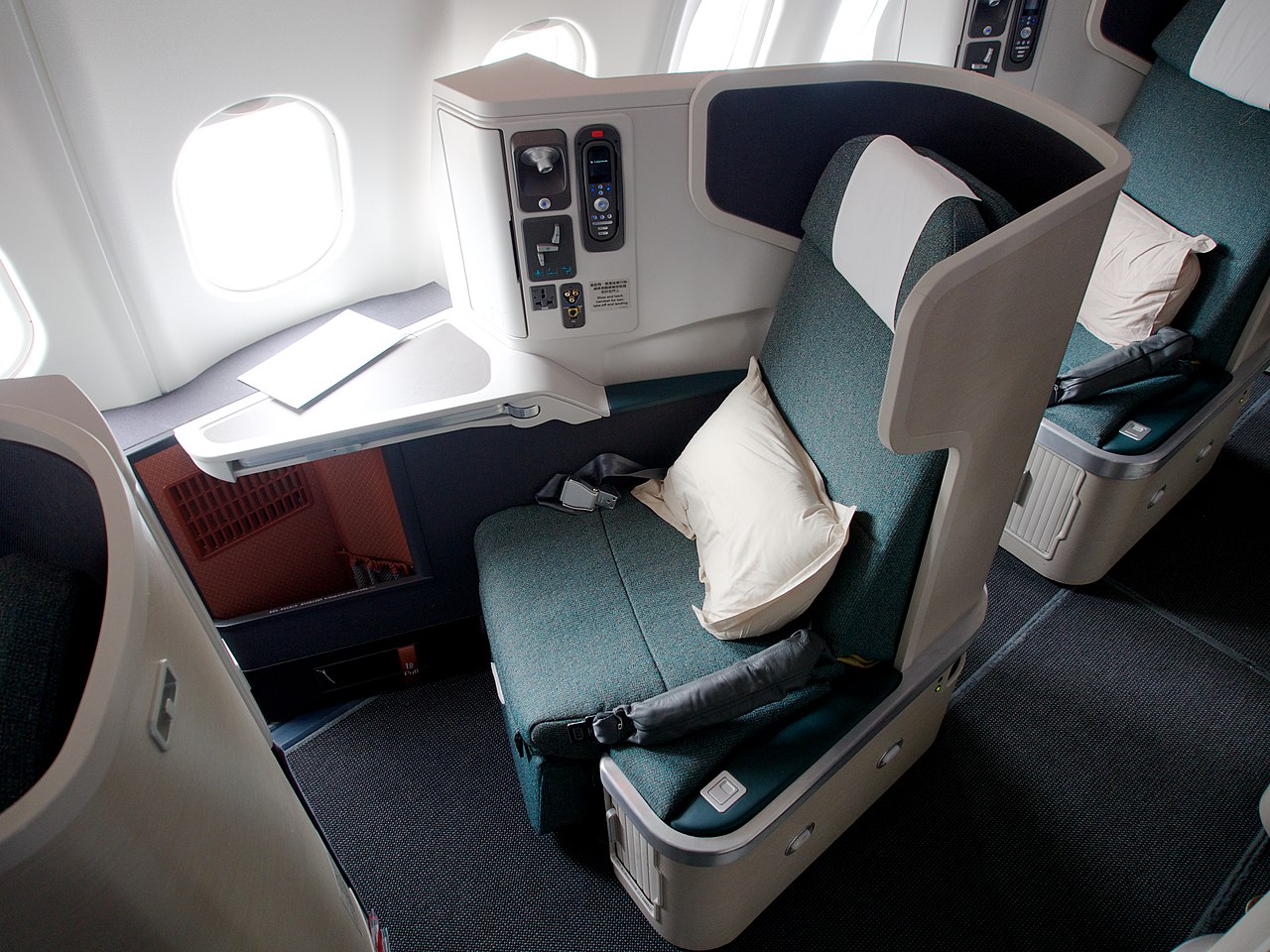
U.S. — Delta Air Lines, American Airlines, and United Airlines are reconfiguring aircraft and designing new fleets to expand premium seating. These carriers are investing billions in amenities that extend top-tier travel treatment beyond their jetliners. Since the COVID-19 pandemic, the largest U.S. airlines have increased efforts to court premium passengers willing to pay for comfort, convenience, and exclusivity.
United Airlines CEO Scott Kirby stated that the airline's premium investments are part of a broader strategy to boost the experience of every traveler. "We're investing nose to tail for all customers," Kirby said. He cited initiatives such as seatback entertainment and improvements to the airline's mobile app. Delta Air Lines began using pricing tools in the early 2010s to offer first-class seats to coach passengers willing to pay more.
An analysis by McKinsey & Company indicates that premium cabins generate a disproportionate share of airline revenue compared with the space they occupy. On heavily trafficked transatlantic routes, business-class tickets can bring in nearly as much revenue as fares and fees paid by passengers in the economy cabin. Delta's new first-class lounges include open kitchens, cocktail bars, soundproof relaxation pods, and outdoor decks. Nearly half of the cabin on Delta's next-generation Airbus A350-1000 aircraft, arriving in 2027, will be devoted to premium seating.
American Airlines redesigned its newest Boeing 787-9 Dreamliners for long-haul international flights around individual business-class compartments with sliding privacy doors. The new business-class seats are lie-flat and longer than a standard twin mattress. American Airlines also partnered with the James Beard Foundation to refresh its lounge menus. United Airlines' newest business-class cubicles include 27-inch entertainment screens, caviar service, luxury skincare products, and multi-course dining on long-haul international services. The carrier stated its revamped menus feature flavors and dishes inspired by cities across its network.
Henry Harteveldt, president of Atmosphere Research Group, said, "Travelers could and would pay for noticeably more comfort, noticeably better service, noticeably more amenities, if the price was right." Delta Air Lines CEO Ed Bastian said, "We can't win by trying to provide the cheapest. We have to be able to win by providing the best."
This shift in strategy aims to capitalize on higher-margin business and premium economy seating. Business travel collapsed during the pandemic, and video conferencing replaced many corporate trips, while leisure travelers demonstrated willingness to purchase premium seats and perks. Previously, airlines typically filled empty first-class seats by offering free upgrades to loyal frequent flyers. Glen Hauenstein, former Delta President, said, "When you think about what's different and what's changed over the last 10 or 15 years, the premium products used to be loss leaders, and now they're the highest-margin products."


forum Comments (0)
No comments yet. Be the first to comment.